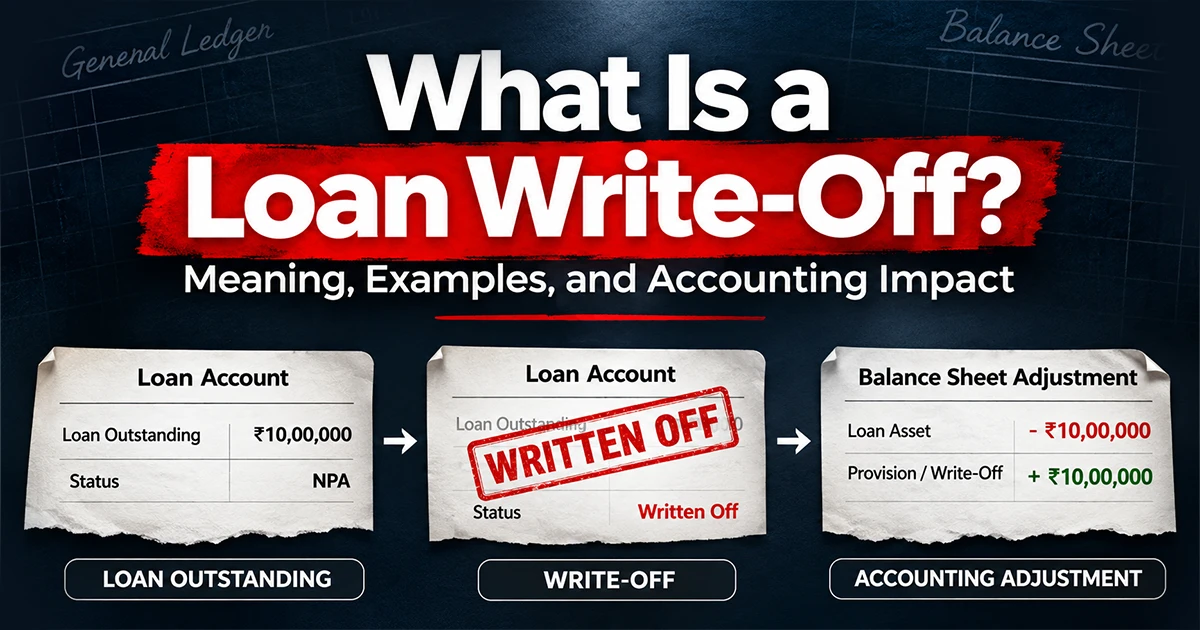

A loan write-off occurs when a lender eliminates a loan from their accounts due to the probability of repayment being low. This may typically happen due to defaulting on the loan obligation, non-payment, or financial distress, which means you are not able to pay back the loan. However, your lender has not deferred your obligation to repay the debt—that is, the lender may continue to seek repayment and/or pursue you to recover their debt through the court system or through a collection agency that the lender has engaged.
The borrower's penalty is typically damage to their credit score, getting rejected for another loan, and other psychological or financial stress that arises from the default and/or pending collection activity. For the lender, a write-off decreases their total assets, reduces their profit, and requires reporting to their regulatory authorities, but it also helps the lender maintain accurate financial statements.
A loan write-off is different from loan forgiveness, which erases debt obligations altogether. The lender might offer to restructure the loan or complete a settlement; however, the borrower needs to recognise that the write-off is an accounting event, not an event that cancels the debt obligation.
Many borrowers mistakenly equate the term 'loan write-off' with their loan being forgiven. In reality, a loan write-off is just a simple update to the lender's accounting records. In instances when a borrower cannot repay a loan after repeated defaults, financial hardship, or repayment terms taking place for quite a while, the lender may write off the loan as bad debt and remove the loan ties from their books.
The loan write-off allows lenders to have accurate financial records while also fulfilling industry requirements for record-keeping. Regardless of the accounting record, this is not an exception to the borrower's obligation to repay the lender, and collection activity can and may still occur on the loan after the loan is charged off.
Loan write-offs may also occur on more or less every type of loan – personal loans, credit cards, and other various types of borrowing activity. Understanding the potential effects of a loan write-off on both the borrower and lender also helps in educating the parties on future effects and/or methods of mitigating exposure for both parties in the future.
A loan write-off is a process where a lender chooses to write off a loan on his/her books, usually because the borrower has no longer paid the loan, and this has been, in most cases, because of non-payment, hardship or loan default. However, what does it mean to both the lender and the borrower? What do these long-term implications mean to the borrower, particularly his credit score and financial health? This paper will define what loan write-off entails, discuss examples, and examine the repercussions on those concerned.
A loan write-off is an accounting process that is adopted by a lender in instances where they ascertain that a loan is not repaid in full. The debt is physically accountable to a borrower, and even when the debt is removed from the balance sheet of the lender, it is not done automatically; the borrower is thus liable to repay the whole amount of debt. The write-off is basically an indication that the loan cannot be recovered, and the lender counts the loan as a loss on their financial accounts.
Important Fact: Write-off may not take away the debts of the lender on the books of the lender, but it does not imply that the loan borrower no longer has to repay the loan. They remain subject to repayment of the loan, and the lender has the option to keep trying to recover the loan either by means of legal action or collection agencies.
The lenders tend to write off loans as soon as they decide that the chances of recovery are very minimal. Certain reasons leading to loan write-offs are:
In case a borrower has failed to make their consecutive payments or defaults on the loan terms, the lender might make a decision to write off the loan after unsuccessful attempts at pleading with the borrower to make the payments. In India, a loan can be written off 180 days after failure to receive payment.
There are instances where borrowers are in dire need of money because of certain factors such as loss of jobs, disease or slowdowns in the economy. When the borrower fails to repay the debt and the lender feels that he will never recover it in the near future, the loan could be written off.
This may occur when a borrower just fails to make payments or flouts the efforts of the lender to recover. The loan may be written off in case the lender feels that he or she may not manage to recover the debt despite having tried several times.
Bad debt loans are those that have no probability of recovery at all. When a lender starts to have a loan for which the borrower has not paid or maintained any channels of communication, then the lender may qualify the loan as bad debt and write it off.
To get a clearer picture of how a loan write-off works, I would like to consider a few examples:
Imagine you borrowed 1,00,000 in the form of a personal loan from a bank, and after a few months of repayment, you lost a job. After a few months of no payments being made, and there is no real chance of making the payments, the bank could include the loan as bad debt and make it a write-off. When the bank will not charge the loan against their balance sheet, you are legally obligated to pay back the 100,000, and even if the bank can still proceed to collect the debt or even sue you to repay the loan.
In cases where a borrower becomes late for paying credit card Debt over a period of over 180 days and the bank cannot recover the balance, the bank may write off the loan balance. Nevertheless, the borrower remains liable for the debt, and the activities of collection agencies are possible. The decline in the borrower's credit score will also be affected by this write-off.
Written off a loan may be disastrous to the borrower. Some of the most important effects include:
A loan write-off has a terrible impact on your credit score, which is one of the immediate consequences of it. The written-off will be reported to credit bureaus, and this may remain on your credit report for many years. Having a bad credit history complicates the ability to acquire new credit, borrow, and even rent an apartment, as the majority of landlords require good credit ratings.
Although the loan is written off, the borrower still has a legal responsibility to repay the loan. The lender can make the sale to a collection agency or even put the loan in the law court. It may lead to garnished wages, taking of assets or other legal actions.
Having an amount on the credit record that was written off, it is difficult to secure loans and credit cards in future. Lenders would consider you a risky borrower, and they will reject your loan applications or give loans to you at an increased interest rate.
Long-term financial implications of a loan write-off also may lead to emotional problems. The debt recovery efforts, the lawsuits or even embarrassment in social life can be experienced by the borrower. Moreover, their credit standing and financial security might be recreated in a matter of years.
Although a loan write-off may be mixed up with loan forgiveness, one is different.
Loan Write-Off: As discussed above, it is an accounting practice that is done when a lender considers a loan uncollectible. The borrower is, however, under an obligation to the debt and can still be pursued.
Loan Forgiveness: This is a term that is used to represent the cancellation of a loan, typically under certain conditions. Otherwise, by way of example, student loans or government-backed loans can be cancelled after a number of years of payments, or when there is some type of hardship. In such instances, the borrower no longer has a duty to repay the loan.
Despite the fact that a loan has been written off, the loan debtor still has to contend with the financial and legal consequences. The lenders may start even more intense measures to recover the debt, either by means of collection companies, bargaining or by means of litigation against a borrower.
Nevertheless, the lender can also give other options to total loan write-off, which include:
This includes changing the conditions of the loan, such as the loan repayment time to be longer, or the interest rate can be lowered so that the borrower can repay it easily.
When a borrower has agreements with the lender, he/she can agree to pay a lesser amount to settle the debt. This may occur within the course of a loan write-off, but would be subject to the willingness of the loan lender.
Financial institutions or government programs provide debt relief programs intended to enable a borrower to relieve much of his or her general debt load, usually via negotiations or a debt consolidation project.
To the lender, the write-off of a loan assists him in cleaning the outstanding bad debts off his balance sheet, and he is entitled to write off the loan as a loss for tax purposes. Nonetheless, it has an impact on their balance sheet and profitability as well, and they can be subject to regulatory scrutiny, particularly when they write off large tracts of loans.
As part of the regulations, banks in India are commonly obliged to list written-off loans. The effect of these write-offs is also on the Non-Performing Asset (NPA) ratio of the bank, which is a measure of the health of a bank. An increase in the NPA ratio may result in decreased lending ability, which influences the general business activities.
Loan write-offs form a very vital aspect of financial accounting, particularly to banks and other financial institutions. On an unassailable loan, the loan is written off the books to adhere to the actual financial standing of the business. The purpose of this write-off process is to keep records straight in terms of the financial statements of an organisation so that assets and liabilities are recorded properly.
Businesses subject to a particular accounting treatment are the ones whose loan turns uncollectible. Rather than retaining the loan as an asset on the balance sheet, the institution transfers the value out of the accounts, which the institution will take into consideration as a non-recovery of the loan.
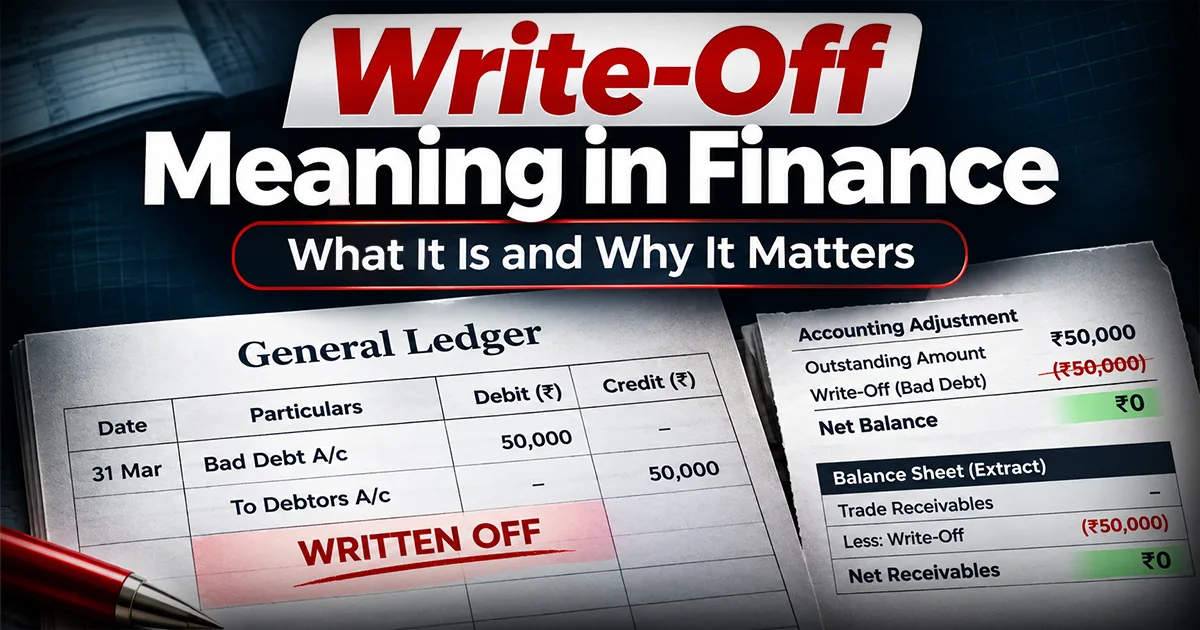
The write-off process is used to debit the Loan Loss Reserve and credit the Loan Receivable account. This causes the loan to be off-balance sheet, which helps to avoid overstating assets. It is also possible that the financial institution will be able to identify the cost of the bad debt in the income statement, which has a direct impact on the profitability of the business.
Bad Debt Provision is a guesswork of what loss of loan may occur. Through investments, businesses must reserve some funds to pay loan defaults that are likely to take place. This is a provision that is made based on an expense account, with part of the income earned by the business being used to fund the expected bad debts.
Through setting a bad debt provision, financial institutions are able to reduce the effects of write-offs and would be more representative of their performance. This reserve also helps one adapt to future defaults with no serious fluctuations in profits.
A Loan Loss Reserve is a capital buffer to be utilised by financial institutions to accommodate losses incurred in the undertakings of loans that default. Such reserve is usually periodically moved around based on the prevailing determination of the soundness of the loan portfolio. In this case, as the credit risk of a group of loans emerges, the school of loans may require the institution to hike the loan loss reserve.
The purpose of the loan loss reserve is vital when it comes to the stability of the institution in relation to finances. It makes sure the level of coverage of loans being written off does not have a negative effect on the profitability of the institution. Lack of a proper loan loss reserve could put the institution in a tight financial situation, and this will subject it to a possible regulatory control or even bankruptcy in the worst-case scenario.
The effect of loan write-offs on financial statements is huge, more so on the balance sheet, income statement, and cash flow statement.
A loan write-off decreases the total assets of the business on the balance sheet. The Loan Receivable account is debited because the particular loan was written off. This change will take care of the balance sheet, giving a true and fair picture of the financial position of an institution.
Also, the Loan Loss Reserve that has already been built up is modified to indicate the write-off. It affects the assets and the equity portion of the balance sheet.
In the situation of a loan being written off, the cost is normally taken into consideration in the income statement as Bad Debt Expense. This leads to a decrease in the net income. The cost limits the profitability of the institution, which may be a problem in case the write-offs are high or at a high rate. This is an area that is well observed by the financial analysts because high loan write-offs may indicate credit mismanagement or economic difficulties.
There is no direct effect on the cash flow statement of loan write-offs since they are not cash transactions. Bad debt expense and the corresponding rise in the Loan Loss Reserve may, however, have an indirect impact on operating cash flow. In case of huge allowances for future write-offs, it might undercut net income, and hence operating cash flow.
The financial effect of loan write-offs has a vast effect on a variety of domains of financial reporting. Loan write-offs decrease the assets on the balance sheet, augment the expenses on the income statement and indirectly affect the cash flow statements. In order to control the impact, institutions initiate loan loss reserves as well as bad debt provisions, which are used to balance the financial situation in case of defaults.
Having known how a loan write-off is accounting-treated, financial institutions will be in a better condition to anticipate possible losses, which will make their financial structure more robust and keep the accounting standards in line.
Loan write-offs are an important part of financial management, but are often incorrectly understood. For lenders, it is unavoidable for proper accounting recognition, regulatory, and tax purposes. For borrowers, a write-off is not a cancellation of the debt; it only means that the debt is removed from the lender's books. The impact on borrowers can be devastating: lower credit scores, limited future loans, and resolutions that may include legal recovery actions. Likewise, lenders are impacted by diminished profitability and higher non-performing asset (NPA) percentages. Borrowers with write-offs should consider alternative options with respect to restructuring, settlements, or debt-relief programs rather than relying upon a write-off. Ultimately, borrowers' understanding of loan write-offs leads to better financial decision-making for them and lenders to better decision-making around credit practices, to the benefit of borrowers and their business.
Que: Does a loan write-off mean my debt is cancelled?
Answer: No, the borrower still owes the money. A write-off is just a change in the books.
Que: How does a loan write-off affect borrowers?
It hurts credit scores, makes it hard to borrow money in the future, and can lead to legal consequences.
Que: Can lenders still recover the loan after a write-off?
Yes, lenders can hire collection agencies, work out a deal, or go to court.
Que: How is loan write-off different from loan forgiveness?
Answer: Writing off a debt means that the borrower no longer has to pay it back.

Founded in 2015, Ahk Tips is a New Delhi-based financial advisor specializing in debt relief and loan management solutions.