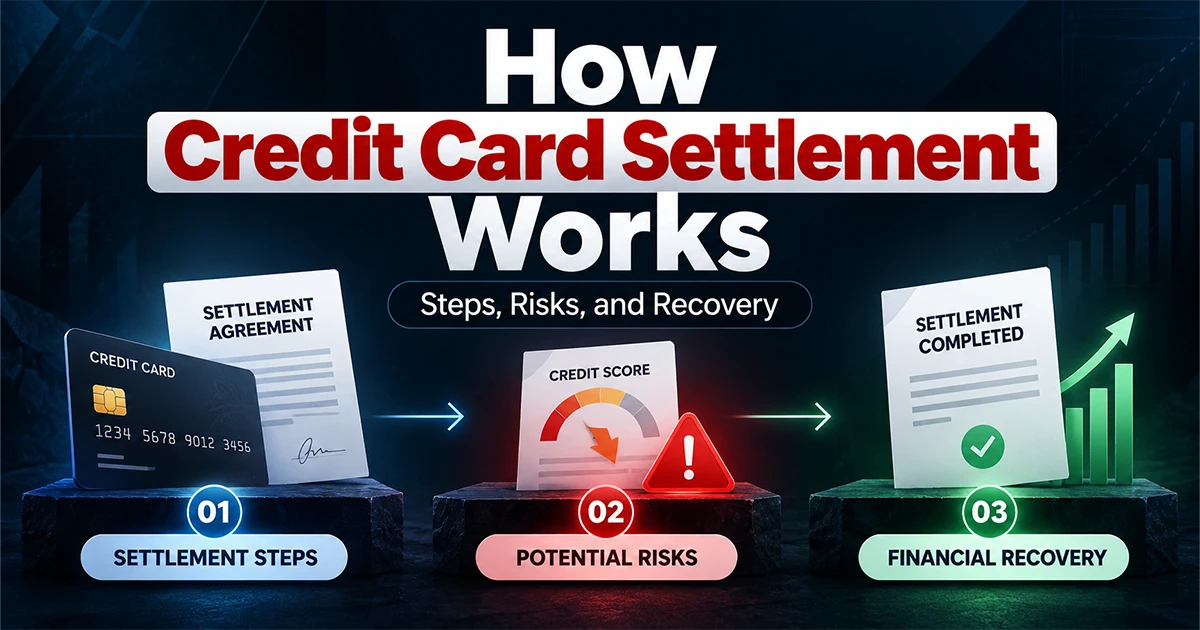
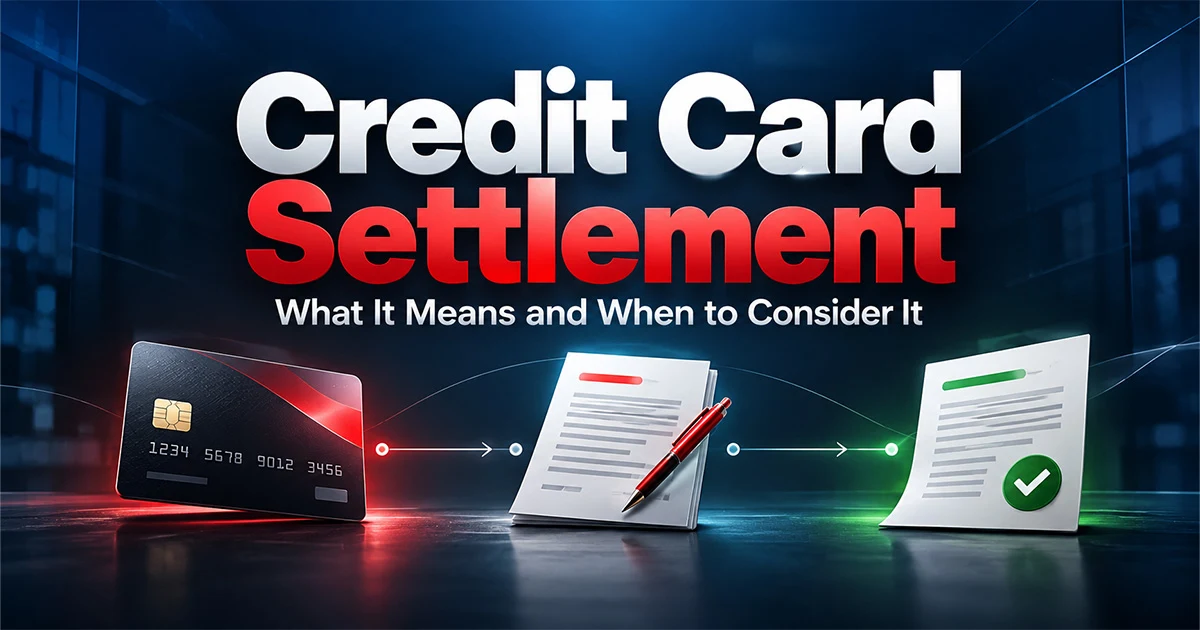

Credit card settlement means that you negotiate with the credit card company to settle your debt for less than the full amount owed. It is usually available when you cannot pay off the total debt balance because you are facing financial hardship. The process involves assessing your finances, calling the credit card company, making an offer to them to settle your account, reaching an agreement on a payment plan and closing the deal. The benefits of the process are reducing your overall debt, putting an end to collection calls, and not having to file for bankruptcy. Disadvantages of the process are the negative impact on your credit score based on the terms of settling debt, potential tax implications, and refusal of the creditors to the offer to settle. Settlement is most appropriate for consumers who are having financial difficulty, have several accounts of debt that are no longer manageable, or an escalation of collections on the account, and you can offer a lump sum to pay it off. Alone, it is not necessarily the best choice for you and your enviable situation if you will be able to pay the debt in full, or maybe consider a debt consolidation.
Credit card settlement is a legitimate option for people with credit card balances they can no longer pay. Credit card settlement allows you to talk with your credit card company and settle for a lesser amount than what you owe — either as a lump sum or potentially over a few months. Credit card settlement can act as a comfort, even financially, without going through bankruptcy, which may have more severe consequences for you. Most people consider settlement when they find themselves in situations like being laid off, having medical bills, or just some other financial problems that complicate/prevent a regular payment. A settlement may relieve you from debt stress, but there is a downside to settling, as it will decrease your credit score, and there may be tax implications. In this Guide, we will discuss how credit card settlement works, the benefits of credit card settlement, along with the drawbacks of credit card settlement, and your specific situation to consider if this is a good solution for you.
Credit card settlement is a system that enables one to pay more than they owe with less money to the credit card holder. People consider it a possible bondage reliever, particularly when one cannot make an exact payment because of an emergency. This paper will discuss credit card settlement, its operation, and why it can be an alternative to debt when one has to solve their debts.
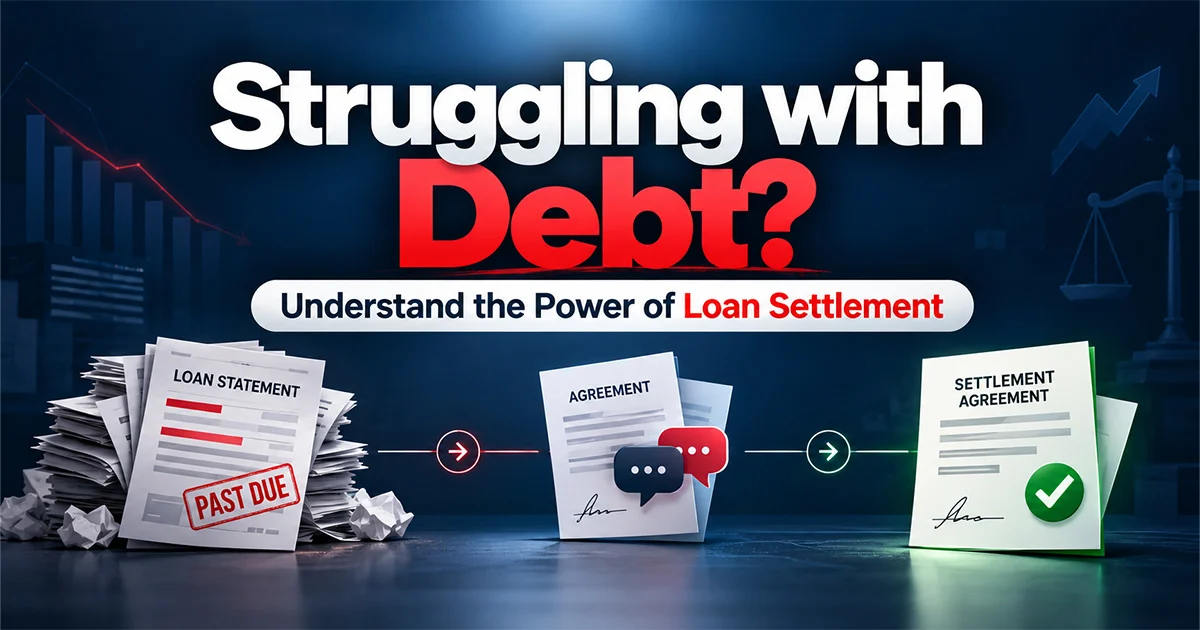
The settlement using credit cards is technically a bargaining process between you and the issuer or bank issuing your credit card to lower the amount of money you owe. A settlement gives you the chance to settle for less money, which is normally a percentage of your original debt. The rest of the sum is waived, and your debt is said to have been settled.
This form of debt settlement does not in any way resemble other forms of settling a debt, such as bankruptcy, which does not eliminate your debts. You instead negotiate with the credit card company to settle the debt at a reduced amount. It is usually thought of when one has fallen behind in payments and is struggling to pay the balance of the entire payment.
The initial process to undertake when settling a credit card is ensuring that you know your financial status. In case you are having trouble paying your credit cards, and you have trouble paying the debt, you can consider the alternative, such as a settlement. At this stage, one must see the extent of debt, the amount one can pay, and the extent of financial distress.
After gauging the financial state of affairs, the next thing to do is to contact your credit card issuer. You will have to add to them that you are also having a hard time paying and are willing to settle your debt. There are credit card companies that can provide in-house debt settlement services or negotiate a debt reduction on your part.
The settlement is all about negotiating with the creditor. Your financial condition will be required to be explained, and you will be required to offer to pay less money than what you are owed. The size of the settlement will depend on how hard you financially struggle and the period of time you have missed payments. The credit card companies can be prepared to cut the debt by a major percentage depending on the situation.
After the two parties settle on the amount of settlement, they will come up with a payment scheme. There are credit card companies that will enable you to pay the amount you have settled in instalments, and others will be in the form of a lump sum. This is aimed at making sure that you are in a position to afford to pay the agreed price without defaulting once more.
Once you have paid the agreed amount, the credit card company will technically assume that your debt was paid. They will write off your account as paid in full, and the rest will be written off. This is to say that you cannot be held liable for any more liability on the amount forgiven. Nevertheless, the settled status will likely appear on your credit report, and you can have an impact on your credit score.
Lowering the amount of debt that you owe is one of the primary benefits of credit card settlement. When you are in financial trouble and can not be in a position to clear your credit card balances, you can pay a lesser amount to get some relief.
Credit card settlement is a way to avoid declaring bankruptcy, as is seen by many. Although bankruptcy can help write off some debts, it has long-term implications for the credit record and future finances. Through credit card settlement, you can skip this extreme measure and find a way out of your debts without going to court.
When your credit card accounts are late, you will receive numerous calls from collection agencies. Payment is the easiest way to end these calls and have a sense of peace since you know that you are well on your way to solving your financial problems.
Although paying off the credit card debt is not as bad as defaulting, it will still hurt your credit score. The settlement will probably be reflected on your credit report, as settled for less than the balance, and this will not be received well by the lenders as compared to paying in full. This can complicate the credit purposes in the future.
In other instances, the debt that is forgiven can be taxable income to the IRS. This implies that in case your credit card company waives a significant percentage of your debt, then you may find yourself paying tax on that debt. One should consult a tax expert when doing a credit card settlement to get a clear picture of the tax consequences.
Not every credit card company will agree to settle in accordance with the terms and conditions that are not favourable. Also, it is usually possible to settle the debt using a credit card once the debt is incredibly late and the creditor is convinced that the payment is more convenient than the risk of non-payment.
Although credit card settlement and debt consolidation are both strategies of controlling credit card debt, they have different mechanisms.
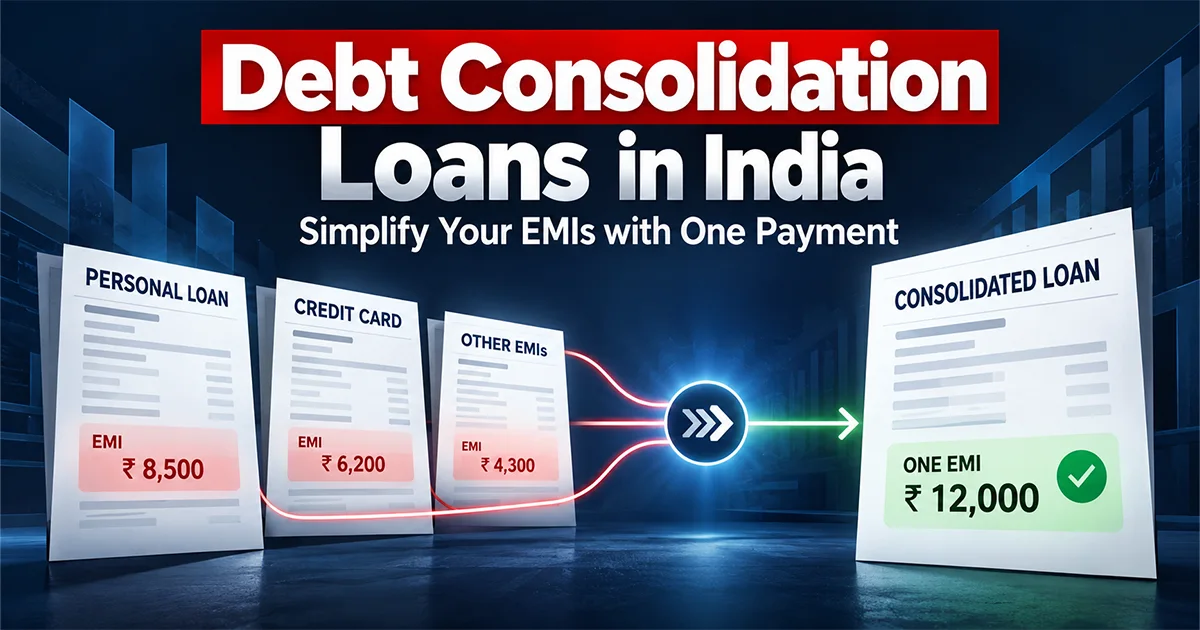
Debt consolidation involves taking a new loan so that you can clear several credit card balances. It leads to one monthly premium with a possible cheaper interest rate. It is a means of controlling the debt without decreasing the debt. Debt consolidation does not entail a negotiation of a lower overall balance, as is the case with settlement.
Credit card settlement, on the other hand, aims to minimise the entire balance in debt. This is a more serious solution, which can provide immediate relief by settling an amount less than owed to prepare a payment that can feel like a fresh start, but risks ruining the credit score, too.
Credit card settlement isn’t the best solution for everyone. It can be an experimental effort to use as a method to repay debt while some degree of financial light is shed. However, settlement cannot be researched in terms of study without considering the pros and cons via your credit score, including a tax consideration for reported forgiven debt.
Credit card settlement can be a great way to relieve your debt, but it may not be the best option for everyone. Knowing when it's a good idea to settle credit card debt can help you make the right decision to solve your credit card debt. In this post, you will learn the situations where credit card settlement could benefit you.
Credit card settlement means that you are negotiating with the entity to which you owe money, and you are only paying back a portion of the debt owed. You usually are only at this point once you are late on payment, and the creditor is willing to accept a lesser form of payment. A credit card settlement is a way of eliminating some of your debt, while there may be consequences for settling, like a lower credit score or a tax obligation if you settle the debt.
If you have gone through a loss of income from job loss, medical bills, or divorce, you may be drowning in credit card payments. In this case, credit card settlement may be a process that can help relieve your debt. If you are currently unemployed with little or no income and cannot afford monthly payments right now, a debt settlement process may allow you to settle the debt for less than you owe.
When your credit card debt has grown so large that paying it off in full seems impossible, you may want to consider credit card settlement as an option. If you are only making minimum payments on your credit cards and not decreasing your balances, a settlement may allow you to take advantage of an option to eliminate part of your debt, thus reducing the amount you have to pay back.
Increasing interest charges: High-interest rates can keep credit card balances from going down, even if you make payments. If you consider credit card settlement, that is another chance to get credit card settlement to lower your balance and begin to stop the accumulation of interest.
If you're significantly behind on payments, meaning that you are in default, credit card settlement can be a good option. If creditors have sent the account out for collection, you can settle with a creditor to avoid further collection activity, including lawsuits, wage garnishment, or future litigation.
Many creditors would prefer to settle a debt at a reduced cost than let it go unpaid. As someone in collections territory, you may be receiving phone calls and/or letters that intimidate you into paying the creditor, and settling may get you out of that situation.
If you can come up with a lump-sum payment, credit card companies may accept an amount lower than your debt. This is a perfect scenario for someone who has some savings but cannot afford to pay their full credit card balances. If you can afford a lump sum of money, you can come up with some savings (generally 30% to 50% of the balance), and creditors may agree to settle your debt number for that percentage or lower.
If you have attempted other approaches for managing debt, like debt consolidation or debt management, but they have been unsuccessful, credit card settlement may be the next best option. While consolidation and payment plans can help you reorganise your debt into new payments, settlement can help minimise the amount of debt owed.
While credit card settlement can be an effective tool for reducing debt, it may not always be a viable option. If you can afford to make the payments and aren’t behind on your debts, you may not need to settle your debts. In fact, if you are capable of paying off the debt in full, you might want to take the opportunity to pay it off completely to avoid the repercussions of a settlement on your credit score.
If you are close to being debt-free or have other options for your debts, for example, a debt management plan, you may wish to rethink your need to settle for better options.
In other words, it is important to understand your finances and explore all possibilities in determining if credit card settlement is the appropriate option for you.
Credit card settlement may seem ideal when your debt becomes excessive, and paying in full is no longer possible. Settling with the credit card company will mean you will pay only a fraction of the balance without dealing with debt collectors or bankruptcy, if you settle. Credit card settlement does come with risks. It can cause a reduction of your credit score, can undermine a future loan application, or you may owe taxes on the debt that you settle, which you will likely owe to the IRS. Settlement should be considered after other options have been exhausted, like debt consolidation or debt management. If you're considering credit card settlement seriously, evaluate the pros and cons, calculate your budget, and seek professional help if necessary. With careful planning and strategy, it can help get rid of prior debt and help build financial independence.
Q1. What is a credit card settlement?
When you settle your credit card debt, you work out a deal with your bank or card company to pay less than what you owe.
Q2. Does settlement affect my credit score?
Yes. When you classify the account as "settled," your credit score will go down compared to when you pay it off in full.
Q3. When should I consider credit card settlement?
If you can't pay because you lost your job, have medical bills, or have too much debt, and other choices haven't worked.
Q4. Do I need to pay taxes on the forgiven amount?
Yes, in some situations. It's a good idea to talk to a tax professional because the forgiven debt could be considered taxable income.

Founded in 2015, Ahk Tips is a New Delhi-based financial advisor specializing in debt relief and loan management solutions.