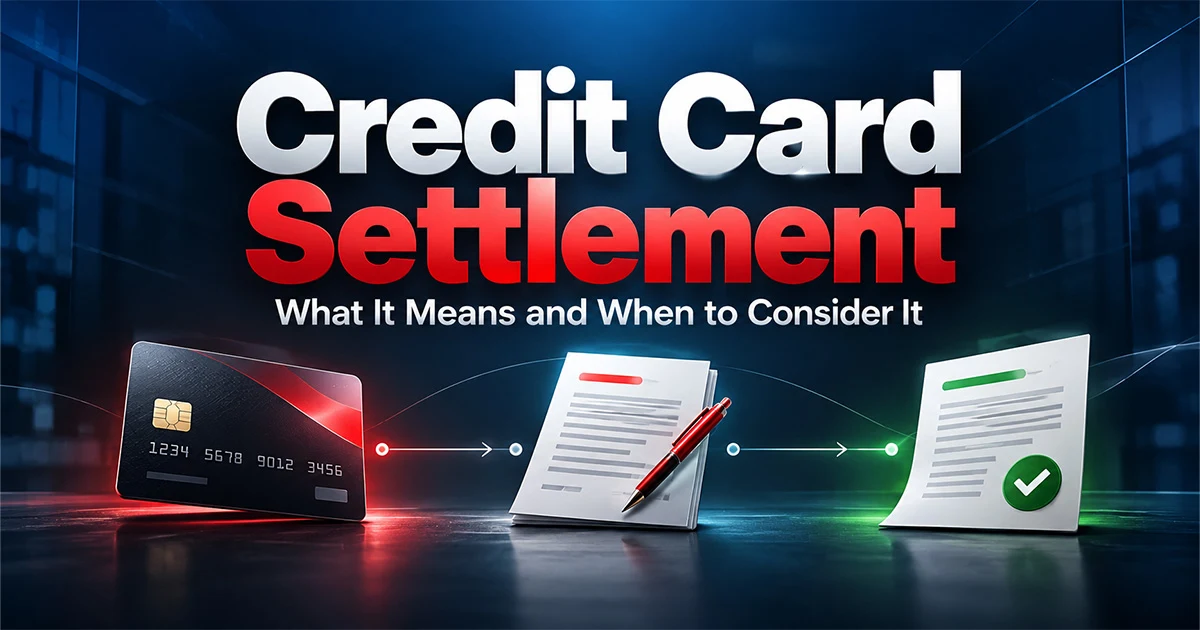
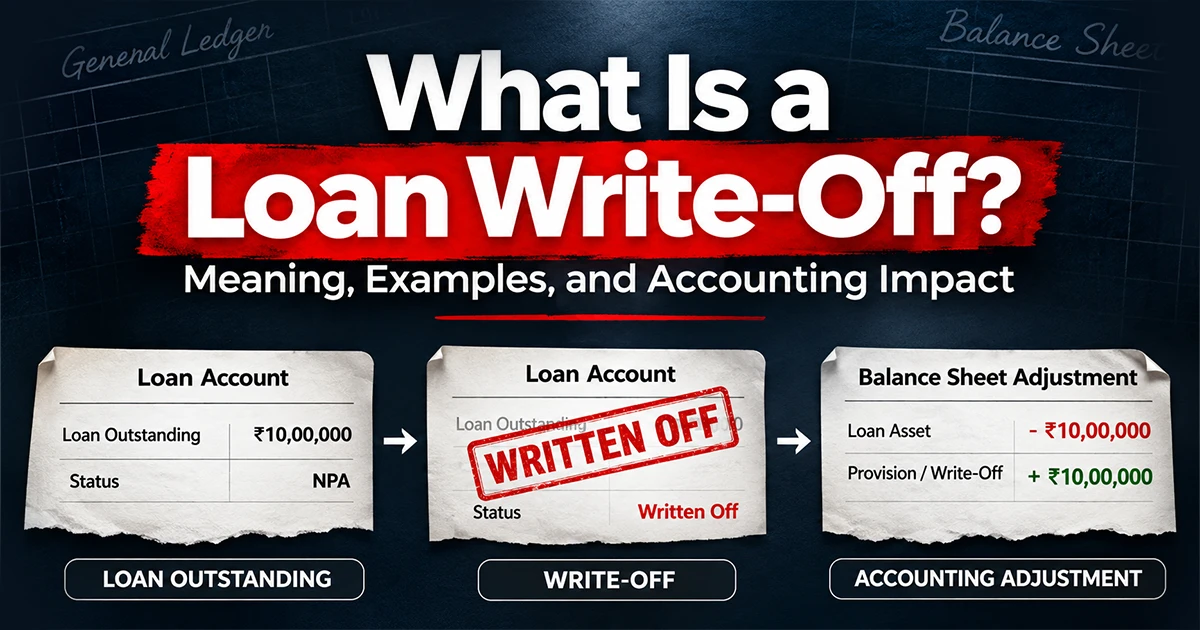
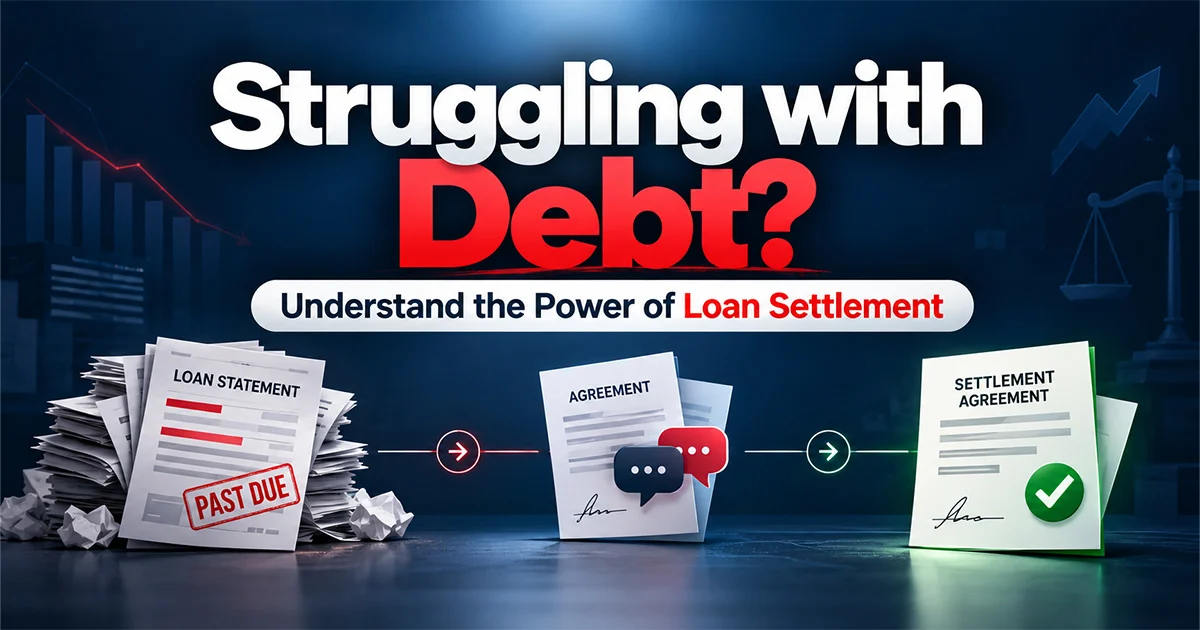

Loan settlement enables financially crippled borrowers to negotiate with the lenders and repay less than the loan amount. It goes together with unsecured loans such as credit cards and personal loans, where the chances of recovery are low. Settlement comes with the advantages of lower debt, cessation of interest, prevention of legal actions and being emotionally relieved of continuous recovery stress. It also harms credit score; however, it appears on credit reports over a period of years, and can become taxable on the waived amount. This is a decision that needs to be considered profoundly by the borrowers because the lenders do not consistently accept settlement, and future loans might have more serious conditions. There are also other options, such as restructuring, debt consolidation or financial counselling, that one should consider before making the decision. Loan settlement is also beneficial where repayment is not feasible, but one has to do it in a prudent way.
There is a risk of debts getting out of control very easily once some unpleasant life incidents, such as loss of a job, sickness, and crisis, take place. To a large number of individuals, it is not possible to repay due to continuous collection calls, legal notices, and an increase in interest charges. Loan settlement may be viable in such situations. Loan settlement refers to negotiating with the lender to repay a lesser amount as opposed to the sum due. The process is highly relieving, prevents harassment by the recovery agents, and assists the borrowers to close their accounts on terms that are agreeable to both parties. Although it has some disadvantages, such as the negative effect on the credit score, it may also act as the financial reset button for those who find themselves in a vicious debt trap. This reference covers the process of loan settlement, the advantages and disadvantages of it, and the financial steps to take after settlement.
The buildup of debt tends to put anxiety and financial strain. In cases where periodic repayments are no longer comfortable due to loss of income, sickness, or other emergencies, debts begin to increase due to compound interest and charges. Lenders can step into recovery measures such as repeated phone calls, legal notices or litigation, increasing suffering as borrowers fall behind.
Loan settlement then continues to be a financial reset button as it allows borrowers to work out a deal with the loan providers and repay less than what is owed to them. This is a practical choice recognising that the borrower can only make a fraction of the debt repayment and the lender accepts to have half the money rather than none.
The debt and other associated charges are stopped by paying off a loan. It prevents any pressure by the recovery agencies; the de facto threat of the law is reduced, and a strong end of the loan account is in mutually acceptable conditions. This represented systematic closure, enabling the borrowers to have the chance of reclaiming their power and concentrating on recovering their finances.
Loan settlement has many benefits towards those who are asphyxiated with excessive debt. First of all, it will minimise the total outstanding. Instead of paying the actual balance of the loan, borrowers are charged a negotiated amount, which can save thousands of unpaid principal as well as interest charged.
It is essential to stop the accrual of interests. After being settled, lenders stop collecting interest or penalty charges, and therefore, the debt will not accumulate even when paid at a reduced rate. This creates a definite number that should be paid back, meaning that there is no enigma about any unexpected EMIs being added.
Another important advantage is that of legal protection. Settlement eliminates the risk of lawsuits or seizure of assets, since lenders have no other choice but to accept a lower payment. This assists the families in evading the lengthy court battles or forced liquidations.
Debt recovery is a subject of ascending stress, which is resolved psychologically. It has offered relief and a feeling of closure, which enhances mental well-being. Money management practices are also encouraged by financial freedom that is obtained when people come out of debt cycles.
Finally, settlement preconditions the recreation of credit and economic safety. Once the settled amount is cleared, borrowers are now free to concentrate on budgeting, saving, and gradually building a healthy credit image.
To settle loans, it is important to have some clues to the definitions of the loan settlement and its process, eligibility, and legal meaning. Settlement in loans is not forgiveness; it is often the agreement of both the borrower and the lender to lessen the loan, such as by accepting the debt, and is termed as full settlement.
The unsecured loans used to conduct most settlements include credit cards, personal loans or payday loans. Unsecured loans have no security, hence lenders would rather choose payment as opposed to the risk of recovering nothing. On the other hand, secured loans such as home mortgages hardly go out of business due to defaults in payments since the lenders take over the property.
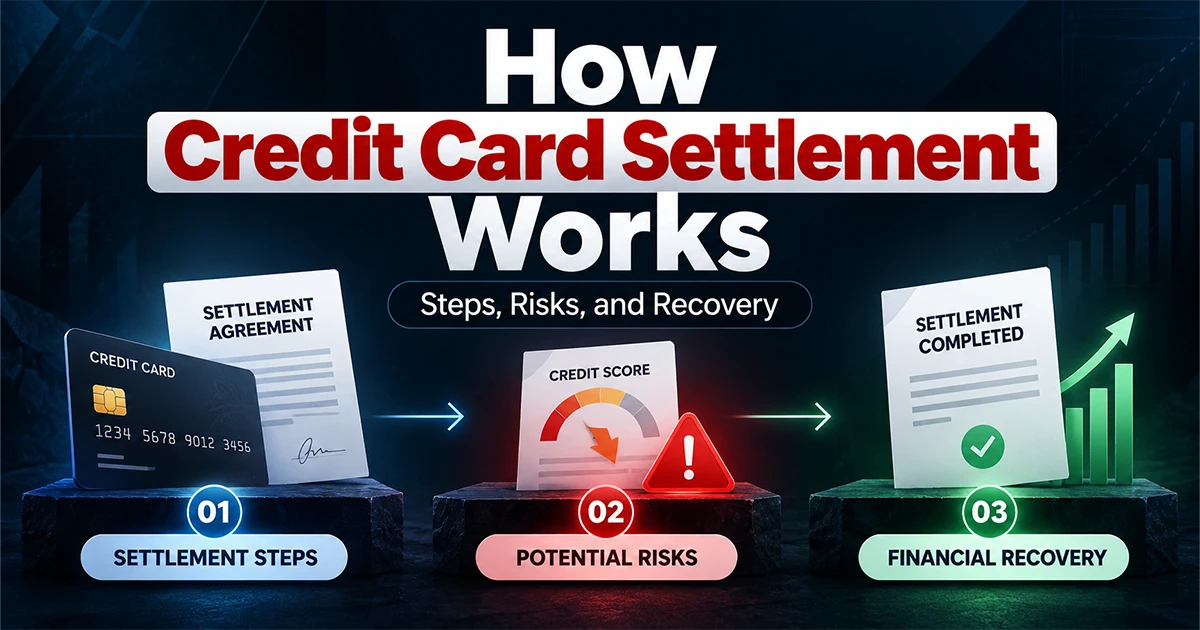
The process of settlement often includes a financial hardship statement submitted to the lender, and thereafter, an agreement can be made on cost-effective payment options. The settlement can be in a lump sum or can be in instalments of a certain number of months.
Legally speaking, lenders lose their rights to claim more after the settlement has been completed and a letter has been issued. The account will appear settled but uncredited on the credit report of the borrower, and this will prove to have a negative effect on the borrower's creditworthiness.
It is important to mention that forgiven balance might be subject to taxation as income, based on the local tax regulations. Taxation experts should be consulted by borrowers on the outcome of possible deals on settlement.
Making loan settlements requires a good examination of your finances, options, and the future effects. On the advantageous side, settlement gives one immediate economic relief. It helps restrict predatory interest, end collection harassment, and fit borrowers whose repayment ability is low.
It can fish off the legal imminence, repossession or the garnishing of wages and thus a critical situation will be converted into a manageable one. Silencing the resolution may be the gateway to recovery for the financially strained victims.
Negatively, settlements bring about serious damage to credit scores. Credit bureaus make the difference between settled and fully paid debts, declaring borrowers as risky. This refers to the inability to repay as per obligation, which may mean years of restricted access to cheap credit.
Moreover, outstanding obligations may cause tax penalties because the sums that are forgiven are not always considered as taxable income. Finally, all lenders may not welcome settlements, particularly when borrowers have a record of defaults or prior settlements.
All the advantages and disadvantages make settlement a rather well-thought-over decision after examining the possibilities of reorganisation, merger, or other solutions first.
The settlement process can best be initiated through preparation. Start by collecting all the financial information: monthly earnings, expenditure, total debt of the company, and the current obligations in repayments. This knowledge is grounded in the negotiation talks.
The initial interaction with lenders is crucial. Bargaining power is minimised by waiting to get defaults or resorting to lawsuits. Taking the initiative of reporting the state of hardship to lenders portrays a desire to solve the problems, which is usually appreciated.
Discussing your situation with lenders or recovery agencies, be very concise, highlighting the fact that you really cannot pay, but you are willing to negotiate. It is best to suggest a middle ground settlement according to your financial ability.
Before payment, one has to insist on formal documentation. An agreement of settlement should define the amount of the settlement, deadlines and no further obligation, and you will not be liable for future claims.
After concurring, the settlement is achieved by paying as promised, after which a final settlement letter is requested. This letter acts as an indicator in case of organising disagreements.
Appreciation of the differences between loan settlement and debt consolidation enhances improved financial choices. The two are useful in dealing with debt stress, but they apply in different situations.
Loan settlement is your debt being diminished by entering an agreement to pay less, which is usually an indicator of dire distress and causes bad credit outcomes. It halts the repayment, but harms the short to medium-term credit profiles.
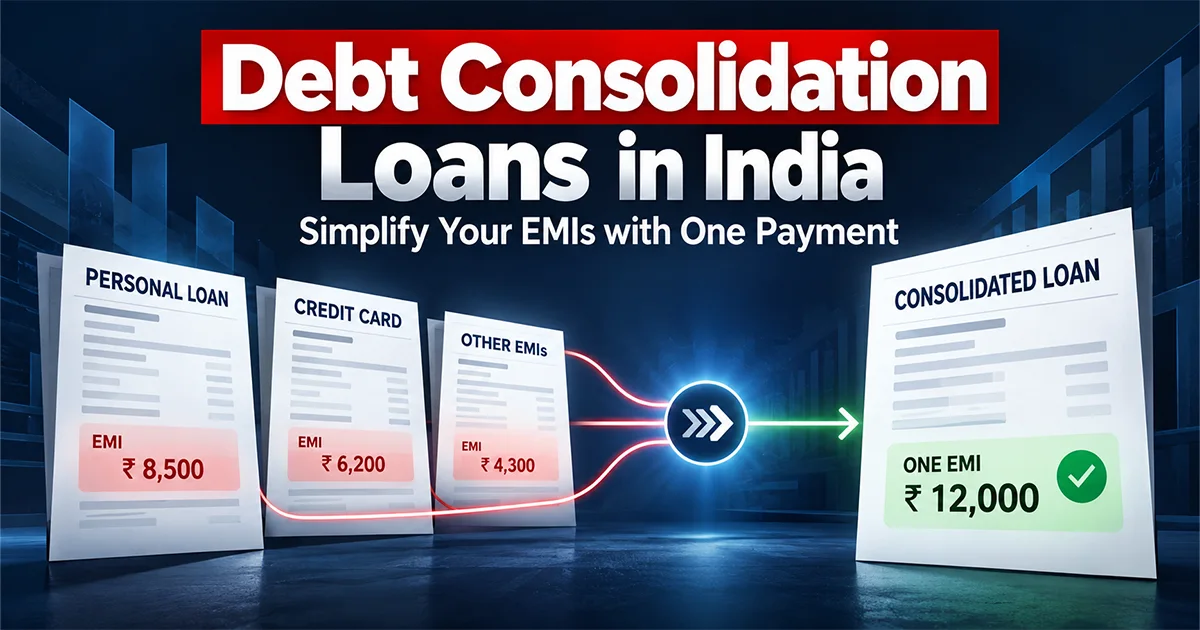
Finances are simplified by taking out several debts and combining them into one loan that has a lower interest rate and easier monthly payments. The strategy is creditworthy, provided one pays on time and does not destroy the credit.
It is up to you to settle on the appropriate choice depending on your ability to pay. It is better to consolidate in case your income is good enough to service your debts on better terms. Settlement suits the people who cannot pay the full amounts, no matter how it is redeemed.
Settlement on loans leaves a negative note on the credit report since they show that one is partially repaying a debt. Models used to score credit consider settled accounts to be negative, which reduces your credit score. The duration of this effect is normally up to seven years.
The most evident effect is the inability to get credit or loans in future. Interest rates will be high even in the case of credit availability because of the perceived risk.
However, this is not a case that can be reversed. A steady payment of the new credit account on time increases your credit rating slowly. The acceptance of secured credit cards or the sum of money in the form of a small personal loan or a car loan, and making payments on time, creates a healthy reputation for repayment.
Also, tracking credit reports frequently will enable correction of any errors to ensure creditworthiness is judged fairly.
The settlement experience has traps that may be avoided. Among the major errors is not getting a written contract before handing over payments. In the absence of a written record, lenders may still seek additional recovery even when the payments have been made partially.
The other mistake will be to make payments that you can not afford. Failure to meet settlement payments may strike down agreements, which may result in legal action or fines.
There is also a possibility of losing money without any results while working with non-verified and fraudulent agencies to settle debts. One should only contract licensed and reputable service providers.
Disregarding tax liabilities on debt forgiveness is another omission that may lead to the realisation of unanticipated tax payments.
By preventing such errors, you will have an easier time going through the settlement process without all the stress, and you will avoid legal and financial consequences.
The two major strategies of addressing unmanageable debt are loan settlement and bankruptcy, but they operate significantly differently and have varied outcomes.
Loan settlement refers to the bargaining and repayment of part of the interest artificially lowered by the lender. Even though it damages your credit rating, in most cases, possession of assets is not lost, and you are spared the court process.
Bankruptcy represents a statutory act of professing incapacity to finance debts. It offers greater relief of the debt but frequently involves liquidation of assets and long-term, more severe negative consequences for credit and financial reputation.
Although settlement is better when it can be achieved because it can be done with less effort and in a shorter period of time, bankruptcy can be the only solution in persistent insolvency or in situations where the debt is complicated and, as a result, cannot be settled.
Once you make a settlement on a loan, several events occur in that order, which affect your finances. To begin with, you have a loan being taken off the books of your lender, and a settlement letter is published. This document proves reliably under the law of closing the account with no further obligations.
Secondly, your credit report has been updated on the status of settlement, which will inform prospective lenders that the loan was not satisfied. This affects future credit decisions and interest rates on loans and credit cards.
During the months and years that follow the settlement time, it becomes important to concentrate on restoring your credit profile. Prudent credit use, on-time payments and careful borrowing are some of the ways through which creditworthiness is built slowly.
Lastly, watch the tax impact of the forgiven amount and make sure you meet the tax reporting and payments so that you do not get fines or unpleasant surprises.
It takes manoeuvring and time to negotiate a loan settlement successfully. Begin by investigating the policies and previous settlements made by your lender to have an insight into the probable parameters of the negotiation.
A well-documented financial statement that shows your income and expenditures and debts that you owe to prove your case of hardship. Power openness creates sympathy and readiness to compromise.
I need to ensure that I remain calm and respectful when communicating with the representatives without confrontations that diminish the chances of cooperation. Be ready to explain the amount of settlement that you propose clearly and realistically.
Record all the information you are communicating with, and insist on a written and signed settlement agreement before payment. Preferably, utilise settlement agencies with a record of ethical practices.
By adhering to these practices, you are more likely to have a positive settlement and an easy-going agreement.
The ultimate financial medicine is to avoid getting into severe debt situations. Keeping a budget enables you to manage the budget and prioritise the debt repayments effectively.
Building an emergency fund is like having a buffer against unforeseen costs like hospital fees, unemployment, and loss of credit.
Use the credit cards sparingly so that the amounts that are charged can be easily repaid within a month to avoid carrying unpaid balances and the accruing interest.
Checking your credit report regularly is important to identify any irregularities in the report or initial indications of future financial distress.
Lastly, consult with your financial advisor early, in case you notice being stressed in debt before it spirals to the point of possible debt settlement or even bankruptcy.
Loan settlement is not a magic or a thing to be afraid of, but it is a means to cope with unmanageable debt when all other means of repayment have been used in vain. It can provide immediate relief through the outstanding balance, termination of interest, and cessation of harassment by lenders. Meanwhile, borrowers have to learn about its long-term repercussions, such as getting a negative credit history and tax liabilities. The solution lies in the fact that settlement should be seen as a second opportunity - the opportunity to restart the finances, reestablish money management patterns and gradually build credit-worthiness. Borrowers can also settle a stressful chapter by avoiding pitfalls, entering into written agreements, exercising financial discipline once they take the loan, and putting money to work, stocked away, so that they can go about becoming financially secure. Simply, loan settlement is the most effective, though the final resolution.
Que: What is loan settlement?
Loan settlement is an agreement between the lender and the borrower to seal the debt by paying less than the full amount of the outstanding loan.
Que: Does loan settlement affect credit score?
Yes. A loan that has been settled will be given a note in credit reports indicating that the loan is settled, which reduces the credit score and thus influences the loan approvals in future.
Que: Can all types of loans be settled?
Unsecured loans, including credit cards and personal loans, mostly. Securities such as home loans have low rates of completion, where lenders can recover assets.
Que: Is loan settlement better than bankruptcy?
Yes, in most cases. Settlement will prevent the court from losing assets, whereas the long-term consequences of bankruptcy will be even worse.

Founded in 2015, Ahk Tips is a New Delhi-based financial advisor specializing in debt relief and loan management solutions.