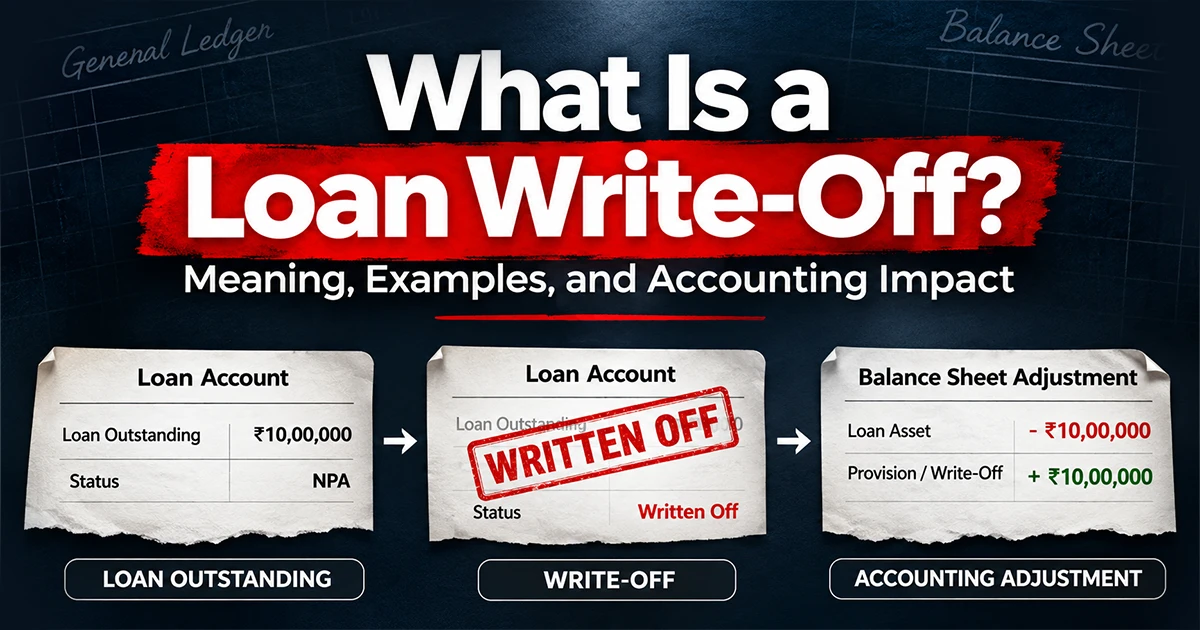

This article discusses what credit settlement is, how it is done in India, and when to do so. Credit settlement enables financially stressed borrowers to settle with banks and pay a lower amount rather than the complete outstanding amount. It is applied in unsecured credits such as credit cards and personal loans. The article discusses the process of settlement, the variance of partial and full settlement, and how they impact credit scores. It also lists the advantages, like debt burden decrease and harassment relief and disadvantages like credit score deterioration and tax obligations. Loan restructuring, debt consolidation, and money counselling are also highlighted. Lastly, it addresses how credit well-being is to be restored post-settlement, as well as methods of prevention for needing it in the future.
Credit settlement is available to credit card or loan takers who cannot settle the amount. It is a contract between the lender and the borrower where the lender agrees to take less than the amount payable rather than the full amount. The alternative is usually followed when money crises, such as loss of employment, sickness, or business failure, make payment impossible. Settlement is routine in cases of unsecured finances like credit cards and personal loans in India, where banks lack any collateral to recover. Though settlement is temporary debt relief from distress and recovery agents, it affects long-term credit health because credit records are labelled as "settled" rather than "closed." One must understand how settlements work, their advantages and disadvantages, tax aspects, and the options available before making a decision.
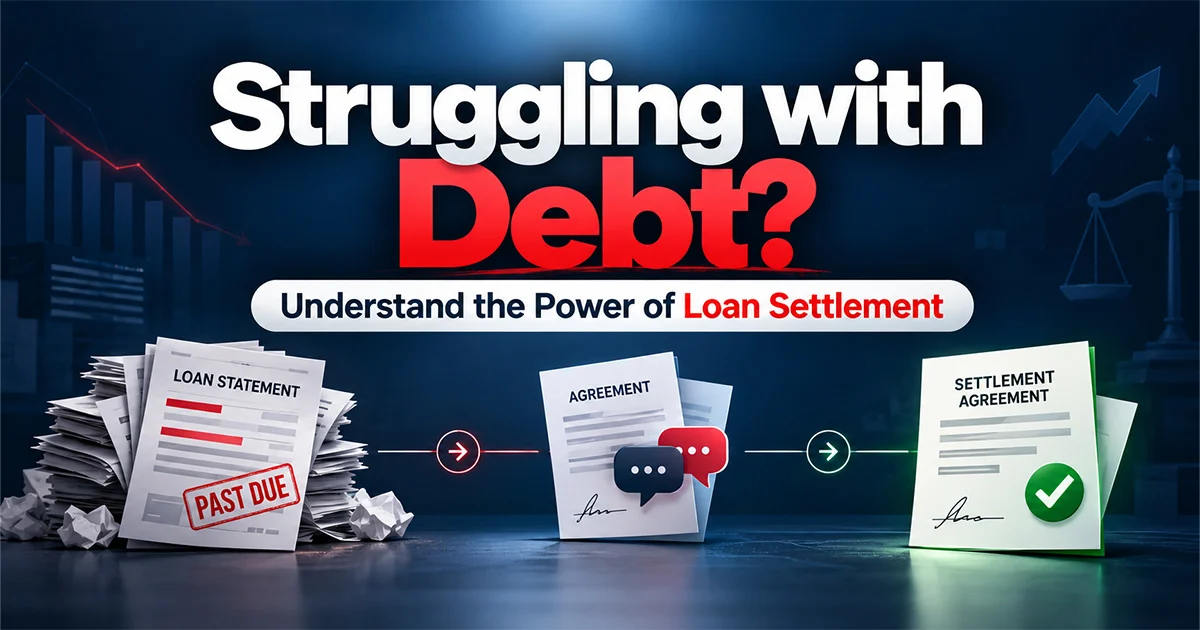
Credit settlement is simply a contract under which a borrower has signed an agreement to repay a lower amount than an amount in which a debt is owed and the lender agrees to it as repayment. This is basically constructed on a compromise that recognises that the borrower is having financial problems and the lender is realising that they may not be able to recover the entire sum.
Compared to a loan repaid in accordance with its terms of origin, where the account is rolled as totally closed and reflected in credit reports favourably, settled debts are marked as settled accounts. This means to lenders who may take the loan later that the borrower failed to clear all the debt, but cleared the debt partially. Most often, settlement occurs with loans that are not secured, such as credit cards and personal loans, because lenders do not have any assets to reclaim in the event of default.
In India, the credit market has changed radically in the past few years as more credit products are now available with a growing consumer debt level. Credit settlement is also a means of alleviating the liability and, consequently, gaining a measure of control over finances that are holding the borrower down at a level of debt that they cannot comfortably service.
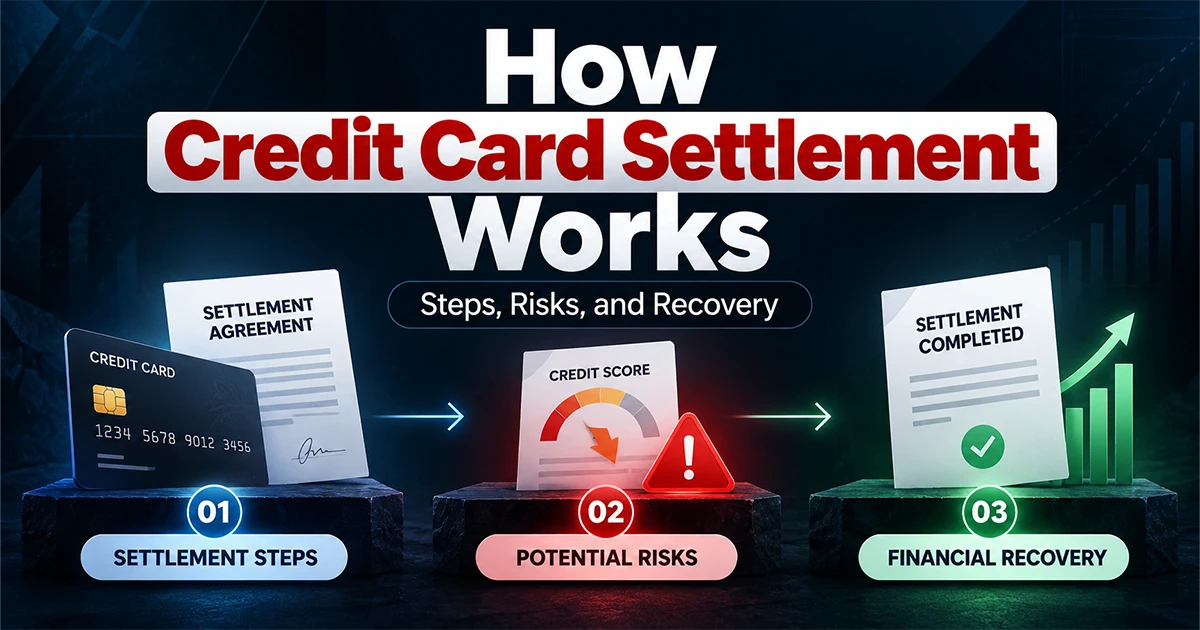
In India, it normally starts when a borrower realises that he/she cannot make regular payments and contacts the bank or a financial institution. The lender examines the status of the borrower, his or her payment records, and the general financial position. On this basis, lenders can provide a settlement option and recoup a portion of the dues as opposed to seeking full repayment, payments which may not be recovered at all.
There are also numerous banks and NBFCs that are utilising recovery agencies with a special focus on negotiating settlements. These organisations serve as the agents of borrowers, enabling them to come forward and discuss their financial troubles and negotiate. When an amount is added to the loan, the borrower will have to pay the lump amount or, in some cases, instalments as per an agreed period. At the end of it all, a settlement confirmation letter will be issued by the lender, which is a document that will allow one to close the account without any additional liability.
Although payments made to settlements can help the debtor in the short run, the credit report considers the settled state for a number of years. This is looked at with some hesitation by the future lenders, which can either result in stricter credit conditions or even denial of new loans or credit facilities.
Making a credit settlement choice is something that should be thought of first and must be viewed after all the viable options of repayment have been considered. It is usually thought of in the case where it is actually impossible to repay the loan or credit in full.
As a case in point, a person who is unemployed long-term or a company owner who is experiencing long-term unemployment may not be able to afford to pay a certain amount of money every month. Emergency medical expenses that result in large health expenditures can also be quite financially devastating, and the borrowers will have to give priority to other needs rather than paying off the loans. Interest accumulated over due outstanding obligations, late fees, and penalties can easily lead to a debt that is beyond manageable limits.
Moreover, in case the attempts at repayments are already broken, and it has become the order of the day to receive the legal notifications, recovery appeals and multiplying stress, settlement could be the only option available. It may be a relief from harassment and even legal risks, but it has to be taken with complete recognition of the implications that it has for future creditworthiness.
There are typically two types of credit settlements with various financial and credit outcome consequences.
Partial settlement: This is a settlement in which the borrower pays a lower amount, although the borrower still retains an outstanding balance. This can be on individual transactions with payments making specific dues or payments, but leaving the loan technically open and still with obligations on it. This piecemeal process has the effect of rendering continuous negotiations or subsequent settlements.
Full settlement, as it is called, requires the lender to receive a negotiated amount as the final payment of the whole debt. The borrower makes the agreed amount, and the loan will be registered as fully closed on the credit report. Full settlements exempt the borrower completely from any further duty of repaying that account, although the credit record will continue to record the settlement status.
It is also important to understand these differences: full settlement offers definite closure, whereas partial settlement can prolong the debt obligation or can also complicate the financial accounts.
One of the most severe effects of settling the credit is that the borrower's credit score will be affected. Credit bureaus make a difference between settled loans and fully paid loans. The settled status indicates the inability of the borrower to fulfil the complete repayment, and this impacts negatively on creditworthiness.
This record will remain in the credit report of the borrower, and future lenders will view it negatively and will be compelled to lend to that borrower after seven years. Borrowers will have difficulties in taking new loans or credit cards at acceptable rates. In spite of credit being offered, there is usually a premium in the interest rates to ensure that the lender's risk is still covered.
It takes time and responsible financial conduct to rebuild credit after it was settled. The settlement prevents any further adverse coverage of that account, but the settled notation will continue to appear, and the borrowers will need to demonstrate good payment records under new credit to overcome the mistrust.
The process of negotiating a credit settlement might be somewhat intimidating, but it is possible to have a structured process to reach better results. Firstly, it involves collecting all financial records such as evidence of income, expenses, balances due and loan histories. This preconditions the borrower to introduce a clear image of the inability to pay all the debt.
The borrowers will then open the conversation with the lender and clearly explain why they have financial needs. Goodwill and agreement may be developed through honest communication. The realistic amount to settle in a lump sum or in personalised payments should then be offered by the borrower, bearing in mind his or her comfortable ability to make the payments.
The counteroffers or requests by lenders can be to seek further documentation or make counteroffers. It is important to be patient and flexible throughout negotiations. One should also ensure that he or she does not make a settlement payment without obtaining terms that are adequate in writing.
Once the terms have been agreed upon, the borrower goes ahead to pay and make sure that he or she gets a formal settlement letter that confirms final closure and no additional dues. This will be used to safeguard the borrower against subsequent recovery claims.
The settlements of credit differ by kind of loan since there are various lending conditions and security attached to it.
Credit cards and personal loans are the most frequently settled unsecured forms of loans since there is no collateral applicable in such loans. In this case, lenders will opt to get a settlement at any price rather than go to court and incur expensive legal proceedings or write the debt off.
Secured loans, such as mortgage or car loans, are not readily settled since a lender is free to reclaim the security. Nevertheless, extraordinary situations might necessitate negotiated settlements, with these frequently being accompanied by asset recovery or asset sale agreements.
Business and commercial loans are more complicated in their negotiation procedures, which may include legal intervention and programmed repayments. Settlement in this case can impact credit ratings when it is applied to businesses in terms of future funding.
The understanding of these variations can enable borrowers to plan settlement facilities that are reliable for their budgets.
Among the main advantages of credit settlement, there is the fact that the debt burden decreases immediately. The borrowers can halt the accrual of interest and penalties and other late fees by paying a lower lump sum, which otherwise gives the owed amount a significant skin pass.
The other major benefit is no longer having to go out all the time collecting, receiving legal notices, and being harassed by creditors, which can be emotionally distressing most of the time. Settlement is a more psychological way out as it offers a much better resolution, and people are free to concentrate on recovering their finances.
To lenders, settlements will result in faster recovery, at least in part, of the dues without the expensive legal proceedings, lowering the administrative and litigation expenses.
The responsible payoff of debts may form the basis to re-establish creditworthiness in the long run, particularly when accompanied by strict financial discipline and punctual payment of newly taken credit.
In spite of the advantages, there are a number of disadvantages of credit settlement. The greatest of them is the negative effect on the credit scores. Credit reporting agencies indicate paid accounts as negative accounts where the borrowers are indicated as having failed to meet the financial obligations in totality.
This has an influence on the capability to acquire new credit facilities or loans. There is a possibility that lenders will levy a high rate of interest or reject credit applications altogether several years after the event of settlement.
Also, in India, the waived sum by the lender might be entitled to income tax, and the government authorities may remain taxable income and, thus, an unwanted imposition of tax.
Lastly, the borrowers will face the risk of not being able to receive affordable financing options or optimal loan terms on a long-term basis and as a result, it requires prudent planning post settlement.
Before confirming that the debt has been settled, other options ensure prioritisation of credit history and lessening the pressure on repayment.
It is common that banks conduct loan restructuring, allowing borrowers to prolong the repayment period, lower their periodic EMIs or bargain for lower interest rates. This saves the loan position as standing and bright on the credit books.
Debt consolidation is a process whereby a number of debts are combined into a single loan with a more manageable interest rate and payment. This is just a way of simplifying the process of repayment without hurting credit reports, if it is done in a responsible way.
Besides, lending to a neighbour or to a family friend can serve as a source of temporary funding to pay off some pressing debts without getting into a trap of paying down.
Personal budgeting, loan management, and negotiation services are also provided to consider these options using financial counselling services.
Making other options will slow down harm to credit reports and contribute to sustaining long-term financial sustainability.
Debt stress has been a major stressor on both the psychological and emotional states, causing anxiety, lack of sleep, and depression. The pressure exerted on the lenders and the imminent financial uncertainty is a heavy psychological burden.
Although credit settlement leaves behind a bad credit tempest in its trail, it usually provides much-needed relief from these burdens. The end of collection calls and lawsuits will enable a borrower to focus on healing and economic recovery.
The financial benefits of settlement are not as significant as the emotional ones. Counsellor, family or support group support could help in navigating the transition in an effective manner after settling down.
The Reserve Bank of India (RBI) controls lending and recovery practices within the country, which establishes a setting that safeguards the rights of borrowers. Bank and NBFCs should work under fair practices in recovery, transparency and no harassment.
Consumers are entitled to certain disclosures, such as the impact settlements have on credit reports. Claims regarding the inaccurateness of credit records may be made with credit bureaus or banking ombudsman offices.
This knowledge of such protections enables borrowers to negotiate with a lot of strength and seek a remedy in case they are victims of unfair recovery practices.
The debt written off in the course of credit settlement is usually regarded by tax authorities as taxable income. This implies that the value that is foregone by the lender has to be subjected to income tax returns and could become taxable.
This is an aspect that is important for borrowers to be aware of, so that they do not encounter surprises when filing taxes. It is important to have any tax implications planned by consulting tax experts before concluding settlement negotiations.
Making credit after settlement is an ongoing process. There should be sound use of the new credit account, with payment being timely.
To begin with, small secured loans or credit cards can be used to establish a good payment history. Credit enhancing is supported through budgeting, restriction of new debt and focus on savings.
The adverse impact of the settlement will reduce with time, with dedication to the restoration of the borrowing capacity and financial option enhancement.
It is more preferable to prevent than to cure. Creation of an emergency fund helps to cushion financial shocks. It will keep the finances balanced by borrowing no more than can be repaid, and using credit without being impulsive.
Payment schedules and keeping a regular check on credit health would ensure that one does not miss a payment. Settlement risks are also minimised through financial literacy and advice in the encouragement of responsible lending.
Credit settlement can come as a welcome relief to debtors struggling with overwhelming debt, recovery agencies, or legal letters. It reduces the burden cumulatively and comes with a faster resolution, especially for unsecured loans. But it carries dangerous pitfalls such as a devastated credit score, limited future credit, and possible tax implications. The lenders must weigh the pros and cons with utmost caution and seek alternatives such as restructuring or consolidation before deciding on settlement. In the event of inevitable settlement, a written agreement and morally restoring the credit afterwards are extremely crucial. With time, financial discipline, savings for unexpected events, and prudent usage of credit, one can ultimately eradicate the need for settlement. Ultimately, credit settlement should be a last resort only, never a first.
Que: What is credit settlement?
Ans: When a lender agrees to take less money back from a loan than what is owed, this is called credit settlement.
Que: Does credit settlement affect my credit score?
Ans: Yes, it hurts your score because accounts are listed as "settled" instead of "closed."
Que: When should I consider credit settlement?
Ans: Only when you can't pay back the full amount because of a financial problem like losing your job, having a medical emergency, or going out of business.
Que: Are there alternatives to credit settlement?
Ans: Yes, you can restructure your loans, consolidate your debts, get an advance on your pay, or get aid from financial counselling services.

Founded in 2015, Ahk Tips is a New Delhi-based financial advisor specializing in debt relief and loan management solutions.