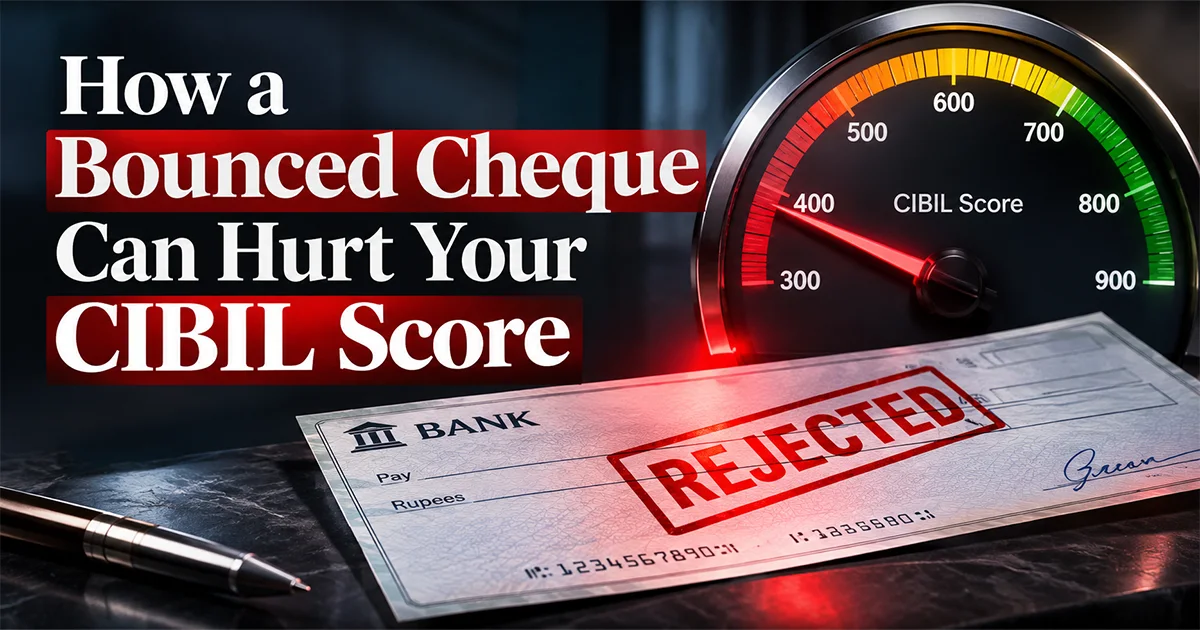
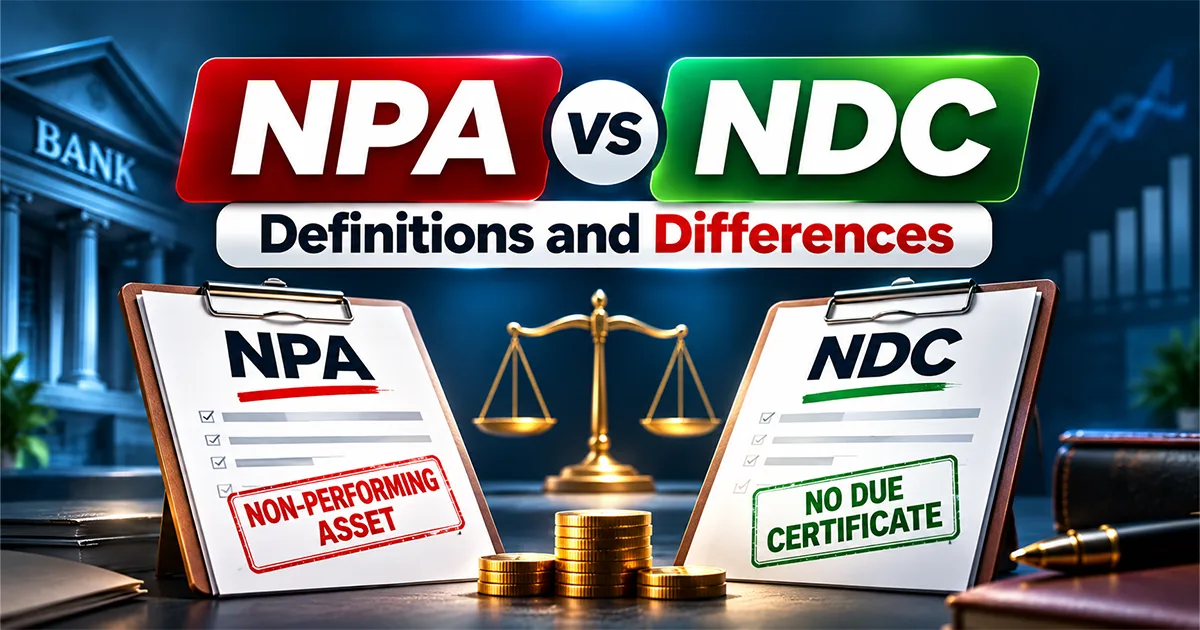

This story is going to clear the difference between NPA ( Non-Performing Asset) and your NDC ( No Dues certificate ) in banking terms, and how it can screw up your CIBIL. When a borrower does not pay back the loan on time, the bank or financial institution lends the money to them, then it becomes a Non-Performing Asset (NPA), which blocks off the borrowing person’s credit and CIBIL score, restricting their opportunities for future loans. NDC is evidence that a loan has been fully paid, a demonstration of responsible repayment behaviour known as good conduct and thereby ensuring that the credit report remains healthy. Whereas NPA means financial troubles, NDC signifies creditworthiness. Borrowers should stay current, seek NDC after paying loans off in full and monitor their credit reports for accuracy. Knowing the difference is important for your loans and your financial reputation.
When you are involved with loans or credit, knowing bank vocabulary is important for the sake of your own financial well-being. The NPA and NDC are two terms that frequently confuse those who have borrowed. NPA is short for Non-Performing Asset, which means a borrower has stopped making interest or principal payments on a loan for 90 days. This black mark can bring down your score and impact any potential loan approvals in the future. On the other hand, an NDC (No Dues Certificate) is issued when the loyalty of a borrower is strengthened, when he has cleared an entry in his credit report saying that he has paid off a loan. It is important to understand the difference between NPA and NDC so that a borrower can handle their credit wisely, prevent errors and keep a robust CIBIL score for any of their future financial needs.
It is imperative for everyone who applies for credit or intends to borrow funds. NPA and NDC are two terms that, after coming across many in a credit report, usually leave a borrower confused. These are not mere technical terms, but they can affect your future credit life and whether you could borrow a loan or not, as well as whether you would be able to draw a loan or a credit. In this paper, we will discuss the difference between NPA and NDC, their meanings and the effects they produce on your credit report.
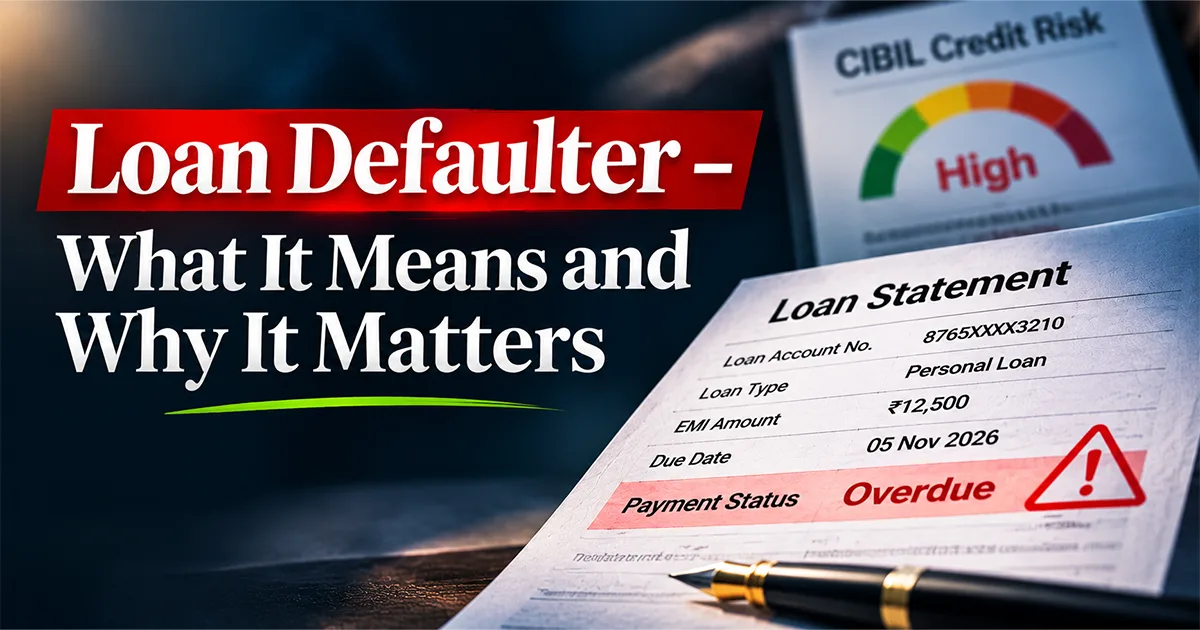
NPA means Non-Performing Asset. To put it briefly, an NPA is a loan or advance in which the borrower has defaulted in meeting payments over a period of time, normally over 90 days. In cases where a borrower fails to remit the principal or interest on time, the bank will consider that account as a non-performing asset.
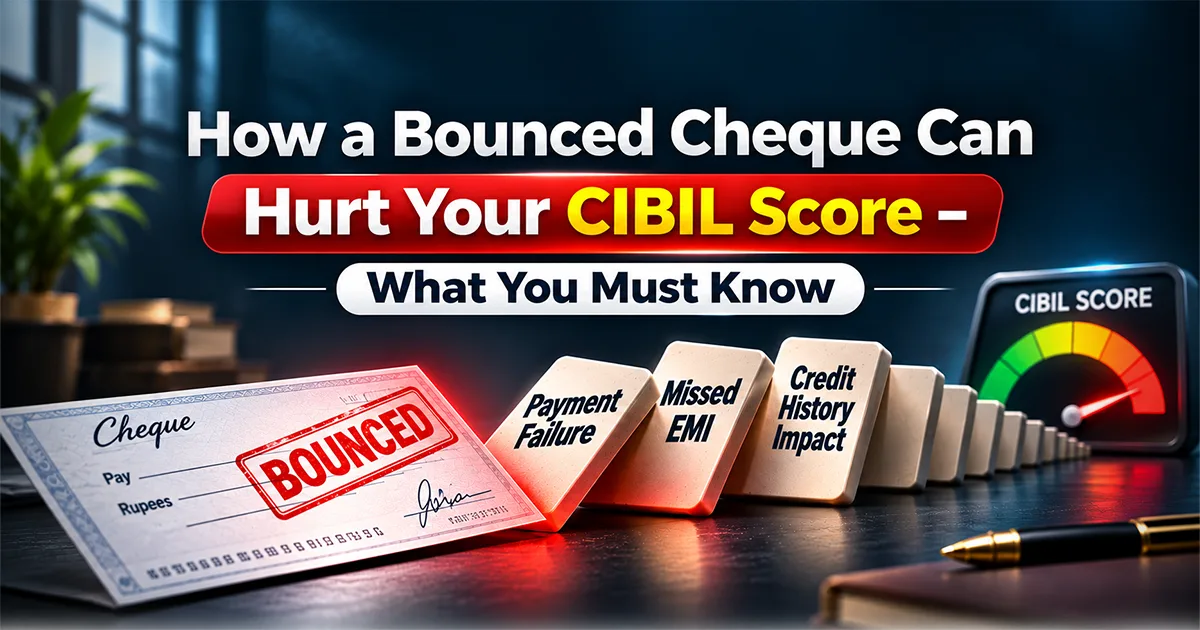
This is not only an internal classification. When your loan turns into an NPA, it will be shared with the credit bureaus, such as CIBIL, and become part of your credit history forever. This will severely reduce your credit score, and further loans will be hard or impossible to get for a period of time.
Banks are endowed with NPAs as they have direct impacts on the financial health of the organisation. A loan that was classified NPA simply implies that the bank is not getting any income on the asset, and with time, the bank might end up incurring a total loss since the borrower may never repay.
No Dues Certificate is abbreviated NDC. It is a document issued through a bank or other financial institutions to ensure that a borrower has fully finished repayment of his or her loan, hence the bank does not owe him or her any dues. An NDC is a document that demonstrates that you have paid off all the liabilities to the lender.
The NDC is very vital as viewed by a borrower. It not only confirms the loan closure but also assists you in keeping a clean credit report. In case your credit report shows that an old loan has been repaid in full, and yet it keeps showing on the credit report, then you can submit the NDC to the lender or credit bureau to amend this information.
Whereas NPA is a sign of a repayment issue, NDC is a good document with a good sign of responsible financial practices. It demonstrates that you have borrowed money and paid it on the date, and it enhances your creditworthiness in the perspective of your future lenders.
Learning to distinguish between NPA and NDC can enable a borrower to become more responsible and to avoid making errors that can hurt their future. The two terms are extremes of the loan repayment process.
An NPA portrays a default or unsuccessful payment scenario, whereas an NDC is a successful loan closure. One lowers your credit rating, and the other can assist in raising your credit rating. Bank and credit facilities will consider the two indicators when evaluating your credit profile.
Take the case of someone seeking a home mortgage, where your credit reports indicate a new NPA, most lenders would not be willing to approve your loan. Conversely, in case there is an NDC of a previously repaid loan on your report, then you are likely to secure a new loan at a preferable interest rate.
NPA and NDC appear in your credit report, which is kept by agencies such as CIBIL.
An NPA will appear as a default position, with a note normally containing a comment of written off or settled. Such comments show that the loan is not repaid in full or that the loan had been closed with a negotiated payment instead of completing the loan. This information stays on your credit report for a few years and still has an impact on your score even after the account has been closed.
An NDC is not reported as an individual line entry under your credit report. But when the loan is completely repaid and closed, you will see in your report that the account is closed and has no outstanding balance. This is an indication of responsible credit usage. Should there be any inaccurate information left on your report by the time you close a loan, you can request a correction of the information to be made by your lender or by your credit bureau with the help of NDC.
A significant number of those who take loans get to know about NPA and NDC when they experience difficulties in borrowing money or when their credit rating decreases. Nevertheless, much of the financial strain can be avoided by being proactive and by knowing these terms at the outset.
On borrowing, you sign a legal contract to pay the money with interest. Even missing a couple of payments will mark your account as an NPA. This is not so easily reversed once it has been marked, though you may pay it back later. The consequences of the harm done to your credit report may be long-term.
.
Alternatively, asking and saving your NDC at the end of the repayment period means that you have an accountable record of your responsible behaviour in repaying. Not only can this be used to update your credit report, but it is also a tool to build your profile in the future when you apply to other credit products.
After having paid off a loan, I have to make it my duty to make sure the credit report reflects the new status. This credit bureau update may require some time on the part of lenders. You must always order an NDC of the lender and peek at your credit report in one or two months to see whether the status of the loan is reported as closed.
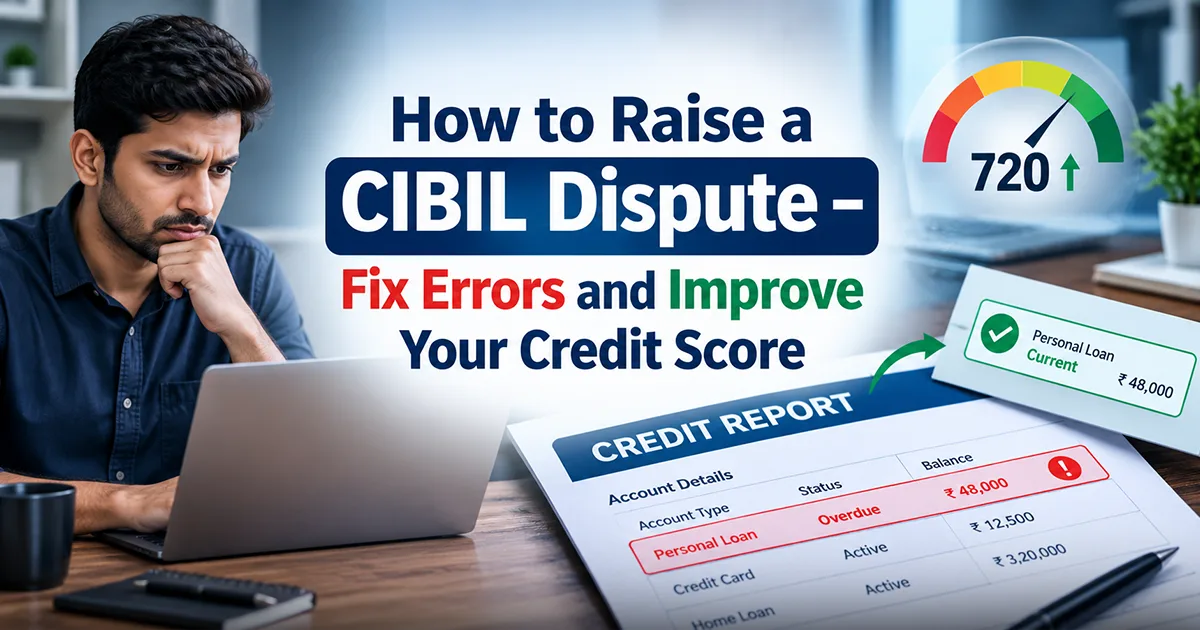
Unless your loan has already been closed or the credit balance is depleted, you can escalate an objection to the credit bureau. Please provide your NDC as evidence, and the bureau will liaise with the lender to rectify the information.
Keeping up with your credit report is the most important thing to ensure that you have a good credit score. Do it to avoid an NPA situation by paying on time or to make sure your NDC is accurately reflected; these measures will go a long way in your financial life.
When it comes to dealing with credit and lenders on your CIBIL report, two of the most confusing terms for borrowers are NPA and NDC. These might sound technical, but they have a direct impact on your financial profile. Whether you’re organising a loan application, simply checking your credit or working toward improving your score, it’s essential to know what NPA and NDC are — and to understand what they mean for your report.
Here's an NPA vs. NDC comparison, breaking down each term and outlining the differences between the two so you can see where they'd show up in your credit report. Knowing the numbers can also steer you away from some of the mistakes people prone to them make and enable you to manage your credit more wisely.
NPA is abbreviated as Non-Performing Asset. When applied to personal loans, home loans or through credit cards, it is a state of affairs in which the borrower does not make any repayments of the loan either in the form of principal or in the form of interest over some time. The bank or the lender (in most cases) will put this account under an NPA classification when it has not been paid in over ninety days.
Once your account is marked as NPA, it is an indication to the financial institution that the loan is not generating income anymore and can become a bad debt. But outside the bank's internal process, an NPA status is also reported to credit bureaus such as CIBIL. When they show up in your CIBIL report, they carry a hefty negative value in terms of credit rating and harbour a bad reputation as a borrower.
Under CIBIL, that is NPA status, in your credit report, this will be indicated by comments such as written off, settled, or suit filed. These comments show that the loan is no longer performing as per schedule. One of the things to consider is that when reporting an account as NPA, it will remain in your report for several years, even after full payment and will still continue to affect your capacity to secure fresh credit.
NDC is an Acronym of No Dues Certificate. It is a formally written document issued by your lender once you have paid your loan in full. It assures you that no overdues, interests, or penalties on your account exist, and your lender believes the loan has been completely closed.
The NDC abbreviation within the banking industry is uncomplicated, but its meaning is immense. It is your evidence that the loan or credit card account is paid accordingly, and there are no additional payments to be made. Although the lenders all submit their reports to CIBIL and other credit bureaus directly, it is always prudent that borrowers save a physical or digital copy of the NDC to use in future as a reference.
If your credit report falsely indicates that a loan is in active use or still in an outstanding position, then you can present your NDC to the lender or credit bureau to rectify it. This renders the NDC a document that must never be ignored, particularly when seeking new lending or credit cards, because it reinforces your argument that you can repay them dutifully.
The distinction between NPA and NDC is not only in the meanings but also in the narrative that each one of them portrays regarding your financial conduct.
An NPA shows that the loan applicant has failed to repay according to his or her terms, and he or she threatens to default. It is a negative record that will reduce your credit rating, and borrowing in future will be problematic. It remains on your credit report for a long period and could result in a lawsuit by the creditor if the payment is not made.
Conversely, a positive story is told by an NDC. It demonstrates that the borrower has successfully made the loan payments. It does not appear directly in your credit report, but its consequences are observed when your loan account is reflected as closed and has no balance. This will assist in keeping or even increasing your credit rating in the long run.
The other major distinction is in the way that the lenders perceive the two terms. In case of NPA on your credit report, lenders will view you as a risky borrower, and the likelihood of you obtaining a new loan will drastically reduce. However, in a situation where you can provide an NDC for your past loans, lenders will know that you are a good borrower and are more likely to grant you a loan with better conditions.
A CIBIL report is an in-depth history of your credit, with all loans and credit cards. Should a loaning account become an NPA, it will come back to you in the form of special comments and a decline in your credit score. This will be contributed by missed payments, delayed EMIs or loans written off by the lender.
Negative comments on the NPA status under CIBIL can be written off, set off, or a suit filed. This gives a warning to any future lender and may result in a tightening of the belt when it comes to securing a new loan, despite a good income and job security.
In your CIBIL report, the NDC is not a term that you see. But when you can pay off a loan to the last penny and get the NDC, the loan will be recorded on your report as having been closed. The total balance will be nil, and no subsequent payment will be anticipated. Such a closed status sends an indication of repayment to other lenders, and this can have a positive impact on your credit score.
The majority of borrowers only become aware of NPA and NDC when they have a problem with it, such as when they are denied a loan or when their credit rating drops without any warning. However, understanding the meaning of these two terms and their differences can enable you to better handle your loans in the initial stages.
When you are repaying a loan in the present time, be careful that you are not late on paying EMIs. Defaults must be avoided at all costs, since NPA status will be far more difficult to rectify in the future. When you find yourself in financial trouble, it is only worthwhile to discuss with your lender and request restructuring as much as possible instead of letting your account become NPA.
In case you are already paying the loan back, please remember to request your loan provider to issue the NDC. Although your CIBIL report may indicate that you have closed a loan, a copy of the NDC will provide a document in case there is any dispute. It is an easy measure that will save you from making a possible mistake in credit reporting.
NPA and NDC are the two key concepts that affect your financial behaviour and credit standing. Missed payments and financial trouble lead to an NPA, which impacts negatively on your CIBIL Score and makes it difficult for you to avail new loans. Instead, a No Dues Certificate indicates that you have made complete repayment, enhancing your credit profile and reflecting prudent borrowing. “This is why it’s so important for a borrower to make sure he or she pays loans on time, requests NDC after loan closure and regularly checks credit reports to fix any mistakes. Being proactive is the key to avoiding NPA status and protecting your CIBIL score. As long as you can manage your NPA and NDC prudently, car loan approvals would always be at ease going forward, and in the meantime, your financials and financial discipline could also remain intact.
Que: What is the meaning of NPA in banking?
Ans: NPA refers to Non-Performing Asset which arises when a borrower has not made the payment of principal and interest for more than 90 days.
Que: What does NDC mean in banking?
Ans: NDC is No Dues Certificate, which is a certificate that your lender gives you notifying you that they have collected the loan repayment.
Que: How does NPA impact my credit score?
Ans: An NPA affects your CIBIL score, which makes it difficult for you to get a future loan, and remains in your credit report for years.
Que: Why is NDC an important feature for borrowers?
Ans: NDC is the taking of responsibility to repay the debt you have incurred. It will go a great way in keeping your credit report unsoiled and can be a tool for fixing any mistakes there may be
Previous Post
Next Post

Founded in 2015, Ahk Tips is a New Delhi-based financial advisor specializing in debt relief and loan management solutions.