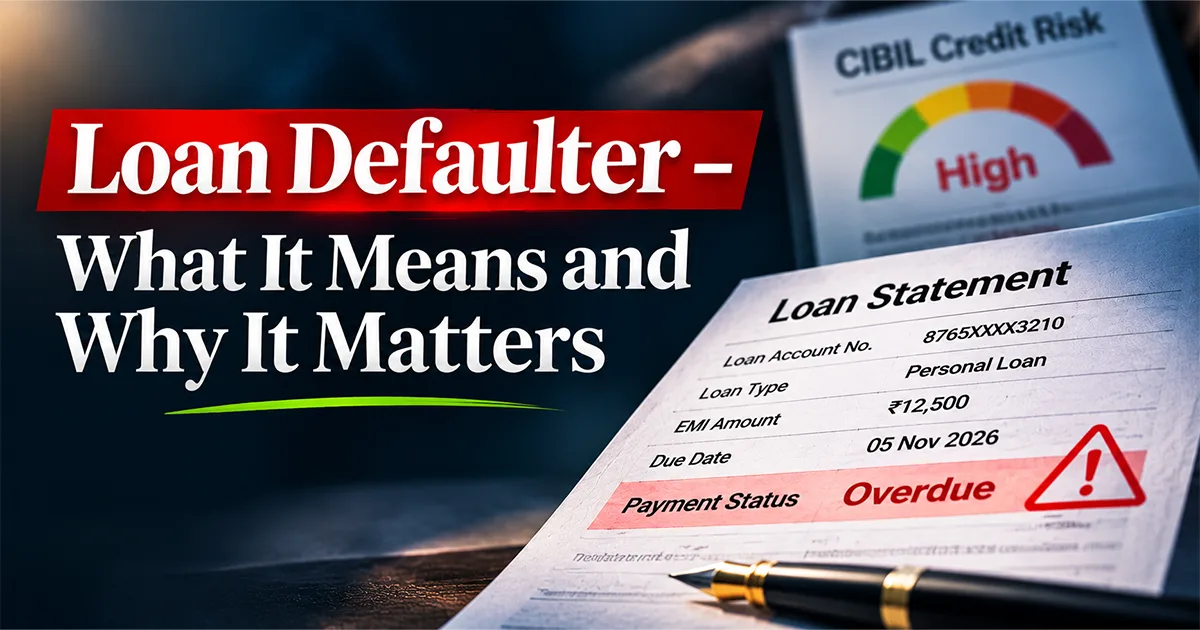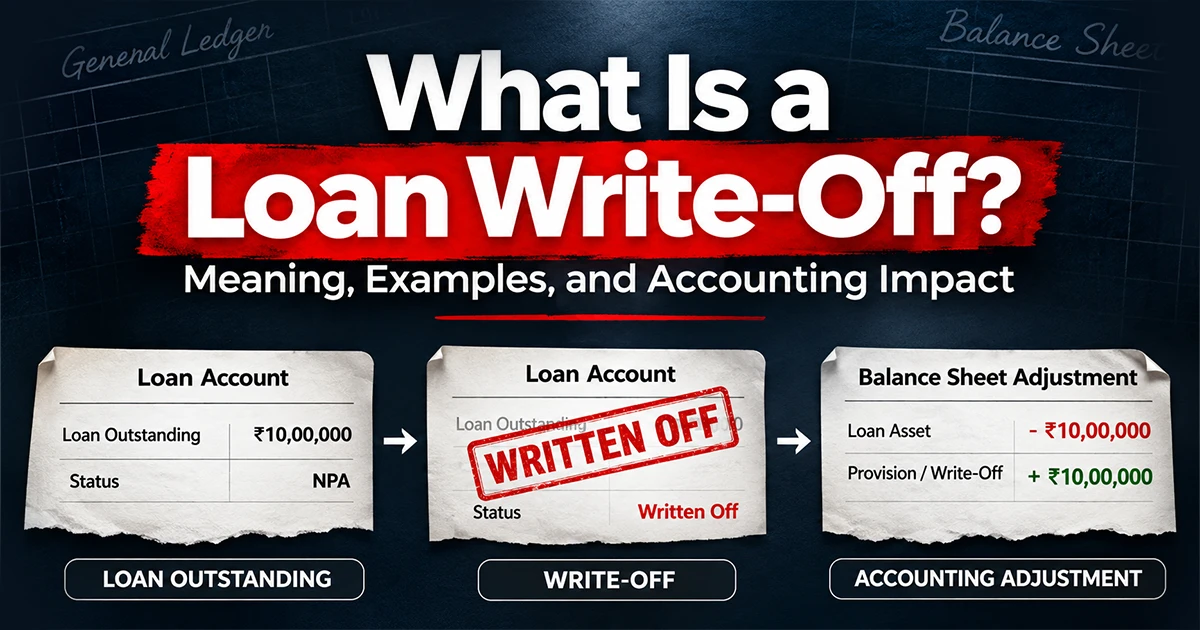


Loan restructurings offer a more realistic alternative for both businesses and households if they want to avoid defaulting. And instead of bankruptcy, steep penalties or destroyed credit records, borrowers get on new terms with lenders. These could be extended repayment terms, reduced interest rates, changing payment schedules, or actual debt forgiveness. This helps businesses with cash flow and relationship banking, as well as risks of default. And for people, it cuts down on the bite of monthly payments and financial distress while shielding their credit scores. A restructured loan gives you flexibility in governance of your finances, stability and the opportunity to get back on a financial track. With the help of lenders and financial advisors, borrowers can responsibly restructure debt, avoid bankruptcy filings and establish viable payment plans that will support future growth.
Experiencing financial difficulties - including rising costs, falling revenues, or unexpected emergencies - can make repayment for businesses or individuals tremendously challenging. If you are unable to repay a loan, even a small one, you can destroy your credit, get sued, and/or have your property taken away from you. Loan restructure can provide a much-needed lifeline by allowing borrowers to renegotiate loan terms with lenders. This could mean extending the repayment period, lowering the interest rate, changing the payment due dates to coincide with receiving income, etc. Loan restructuring makes repayment more manageable while still allowing the lender to receive what they are legally entitled to. It enables businesses to survive during economic distress without filing for bankruptcy, thus allowing them to keep jobs intact while enabling individuals to focus on reducing stress and securing a better financial future. Simply put, it is a mutually beneficial option for both the borrower and lender.
How Loan Restructuring Can Save Your Business From Default
Loan restructuring is the process of trading new conditions with lenders to make loan payments to businesses easier. This is aimed at changing the terms of the original loan contract to suit the financial conditions of the business. This may involve the adjustment of payment terms, interest rates, and loan conditions.
Instead of defaulting on a loan, which may cause a grave loss of credit and reputation to the business, restructuring loans enables businesses to retain their ties with lenders and develop a more viable repayment solution.
Under a normal loan restructuring, the business and the lender enter into a new set of terms that bind them to repay the loan in a more viable manner. Such terms can have different variations based on the needs of the business, but those are usually associated with:
Extending the life of the loan is one of the most widespread models of loan reworking. With an extended repayment period, businesses will be able to pay less on a month-to-month basis. This will assist in alleviating cash flow problems, and businesses will have additional time to earn the income required to cover the debts. The drawback, though, is the fact that the company is likely to pay a higher amount in terms of interest during the loan term.
The other frequently used restructuring approach is the negotiation of a reduced interest rate. This can greatly lower the total cost of a loan and lower monthly payments. Lower interest rates will allow businesses to unlock cash to be used in other expenses or investments, and it can be used to improve their financial status.
Loan restructuring can be achieved by altering the payment period to be more in line with the income cycles of a business. As an illustration, any business subject to seasonal changes in revenue may prefer that payment terms are in accordance with the up and down seasons. This will allow it to avoid the risk of defaulting on the business during off-peak months and have cash available when the company is more likely to make payments.
In others, lenders can decide to write off a part of the debt or a lesser amount of the debt. It is not always possible, but it can be a life-saving solution in case those businesses are barely making ends meet. Substitution of debt or conversion of debts may help in reducing the overall amount of money to be paid by the business, ensuring that it can easily get back on its feet.
Loan restructuring offers several advantages that are capable of guiding businesses to survive the tough times by default.
The short-term advantage of loan restructuring is enhanced cash flow. Reduced interest rates, longer duration of loans and lower monthly payments provide breathing room to businesses to manage the cash flow in a better manner. Reduction in debt strain would enable businesses to concentrate on the expansion of their activities or other financial habits.
Restructuring is an important life raft for businesses that are exposed to default or bankruptcy on their loans. Failure to repay a loan may have dire repercussions on the borrower through bad credit, loss of property, and even prosecution by creditors. Businesses can eliminate these risks by restructuring the loan and fulfilling their obligations nonetheless.
In case the business is strapped, the lenders would be worried about repayments. Restructuring of the loans, however, demonstrates that there is a desire to get the loan back and can be a way of improving the relationship between the business and the lenders. This goodwill might be necessary should the future have a requirement for further financial backing of the business or should it require further loans to expand itself.
Restructuring of loans can give the businesses the flexibility that they require to concentrate on growth instead of getting overwhelmed by debt. By lessening financial stress, businesses are able to invest the money elsewhere to generate greater income, advertising, or the growth of the business. The extra flexibility could offer long-term gains in the stability of the company and its future.
Although a loan restructuring is normally linked with businesses that are in a state of distress, it may also apply to businesses that are merely seeking to increase their financial position. Restructuring can also help any business that is overwhelmed by debt, be it due to cash flow problems, unpredictable events or poor management over a long period of time.
Financial struggles are especially dangerous to small and medium-sized enterprises (SMEs). Such businesses may soon head into debt due to low cash reserves. Restructuring of loans can assist SMEs in preventing default and provide an opportunity to recuperate without losing their potential to grow or the need to retrench workers.
Also, with their businesses that are on the rise, they might find it challenging to manage the cash flow. Restructuring in such situations can bring the much-needed flexibility to change the terms of payment and avoid default. And a more customised repayment plan can be especially helpful to companies that are already experiencing success but have uneven cash flows.
Firms in sectors with seasonal income streams (sellers, farmers, or tourism) may not always be in a position to fulfil loan payments during the off-season. Revision of loans to reflect seasonal variation can be a relief on financial pressure, and these businesses will have room to service loans in seasons of high demand.
The initial step to initiate the restructuring of the loan is to discuss the loan arrangement with your lender. The initial step is to measure the financial health of your business and see what changes you have to make to the loan terms.
Financial advisors or legal experts should also be involved to assist in negotiations with lenders and ensure that the restructuring process is fruitful for your business. An expert can assist you in knowing what to do, preparing the required paperwork and negotiating successfully.
Once the restructuring agreement is settled, one has to remain committed to the new payment plan. Frequently updating the lender and working hard on the financial matters will increase your likelihood of successfully overcoming the financial crisis, and default will be prevented.
Loan modification is a financial tool that allows people and businesses to handle debt more easily, providing an alternative to facing the dire consequences of default. Whether you are finding it difficult to pay off your loan or are having financial difficulties, restructuring could help ease your troubles by providing for more manageable terms. This guide will explain how loan restructuring operates, what it can do for you and how it could be the key to getting back on track and managing without having to default on your commitments.
Loan restructuring: This is the process of changing the terms of a loan to something that works better (is more affordable, makes more sense) for the borrower. This may entail lowering the interest rate, extending the length of repayment time, scaling back your monthly payments or additionally trimming the total amount of debt. It’s a formal agreement between the borrower and the lender to alter the terms of a loan in response to signs that the borrower is having financial problems.
And while restructuring can offer a lifeline, such a process also requires the parties involved to come to the negotiating table. Borrowers will usually be required to show that they face financial hardship and can prove that the new terms will help them pay back the debt without defaulting.
There are a number of steps in the loan restructuring process that can help make paying off your loans more comfortable. It goes something like this:
An evaluation of the financial position of the borrower is the initial move in restructuring the loan. Regardless of the loan type, a personal loan or a business loan, the borrower must submit financial statements, which would include income statements, expenditure and debts. This assists the two sides in being familiar with the extent of the financial distress and identifying the most viable restructuring plan.
After the financial evaluation is done, the borrower/lender will negotiate with respect to possible amendments to the loan agreement. Restructuring possibilities commonly include:
Lower interest rates: A Reduced interest rate reduces monthly payments and total loan cost.
Extended loan term: By extending the number of years a person has to repay these loans, it becomes possible to have fewer monthly payments to make, which is more manageable.
Deferred payments: Sometimes, borrowers might be allowed to make no payments over a specific time interval to ease the financial burden at the moment.
Debt forgiveness: Although this is a rare occurrence, in a restructuring arrangement, some lenders can provide partial debt forgiveness.
Once new terms have been agreed upon by both parties, a restructuring agreement is signed. This paper defines the new conditions of the loan and elaborates on the commitments of the borrower in the future. As soon as the agreement is signed, the borrower may start making payments on the new schedule.
Restructuring a loan may be an effective measure to use to deal with debt and prevent default. The following are some of the most efficient advantages that borrowers can derive after restructuring their loans.
Among the greatest benefits of loan restructuring is the possibility of vastly improving cash flow. With lower monthly payments, longer loan terms, or lower interest rates, borrowers can be more flexible about their funds. The additional cash may be diverted to other finances, like covering vital expenses, operating expenses, or growing.
In the case of businesses, restructuring can unlock resources that he or she can utilise to either grow the business or survive a low financial time. To individuals, it can offer them room to meet their day-to-day financial obligations without the alarming burden of huge debts.
The cost of default on a loan may be devastating, both in terms of credit destruction, prosecution, and assets. One method of shunning these consequences is through loan restructuring, which enables borrowers to restructure their loans to make them feasible to pay back. This is capable of assisting borrowers to keep paying their dues rather than facing the long-term consequences of default.
Restructuring a loan also benefits the borrower by showing the lender that they are serious about using the loan to gain and do not default in repayment, as it may aid the borrower in their relationship with the lender, as well as provide the borrower with more chances of gaining funds in future.
Restructuring of loans would cut the monthly payments through loan extension or a low-interest rate negotiation. Reduction of payments enables the borrowers to deal easily with their finances and complete their obligations punctually. In the case of the businesses, reduced payments would mean survival or winding up. In the case of individuals, low payments would make it simpler to cater to personal finances and prevent payment default or late payments.
Debt may be a major source of tension. The constant stress associated with paying bills or the prospect of default may be exhausting, both mentally and emotionally. Loan restructuring is one option for alleviating that pressure by giving the borrower more attainable conditions and easing the burden of the uncontrollable debt. Lower payments, longer terms and increased flexibility will allow borrowers to concentrate on balancing their finances and proceeding with a better understanding, less burdened financial perspective.
However, even though loan restructuring can include changing the contractual terms of the loan, it can eventually lead to an improved credit score for the borrower. The reason behind this is that restructuring will enable borrowers to evade default or bankruptcy, which will cause a much greater adverse effect on their credit rating. Properly doing restructured loan payments on schedule can slowly work on the credit history of a borrower, making it easier to take future loans or credit out at more favourable rates.
In extreme situations, people and companies can resort to bankruptcy as a final option in case they are in insurmountable debt. Nevertheless, there is a strong financial cost associated with bankruptcy, including the sale of assets and permanent harm to credit. Restructuring loans is a variant of bankruptcy in which the borrowers are made to restructure their financial obligations so that they may be able to proceed with complete repayment of their loans. This alternative will save time and money and enable borrowers to escape the adverse effects of bankruptcy.
Loan restructuring may be helpful with a broad group of borrowers, such as:
In case you are an individual struggling with paying off credit cards, personal loans or other types of unsecured debt, loan restructuring will become helpful to ease the amount of money you will have to pay. It is possible to restructure your loans, which enables you to pay in a manageable amount to avoid default and maintain a good credit score.
Loan restructuring could be of great benefit to small and medium-sized businesses (SMBs), which experience cash flow difficulties, which could be caused by seasonal variations or declining markets. In the case of these businesses, restructuring provides the means of having loan terms that are more suited to the cash flow and financial requirements of the company to avoid default and continue business.
This may cause problems with debt satisfaction, which can be temporary because of health costs or loss of employment, as well as unexpected business costs. Loan restructuring suits borrowers who are not in financial health at the moment but are reasonably hopeful of recovering their finances in the short term. Their restructuring loans allow them to pull out of default as they solve their financial problems.
In case you suspect and think that restructuring your loan is what you need, you should first call your lender. Negotiations that are based on open communication will result in good terms. Get all your financial papers ready, and you are ready to explain yourself frankly. The lenders will be willing to restructure in most instances as a way of preventing default or bankruptcy.
You may be interested in hiring a financial advisor or a lawyer who can take you through the process and make you aware of everything that is open.
But reworking loans is not just a debt adjustment; it’s also a way to avoid financial implosion and take steps toward long-term stability. Either for companies short of working capital or individuals who are overstretched with their personal loans, there is relief through payments that can be afforded. It increases cash flow, reduces monthly responsibilities and builds trust among borrowers and lenders. Above all, it makes us all safer from the politically noxious effects of default and bankruptcy. Borrowers need to be proactive to succeed — evaluating their financials, getting ahead of it with the lender, and, if necessary, seeking professional help. With the proper reorganisation, companies would be able to focus on growth, not debt, and individuals would have control over their personal finances. During difficult times, a restructure can lead to recovery and a sounder financial future.
Que: What is loan restructuring?
Ans: It’s the act of amending your loan terms, be it interest rate, time to repay or timing for repayment itself, so you are better able to afford.
Que: Who are the borrowers who can avail of loan restructuring?
Ans: Companies and individuals dealing with financial stress, cash flow issues or temporary difficulties stand to gain.
Ques: Will my credit rating be impacted for restructuring?
Ans: Restructure implies repayment willingness; default does not. On-time payments afterwards could further improve your credit score.
Que: Where do I start and get my loan restructured?
Ans: Call your lender and let them know that you’re struggling financially, then work with them on new payment terms
Next Post

Founded in 2015, Ahk Tips is a New Delhi-based financial advisor specializing in debt relief and loan management solutions.