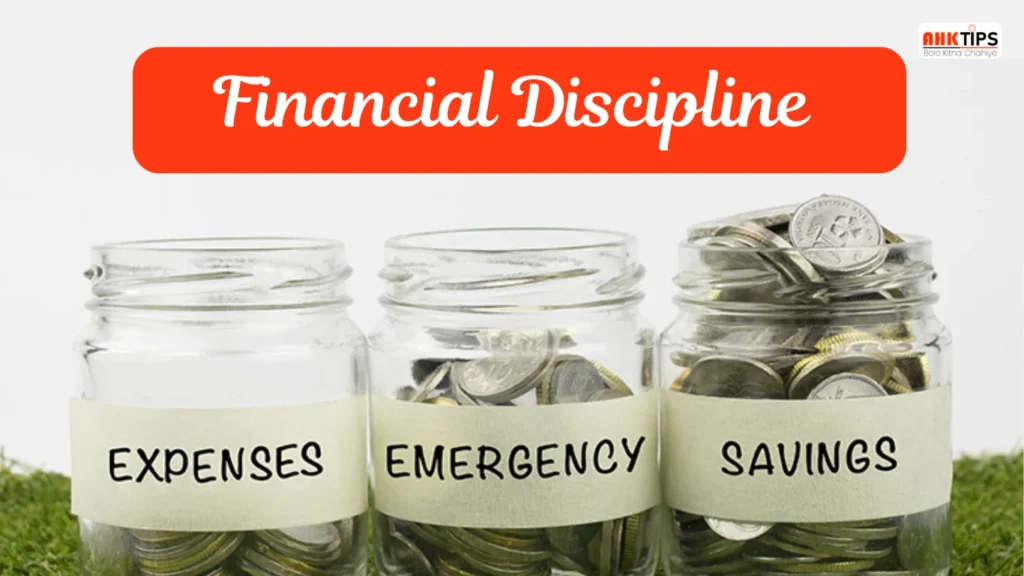


In today’s era, in view of the increasing trend of financial problems and debt, it has become very important to adopt Financial Discipline. It is not just limited to saving money or controlling expenses, but it is a thinking and lifestyle that helps us to keep our future financially secure.
Financial Discipline means spending according to income, making a monthly budget, saving and investing regularly, and using credit or loans wisely. When we adopt these things seriously, we never have to face a difficult situation like loan settlement.
Many people are unable to pay EMI on time, increase credit card dues or take more loan than needed. To avoid these habits, it is important that we track our expenses, avoid unnecessary expenses and create an emergency fund. Also, it is also important to adopt financial literacy so that we can make the right decisions.
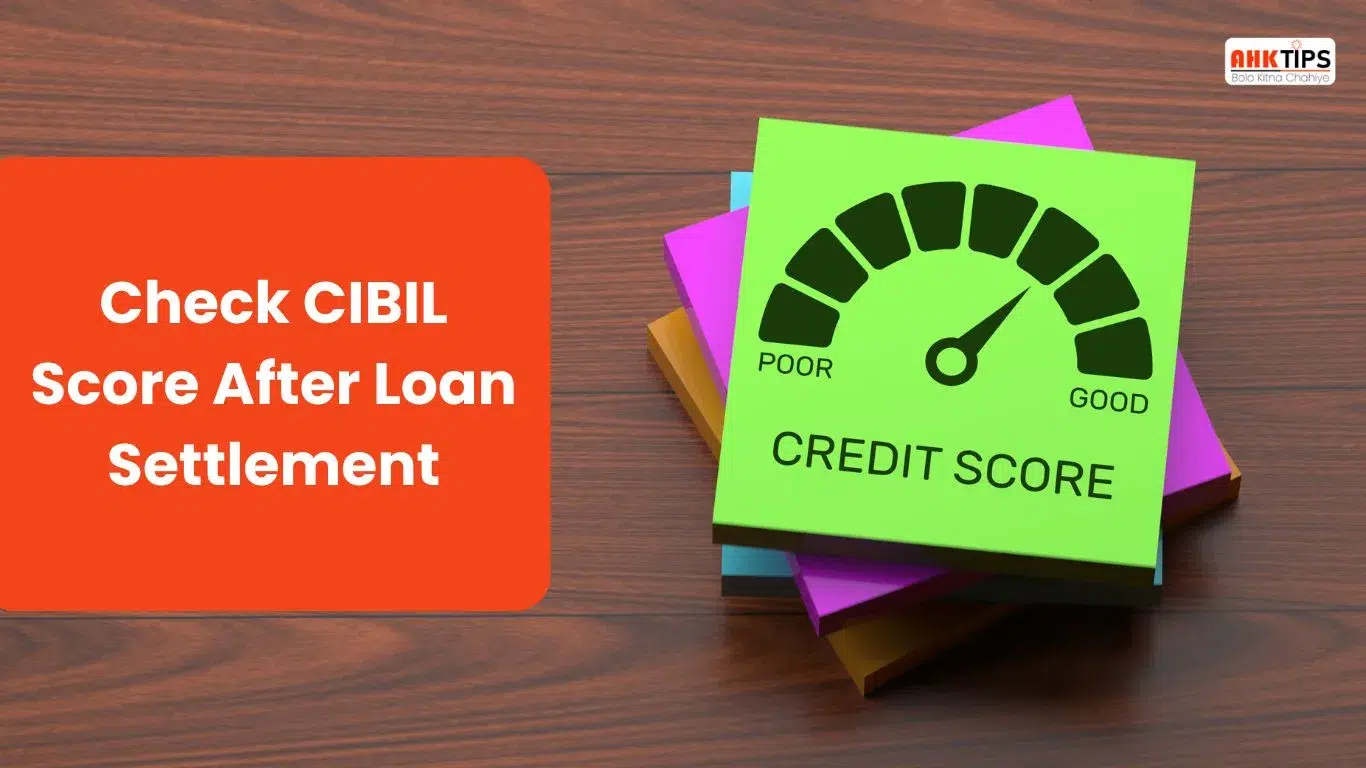
In today’s time, everyone wants to live a better life – a good house, a new car, expensive mobiles, foreign travel, and much more. To fulfill these dreams, we often take out loans, use credit cards, and cross the limits in spending. Everything seems good in the beginning, but gradually, when the EMI (Instalment) starts becoming heavy, credit card bills start increasing, and income does not increase as much, then the real problem begins. In such a situation, many people reach a situation of loan settlement, which not only spoils their CIBIL score but also makes it difficult to get a loan or credit card in the future.
But now the question arises – can this situation be avoided? Is it possible that we never come to a situation like the loan settlement? The answer is yes, it is possible, and the biggest solution to this is Financial Discipline.
Financial Discipline means maintaining a balance between your income and expenses, understanding the difference between need and desire, and developing the habit of saving and investing for the future. This is not a difficult task; just a little awareness and following a few rules are required. When you take your financial habits in the right direction, you not only improve your present, but also save yourself from financial crisis in the future.
In today’s article, we will learn in detail what is Financial Discipline, how it can be adopted, which habits make it strong, and which mistakes should be avoided so that you never have to face a situation like loan or credit card settlement. Along with this, we will also tell some easy and practical solutions which every person can apply in their daily lifestyle.
Financial Discipline means managing your income and expenses in a balanced and wise manner. It is a habit in which a person earns, spends, saves, and invests money wisely. It is very important to understand the difference between necessary and non-essential expenses.
For example – If your monthly income is ₹30,000, then you first spend on essential things like rent, ration, electricity-water bill etc. After that, you put some money in the savings account and then whatever is left, you fulfill your entertainment or hobbies with that. This wisdom is called Financial Discipline.
Below, we are telling you some easy and effective ways by which you can improve your financial life and avoid a situation like a settlement:
1. Making and following a budget
Make a budget at the beginning of every month – that is, how much you are earning and where you will spend it. Such as rent, ration, bills, school fees, transport, mobile recharge, etc. Then, spend according to this budget and avoid non-essential things.
2. Understand the difference between need and desire
We often spend our desires considering them as needs, such as expensive clothes, branded phones, eating out frequently, etc. Spend on needs, and give some time to desires. This will save money, and you will not have to take unnecessary loans.
3. Give priority to savings
Every month, put at least 20% of your income in savings. Set it aside first, then spend the rest of the money. You can invest in places like RD, FD, or mutual fund SIP.
4. Use credit cards and loans wisely
Use credit cards only when you can pay the bills on time. Do not take loans unnecessarily, and the EMI of the loan you are taking should not exceed 30-40% of your salary.
5. Create an emergency fund
Any unexpected expense can arise at any time – like illness, job loss, car breakdown, etc. Save at least 6 months’ worth of expenses separately for such so that you do not have to take a loan.
Loan Settlement is a process in which you negotiate with your creditor to forgive a part of the outstanding amount on your Loan by making a lump sum payment. It is an agreement that you make with your card issuer as a last resort when you see that your Loan debt is increasing.
This can happen due to many reasons, ranging from unnecessary spending to careless spending habits. When your debt increases, the interest on it also increases, which can make it difficult for you to repay the outstanding amount. If you do not see any way out of this, then you can recommend a Loan Settlement.
Below are some common reasons:
Let us know what documents are required for a Loan Settlement.
1. ID Proof
2. Address Proof
3. Income Proof (if required)
4. Loan Statement
You will have to provide the Loan statement to give the correct information about your outstanding balance. The bank can also generate this statement itself, but sometimes they ask you for a copy of it.
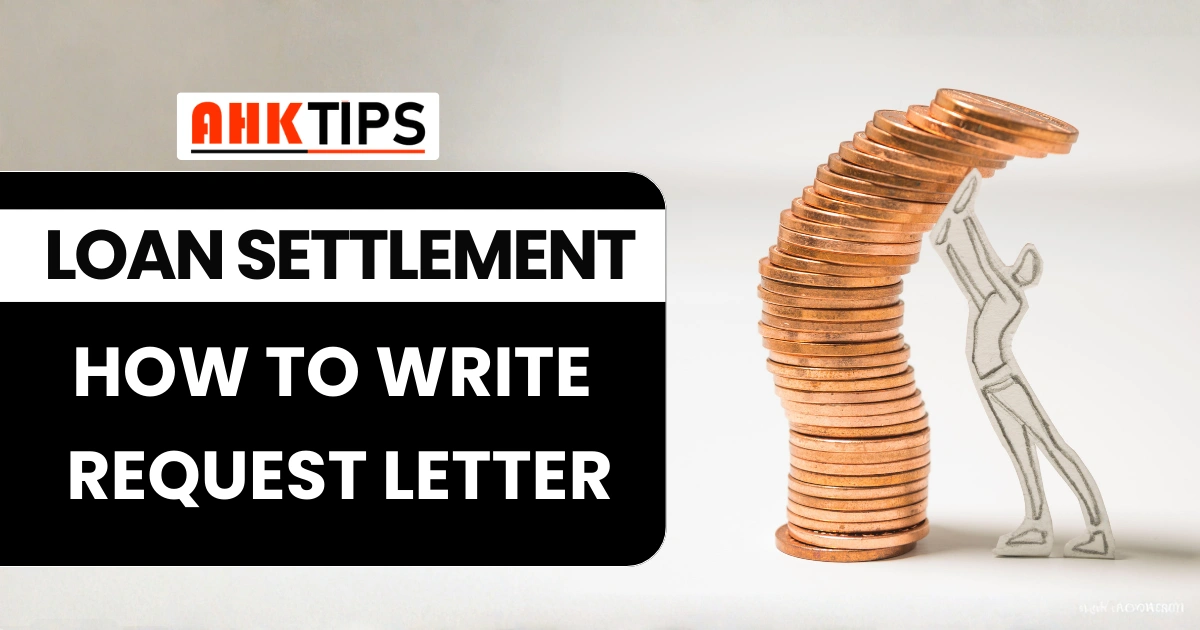
5. Settlement Request Letter
If you are approaching the bank for settlement on your own, you will have to give a written Settlement Request Letter in which you can explain:
6. Settlement Offer Letter given by the bank
When the bank agrees to the settlement, they give you a Settlement Offer Letter. Read it carefully and confirm the amount and terms mentioned in it.
Below are some steps that should be followed before a Loan Settlement:
If you are unable to pay your Loan dues and are troubled by heavy interest rates, a Loan Settlement can be a possible solution. Under this process, the bank or Loan company can waive off part of your total outstanding amount and give you the option to make a lump sum payment (One-time Settlement). However, this can affect your CIBIL score, so adopt it only as a last option.
A settlement can hurt your credit score. The impact can be seen in the following ways:
Let us know what the benefits of doing a Loan Settlement are:
Let us know in detail what the disadvantages of doing a Loan Settlement are.
In today’s time, financial problems have become an important part of everyone’s life. People take out loans, use credit cards, and sometimes spend more than their income. When you are unable to pay on time, a situation like loan settlement arises, which harms your credit profile in the future.
But if you adopt financial discipline, then such a situation will not arise. The suggestions given below will help you in that direction.
1. Spend according to income
First of all, understand that you should not spend more than you income. Set a spending limit according to your monthly income. If you spend less than you income, you will never need a loan.
2. Make a budget and follow it
Make a budget at the beginning of every month, which includes rent, ration, bills, children’s fees, travel expenses, etc. Put this budget on the wall or track it in a mobile app. This will give you a complete picture of your expenses.
3. Pay Yourself First
At the beginning of every month, put at least 20% of your income in savings or investments. Instead of spending this money, set it aside. Later, spend the remaining money.
4. Differentiate between need and greed
Many times, what we buy is not a need, it is just a greed – like a new mobile, branded clothes, or frequent online orders. If you control these, a lot of money can be saved.
5. Limit the use of credit cards and loans
Use credit cards only when you can pay the entire bill on time. Do not take loans without need, and if you do, then its EMI should not be more than 30% of your salary.
To live a life that is financially safe and stress-free, it is essential to become financially disciplined. When we incur expenses without planning, make too much use of credit cards or loans, and do not even bother about saving or investments, then slowly, we become caught up in debt. Because of this, most individuals find themselves in a position where they are forced to turn to means such as loan settlement, which can lead to further issues for them in the future – such as declining CIBIL score, loss of faith in banks, and inability to secure new loans.
But the positive aspect is that if we incorporate some small habits in our daily life, such as – preparing a monthly budget, spending less than income, saving regularly, planning investments, knowing the difference between need and desire, and paying bills or EMIs on time – then we can manage our financial life to a large extent.
Apart from this, creating an emergency fund, increasing financial literacy, and thinking before making big expenses or loans also make you financially strong. By following all these things, financial balance will be maintained in your life, and you will never reach a point where you need to take a step like settlement.
Que: Does maintaining financial discipline prevent settlement?
Ans: Yes, if you follow financial discipline – like timely payments, limited debt, and rthe ight investments – then in 90% of cases, it will not be required because your financial position will remain balanced.
Que: Is having a credit card against financial discipline?
Ans: No, having a credit card is not wrong. But if you use it in the wrong way – like not paying the entire bill on time, spending unnecessarily – then it can harm discipline. If used responsibly, it can also be beneficial.
Que: Is saving only financial discipline?
Ans: No, saving is a part of financial discipline. Along with this, making a budget, controlling expenses, managing debt, and making the right investments are equally important.
Que: If I miss my EMI, am I not in discipline?
Ans: It is human to miss an EMI accidentally once or twice, but if it happens repeatedly, it shows a lack of financial discipline. In such a situation, set an alert or get auto debit so that payment can be made on time.
Que: Can Financial Discipline be taught?
Ans: Yes! Financial Discipline can be taught to children, youth, and even adults. It can be learned from books, courses, videos, and personal experiences.

Founded in 2015, Ahk Tips is a New Delhi-based financial advisor specializing in debt relief and loan management solutions.