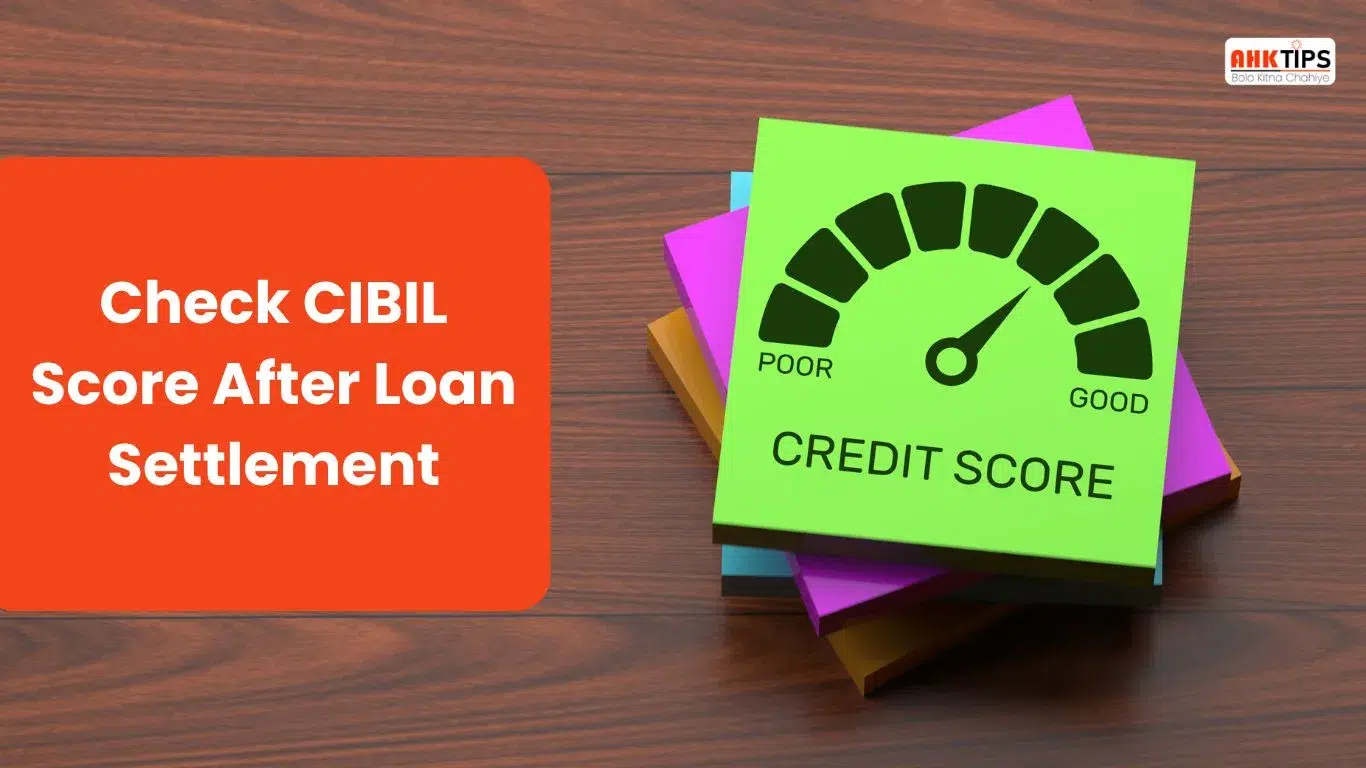

Your CIBIL score is a 3-digit figure between 300 and 900 that indicates your creditworthiness. It assists banks and lenders in determining whether to approve your credit card or loan application. Your score is good if it’s above 750, and it improves your chances of getting credit with ease, with lower interest rates and quicker approvals.
Some parameters impact your CIBIL score. Most crucial among these is your repayment history. Timely payment of EMIs and credit card bills raises your score, but tardy or missed payments lower your score. The rest are credit usage (the percentage at which you use your credit limit), loan/credit application instances, mix of credits (secured vs. unsecured), and settlement/loans default, if any. Any mistakes, no matter how minor, on your credit report also reduce your score.
If your score drops, don’t worry—it can be corrected. A few points to increase your score are making all dues in time, keeping the usage under 30% of your limit, not applying for unwanted loans, and checking your credit report for mistakes at regular intervals. Also, wherever possible, avoid settlements of loans as they place a negative remark.
After you’ve paid off a loan, perhaps the most important thing you can do for your financial health is to verify your CIBIL score. While most people assume that once they’ve paid a loan, that’s the end of the situation, the fact is that your financial journey hasn’t ended as yet. Your CIBIL score, which is a three-digit figure ranging from 300 to 900, plays an important role in your future approvals for loans and credit cards.
If you settle a loan, especially if it was a settlement and not a full payment, your credit score may be affected. The bank can report this to the credit agency as “settled” instead of “closed,” which will harm your score. It is therefore very important to check your CIBIL score after settling a loan. It tells you where you are financially, if there has been any negative impact on your credit report, and what else you have to do to improve it.
The good news is—you don’t have to pay for checking your CIBIL score. There are several ways to check your credit score for free of cost on the web. In fact, as per RBI rules, CIBIL (Credit Information Bureau India Limited) allows every individual to check their credit report for free once a year. Other free websites and mobile apps also let you check credit scores, though sometimes only updated monthly.
Here in this tutorial, we will guide you step by step on how to check CIBIL score for free after loan settlement, what does low CIBIL score mean, and how to fix CIBIL score. It is especially beneficial if you are about to avail home loan, car loan, or personal loan soon.
A CIBIL Score is a three-digit number that reflects how good or bad your credit history is. It ranges from 300 to 900, with a higher number reflecting better credit health. This score is prepared by CIBIL (Credit Information Bureau India Limited), which collects your loan and credit card repayment information from lenders and banks.
When you take a loan or a credit card and return the money within time, your CIBIL score goes up. But if you default on payments, postpone EMIs, or settle the loans with a partial payment, your score can go down. Banks verify your CIBIL score before granting you any credit card or loan to understand how much you are with money.
For example, if your score is higher than 750, banks can confidently lend to you. If your score, however, dips below 600, they will reject your proposal or charge more interest. So, your CIBIL score serves as a sort of financial report card—it signals banks whether you are a good borrower or a bad borrower.
Your CIBIL score is derived from a mix of factors based on your payment history and credit usage. The following are the most important things that can influence your score:
Payment History:
This is the most important factor. Your score will be better if you make your loan EMIs or credit card payments on time. But missed payments, defaults, or skipped EMIs will lower your score.
Credit Utilization Ratio:
This is the amount of credit you’re using relative to your credit limit. If your credit limit is ₹1,00,000 and you’re using ₹90,000, it’s high usage. Using more than 30% of your limit regularly can harm your score.
Number of Loan/Credit Card Applications:
When you accumulate too many credit cards or loans in a brief period, you make a whole lot of “hard inquiries” on your file.
Credit Mix:
To have an even split between secured (house, car) and unsecured (credit card, personal loan) credit is optimal. Without secured credit, your credit will mature faster.
Length of Credit History:
The longer your credit history, the better the good factor. If you’ve had a credit card or a loan for years and paid it responsibly, that is good for your score.
Loan Settlements or Write-offs:
If you settle a loan for less than the amount due or if the bank writes off your loan as bad debt, it places a negative entry on your credit report and reduces your score.
At some point, inaccurate information like outstanding loans or personal information in error will appear on your credit report. These types of errors will affect your score until they are fixed.
A good CIBIL score is usually a score of 750 and higher. CIBIL scores vary between 300 and 900, and the greater your score, the more likely it is for you to get a loan or credit card. Banks and lenders will view you as a good borrower if you have a score of 750 and higher, and they will even lend money to you with lower interest rates and quicker approvals.
Here’s the easy explanation:
The CIBIL score is important when you avail a loan or credit card because it reflects your creditworthiness—whether you will be able to repay the amount on time or not. Banks and lenders seek your CIBIL score before lending to you. If your CIBIL score is high (750 or above), they are more confident that you will be able to repay the loan or credit card dues without any hassle. This means you will get fast approval and lower interest rates.
Or, if your CIBIL score is bad, the lender may consider you a riskier customer. They can reject your application or provide you with a loan with a higher interest rate, so you will pay more in the long run.
So, your CIBIL score is a report card of your credit history. It makes or breaks the banks to lend you money or not. A good rating opens up better loan options for you, while a low rating can put you in a soup getting credit at times when you may be in the greatest need of it.
If your CIBIL score lowers, do not worry—it can be improved through some smart and prudent steps. Here are a couple of easy ways to improve your score in the long run:
Loan Settlement is a process in which you negotiate with your creditor to forgive a part of the outstanding amount on your Loan by making a lump sum payment. It is an agreement that you make with your card issuer as a last resort when you see that your Loan debt is increasing.
This can happen due to many reasons, ranging from unnecessary spending to careless spending habits. When your debt increases, the interest on it also increases, which can make it difficult for you to repay the outstanding amount. If you do not see any way out of this, then you can recommend a Loan Settlement.
Let us know what documents are required for a Loan Settlement.
1. ID Proof
2. Address Proof
3. Income Proof (if required)
4. Loan Statement
You will have to provide the Loan statement to give the correct information about your outstanding balance. The bank can also generate this statement itself, but sometimes they ask you for a copy of it.
5. Settlement Request Letter
If you are approaching the bank for settlement on your own, you will have to give a written Settlement Request Letter in which you can explain:
6. Settlement Offer Letter given by the bank
When the bank agrees to the settlement, they give you a Settlement Offer Letter. Read it carefully and confirm the amount and terms mentioned in it.
Below are some common reasons:
Below are some steps that should be followed before a Loan Settlement:
If you are unable to pay your Loan dues and are troubled by heavy interest rates, a Loan Settlement can be a possible solution. Under this process, the bank or Loan company can waive off part of your total outstanding amount and give you the option to make a lump sum payment (One-time Settlement). However, this can affect your CIBIL score, so adopt it only as a last option.
After you settle a debt, you also need to check your CIBIL score so that you are aware of how the settlement affects your credit health. The best thing is that your free CIBIL score is available on the internet. These basic actions will help you navigate:
1. One should visit the official CIBIL website.
Visit the official Trans Union CIBIL website at www.cibil.com.
2. Click “Get Your Free CIBIL Score”
Visit the home page and search for the option titled “Get Your Free CIBIL Score.”
3. Log in or register
Beginning Users: You will have to register providing details including your name, birthdate, email address, phone number, PAN card number.
Former Users: Just log in with your credentials.
4. Verify Your Name
To authenticate yourself, respond to a few questions derived from your credit report.
5. View Your Free Credit Report.
You can view your credit record and a free one-time CIBIL score once you have been confirmed. Your report will reveal your most recent credit account score and record of loan settlement status.
A settlement can hurt your credit score. The impact can be seen in the following ways:
Let us know what the benefits of doing a Loan Settlement are:
Let us know in detail what the disadvantages of doing a Loan Settlement are.
Now, your CIBIL score is your identity in terms of money. It indicates how good you are with money, especially loans and credit cards. Having a good CIBIL score (usually more than 750) assists you in getting a loan or credit card at more favorable terms, like lower interest, larger loans, and faster approval. On the other hand, a poor score makes your journey in money tight. Banks will reject your loan request or impose higher interest, and that will be stressful.
There are many reasons why your CIBIL score may fall, like delaying an EMI payment, overspending on your credit limit, taking too many loans at one time, or settling loans for a lesser amount. But don’t worry, your score doesn’t last. You can improve your CIBIL score by performing little but substantial things, like paying all dues on time, being cautious while using your credit card, checking your credit report for errors regularly, and having a good mix of credit.
Also, after repaying a loan, most people worry about their credit score. But if you keep patience and are responsible for your future credit behavior, the score can become better over time. It could take a couple of months for you to experience the impact, but with determination, your score will rise once again.
Que: Why CIBIL Score drop after the settlement?
Ans: When you “settled” the loan, the bank took it as a partial payment and not as a full payment. It indicates your credit behavior as poor, which drops your CIBIL Score.
Que: Does the IBIL Score increase after settlement?
Ans: Yes, if you make EMIs and bill payments timely in the future, utilize credit limit judiciously, and form new credit habits, the score will improve slowly.
Que: How is a settlement different from full payment?
Ans: Full payment implies that you have paid the entire loan or outstanding balance, whereas settlement implies that you have paid some amount as per the agreement with the bank, which is not a full payment.
Que: Can a settlement be deleted from the CIBIL report?
Ans: Once the Settlement is included in the report, it stays for 7 years. But you can attempt to change the status to “Closed” from the bank’s side, but that also varies according to the bank’s policy.
Que: How long do I have to wait for the score to pick up after Settlement?
Ans: If you have a good financial history for 6 to 12 months consecutively, the score can get better over time. But it varies with the report of an individual.

Founded in 2015, Ahk Tips is a New Delhi-based financial advisor specializing in debt relief and loan management solutions.