

Loan Closure and Loan Settlement are both procedures of ending a loan, but they have many differences between them. Loan Settlement is performed when the borrower cannot repay the whole loan amount and settles with the bank, where the bank forgives some portion of the loan.
But this adversely impacts the CIBIL score and may make it difficult to get a loan in the future. It is generally carried out when the borrower is undergoing a severe financial crisis. Alternatively, Loan Closure takes place when the borrower repays the entire loan amount (interest and principal) and closes the loan completely.
After this, a No Objection Certificate (NOC) is issued by the bank, which proves that the loan has been fully repaid. Loan Closure has a positive impact on the CIBIL score, and there are no problems in getting a loan in the future. If you can repay the full loan amount, then loan closure is the best option as it provides financial stability and maintains your credit score.
Loan Settlement and Loan Closure are both financial terms that relate to the final stage of a loan, but their meaning and processes are different. First of all, it is important to understand that whenever a person takes a loan, he takes the responsibility to repay it within a certain time. If, for some reason, he faces any difficulty in repaying the loan, then he can face two options: Loan Settlement or Loan Closure.
Loan Settlement happens when the loan is not repaid in full, and the borrower negotiates with the bank or financial institution and decides that he will repay a part of the loan and the rest will be waived off. In this process, the rest of the loan, which cannot be repaid in full, is waived off by the bank or lending agency.
On the other hand, Loan Closure means paying off the loan in full and ending it completely. When the borrower pays off his entire loan, including interest and any charges, the loan is closed. There is no compromise in the loan closure process; rather, the loan is made inactive by paying off the entire amount.
In this article, we will understand the difference between loan settlement and loan closure in detail. Both these processes are related to repaying the loan, but there are important differences between the two.
It is a financial process in which the bank or financial institution allows the loan taker to settle the loan by paying a lesser amount instead of paying the entire outstanding loan amount. This facility is for those who are unable to repay their loan on time due to some reason and are continuously defaulting.
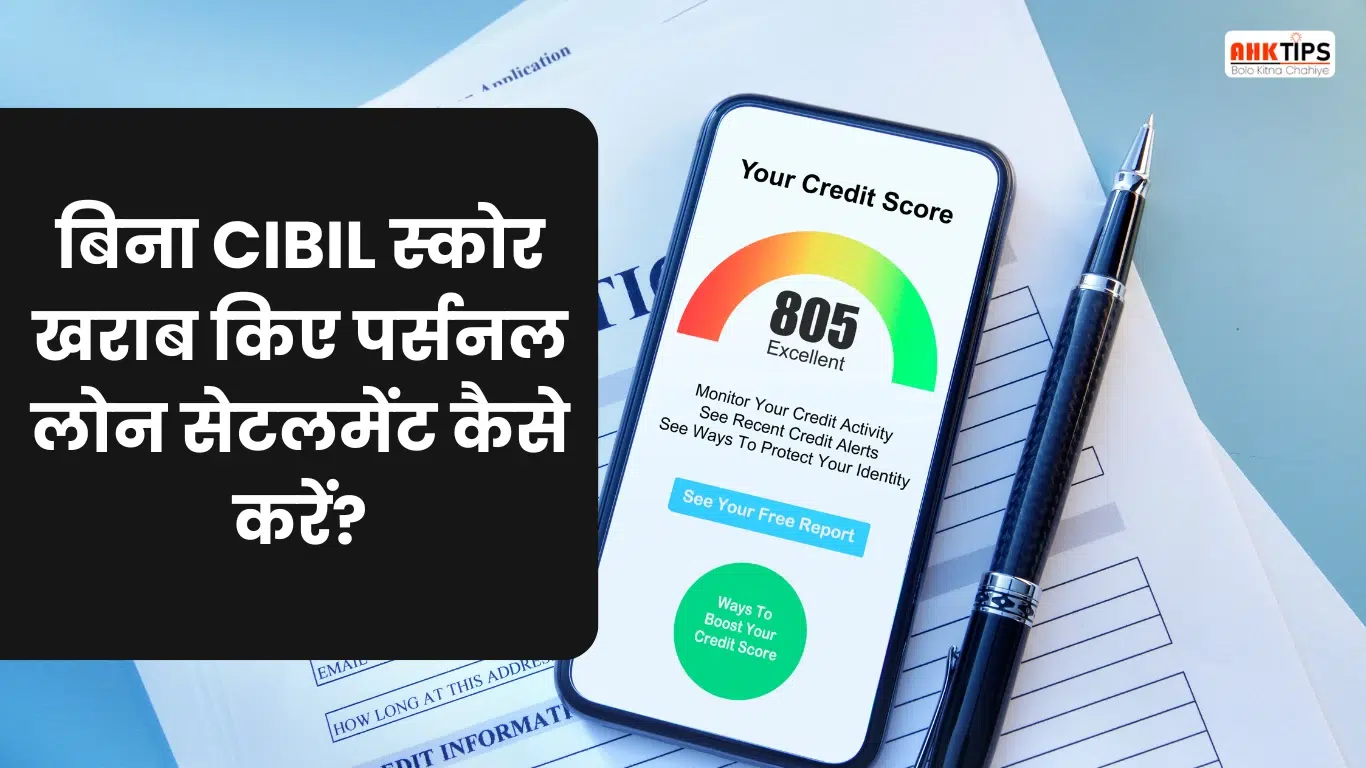
Under a settlement, the bank can agree on a lump sum amount, which closes the loan. However, it is important to note that settling the loan can affect your CIBIL score, which may make it difficult for you to get a loan in the future. Therefore, it should be adopted only as a last option.
When a person is unable to pay the EMI of his loan on time and the outstanding amount accumulates over a long period, the bank or financial institution offers the option of loan settlement. In this, the bank allows the customer to pay a discounted amount instead of the entire outstanding amount, thereby settling the loan matter.
The process of settlement comprises discussions between the bank and the customer, wherein the bank assures that the customer can’t pay the entire loan amount. Thereafter, the bank issues a single-payment offer, which is typically lower than the outstanding loan balance. On the payment of this settled amount by the customer, the bank marks the loan as “Settled”. Yet, this is not good for the CIBIL score since it is not treated as a “Complete Payment”.
Let us understand both of these in detail:
The following documents are required:
If you want to apply it online, then follow the easy steps given below:
The impact can be seen in the following ways:
Here are some important points to consider that will help you choose the right Loan Settlement service:
Before hiring a settlement service, make sure that the service provider you are hiring is registered and certified with financial institutions and banks. Only a reliable service provider can provide you with the right guidance and support. Checking online reviews and customer feedback is a good way to do so.
Many service providers also charge a service fee, but make sure that the charges are not high and there are no hidden costs. Negotiate with the service provider beforehand about which services are free and for which you will have to pay extra.
Carefully understand the settlement process offered by the service provider. Do they understand your entire situation and provide you with a better solution to negotiate with the bank? A good provider will give you complete information about the paperwork and the process so that you understand the entire process properly.
You should also ensure that the service provider is legally recognized and aware of all the rights that are associated with the settlement of your loan. This will prevent you from facing any legal hassles in the future.
Before choosing the settlement process, make sure that the service provider also gives you information about alternative solutions like loan restructuring or new payment plans. These options can sometimes be better than a settlement and do not hurt your CIBIL score.
A good service provider will always stay in touch with the customer and resolve your problems properly. Make sure they answer your questions quickly and are ready to work with you in any difficult situation.
If you are also trapped in the debt trap and are facing a financial crisis and want to adopt the path of Loan Settlement, then you can apply for our Loan Settlement service. We will help you in settling your loan. Along with this, we provide you relief from the burden of the loan within 6 – 8 months. If you want to get more information about our service, then you can contact us.
The time taken for the settlement process also depends on various factors, such as the policies of your bank or lender, the outstanding amount, and the communication between the two of you. Usually, this process can take from 1 to 3 months.
The first action in the process of settlement is to approach the bank, where you tell your problem and payment status to the bank. Then, the bank proposes a settlement offer according to your situation. In case you agree with that proposal, you need to pay the amount to the bank within the agreed time. The bank indicates the loan as settled, and this would take some time.
Although the purpose of both is to end the loan, there are many differences between the two.
Loan Settlement occurs when the borrower cannot pay the entire loan amount and reaches a settlement with the bank or financial institution. In this situation, the bank or institution takes a lesser loan amount from the borrower and waives off the rest of the loan. In this process, the borrower has to pay a lump sum amount, which is less than the entire loan. This usually happens when the borrower is going through a financial crisis or his repayment capacity is not being met.
Loan closure occurs when the borrower pays the entire loan amount, which includes both principal and interest. In this case, the loan is fully repaid, and the loan is closed by the bank or financial institution. When the loan is fully paid, the borrower is provided with a No Objection Certificate, which certifies that the entire loan amount has been repaid and the loan has been closed.
It has the following advantages and disadvantages:
Both loan settlement and loan closure are the process of ending the loan, but there are many differences between the two. Loan settlement occurs when the borrower is unable to pay the entire loan amount and obtains consent from the bank or financial institution to waive some amount. In this process, some part of the loan is waived, but it can hurt the CIBIL score, and it may be difficult to take a loan in the future.
On the other hand, loan closure occurs when the borrower pays the entire loan amount, which includes both principal and interest. There is no waiver in this process, but when the loan is fully repaid, a No Objection Certificate (NOC) is issued by the bank, which proves that the loan has been repaid and is now over.
Que: Does a loan settlement cause problems in getting a loan in the future?
Ans: Yes, a loan settlement can hurt your credit report, which may make it difficult for you to get a loan in the future.
Que: What is the effect on the CIBIL score after loan closure?
Ans: If you have repaid the entire amount after loan closure, then the CIBIL score is positively affected, as it reflects your credit responsibility.
Que: Can the remaining loan ever be repaid after the loan settlement?
Ans: After a loan settlement, the part waived by the bank or lending agency can never be repaid. However, if you have money, you can repay the remaining amount, but before that, you have to work, keeping in mind the settlement agreement.
Que: In how much time is the loan closure process completed?
Ans: The loan closure process can usually be completed in a few days to a week, provided you have paid the full amount and received all the documents from the bank.
Que: What should you consider before deciding on a loan settlement?
Ans: Before deciding on a loan settlement, you should consider your financial situation, the terms of the agreement with the bank, and the long-term implications of this process. It is also important to understand the impact on the CIBIL score.

Founded in 2015, Ahk Tips is a New Delhi-based financial advisor specializing in debt relief and loan management solutions.