

Sometimes, when a credit card holder is unable to pay the dues on time, the bank gives him a settlement offer, which is a proposal to settle the matter by paying less than the total outstanding amount. This may prove to be a convenient option, but there are some risks associated with it. Therefore, if a person decides to reject the settlement offer, he should understand its possible consequences well.
Firstly, if the customer rejects the offer and cannot repay the dues, then this decision can be positive from the point of view of the credit score. This leads to a ‘Closed’ status in his credit report, which can prove beneficial for any loan or credit card in the future.
On the other hand, if the person does not pay despite rejecting the settlement offer, the situation can get serious. The bank can not only send recovery agents but also initiate legal action, which can increase mental and financial stress.
In today’s time, using a credit card has become a common thing. People shop with a credit card for small and big needs, pay bills, or manage sudden expenses. But sometimes it becomes difficult for some people to pay the credit card bill. When payment is not made on time, the bank or credit card company gives an option, which is called a settlement offer. Under this offer, the bank offers the customer to settle for a fixed amount by giving a discount on the total outstanding amount.
Now the question arises that what will happen if the customer rejects this credit card settlement offer, that is, does not accept it? Will this affect his credit score? Will the bank take legal action against him? Or can there be some other options? Before understanding all these things in detail, let us know this process in a little simpler language.
First of all, let us understand what is a settlement offer. Suppose a person owes ₹ 1,00,000 and he is unable to repay it. In such a situation, the bank offers him that if he pays ₹ 70,000, then the remaining ₹ 30,000 will be waived off. This is a kind of compromise. But if the customer does not accept it, then the bank can force him to pay the regular dues.
In today’s article, we will know in detail what effects can happen to you if you do not accept the credit card settlement offer, whether it will spoil your credit report, and by adopting which options you can handle your financial situation. So let’s understand this topic in depth now.
Credit Card Settlement is a process in which you negotiate with your creditor to forgive a part of the outstanding amount on your credit card by making a lump sum payment. It is an agreement that you make with your card issuer as a last resort when you see that your credit card debt is increasing.
This can happen due to many reasons, ranging from unnecessary spending to careless spending habits. When your debt increases, the interest on it also increases, which can make it difficult for you to repay the outstanding amount. If you do not see any way out of this, then you can recommend a Credit Card Settlement.
The following are some of its main features:
Below are some common reasons:
Although both Personal Loan settlements and Credit Card Settlements aim to provide relief to the borrower, there are some important differences between them.
| Points of Difference | Personal Loan Settlement | Credit Card Settlement |
| Type | Settlement of any type of loan (personal, home, car, education, etc.) | Settlement of Credit Card dues only |
| Settlement Process | The bank fixes a lump sum amount, on payment of which the loan gets settled. | The credit card company settles the amount at a fixed rate. |
| Impact on CIBIL score | CIBIL score may drop by 50-100 points, and it may become difficult to get a loan in the future | There is a huge impact on the CIBIL score, and it may be difficult to get a new credit card. |
| Possibility of getting a loan in the future | You may face problems in getting a home loan, a car loan, or any other loan. | Credit card companies may refuse to issue the card. |
If, for some reason, you are not able to pay your credit card in full, then a Credit Card Settlement can be an option. In this, the bank or loan-giving institution (NBFC) settles your outstanding loan for a certain amount by giving a discount. But to complete this process, you have to submit some important documents.
Documents required for Credit Card Settlement:
1. Identity Proof
2. Address Proof
3. Income Proof
4. Loan Agreement
This is the document issued by the bank or NBFC at the time of giving the loan. It contains the details of the loan terms and your outstanding amount.
5. CIBIL Report
During a Credit Card Settlement, the bank checks your CIBIL score, which gives them information about your credit history. This report shows your credit behavior and current loan status.
6. Settlement Request Letter
If you want to get a Credit Card Settlement done, then you will have to give a written request letter to the bank, in which you will tell about your current financial situation and the need for settlement.
Below are some steps that should be followed before a Credit Card Settlement:
The process of Credit Card Settlement is explained below in simple terms:
A settlement can hurt your credit score. The impact can be seen in the following ways:
A credit card is a very useful financial tool, but if not used properly, it can also lead to heavy debt. Many times, people have trouble paying credit card dues due to financial difficulties. In such a situation, credit card settlement can be an option, but it often hurts the credit score.
However, by adopting some smart methods, you can settle your credit card without spoiling your credit score. Let us understand in detail how you can settle the credit card dues properly and keep your credit score safe.
(i) Discuss the repayment plan with the bank
If you are unable to repay the credit card dues in one go, then you can ask for an EMI or repayment plan from the bank. Many banks offer their customers the option of repayment under flexible payment terms, which allows you to pay gradually, and your credit score is also not affected.
(ii) Choose the option of balance transfer
If you have more than one credit card, you can transfer the balance to a credit card with a lower interest rate. This will help you avoid high interest and repay your debt gradually.
(iii) Pay by taking a loan
If your credit score is good, you can pay off the credit card by taking a personal loan. Usually, the interest rate of a personal loan is lower than that of a credit card, which can give you financial relief.
(iv) Negotiate with the bank
If your financial situation is bad and you cannot pay a lump sum, try to negotiate with the bank. Some banks offer customers flexible payment options instead of “lump sum settlement”, which keeps your credit score safe.
10 best ways to improve CIBIL score after credit card settlement:
1. Check the CIBIL report carefully
Before starting the process of improving your credit score, you should check your CIBIL report thoroughly. For this, you can download your report from the official website of CIBIL.
2. Change the settlement status to ‘Closed’
When you get a credit card settlement, the bank reports it as “Settled”. This status hurts your credit score.
3. Make all payments on time
The most important thing to improve your credit score is to make payments on time.
4. Get a new credit card and use it responsibly
If your credit score is not too bad, you can get a low-limit credit card and use it properly.
5. Keep the credit utilization ratio below 30%
Below, we are discussing some common mistakes related to Credit Card Settlement in detail:
1. Considering settlement as a loan waiver
Many people think that after settlement, all their dues are forgiven. Whereas the truth is that the bank does forgive you some amount, but the remaining payment is recorded as “Settled” in the report, which negatively affects your CIBIL score.
2. Not taking the settlement agreement in writing
While settling, people rely only on phone calls or verbal conversations, but without written consent, this is a big risk. If you do not have a written document, then in the future, the bank can start recovering the dues against you again.
3. Not checking the CIBIL report
After the settlement, it is important that you check your CIBIL report and ensure whether the status, like “Settled” or “Paid,” is updated correctly or not. Many times, banks forget to update the report, which affects your credit history.
4. Settling without complete information
People often settle due to the words of the agent or due to fear, without understanding what its effects will be. Whereas they should first consider options like EMI restructuring, part-payment, or asking for time.
5. Settling immediately due to fear of the bank’s recovery agent
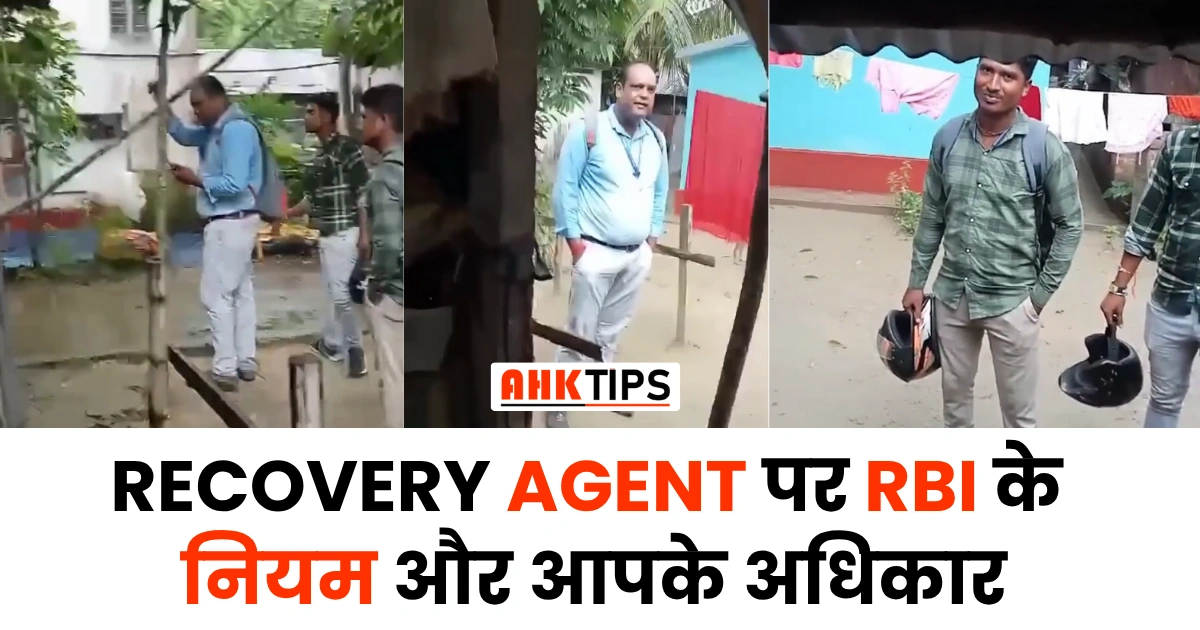
Many times, recovery agents threaten or intimidate on the phone, due to which people get scared and settle without thinking. Whereas you should be aware of your rights and not pay any amount without a written agreement.
In India, credit card settlement is a legal procedure accomplished by mutual agreement between the customer and the bank. This occurs when the client fails to pay the entire credit card debt; the bank works with him and waives off the remaining loan by deducting some sum. We know this as “settlement”.
Let us delve more to grasp it precisely:
The bank or card issuing company gets in touch with a consumer when someone is late in paying the credit card debt. Should the customer’s financial situation be very dire and he is unable to pay the entire amount, the bank provides an alternative: closing the account with a lump sum one-time settlement. Usually, this sum is less than the principal value.
Indeed, if it is carried out under appropriate supervision and documentation process, RBI has let banks go for “One Time Settlement” (OTS) or “Loan Restructuring”. RBI also makes clear, nevertheless, that banks should verify client payment capability and settle only in circumstances of a genuine financial crisis.
But be aware:
Here we will understand in detail how to get a Closure Letter from the Bank after settlement, as well as what things should be kept in mind.
Step-by-Step Process – How to get a Closure Letter:
1. Complete the settlement payment
First of all, make sure that you have paid the settlement amount decided with the bank in full and on time. If any installment is due, the bank will not give the Closure Letter.
2. Contact the bank
As soon as your settlement payment is completed, contact the bank’s customer care or credit card department. You should request that you be provided with a No Dues Certificate or Closure Letter in written form.
3. Send an email or a written application
After contacting the bank, you can send a written request through email or by post. Provide the following information in it:
4. Keep the payment receipt
Proof of the last payment made by you (receipt or transaction ID) is very important. Scan it and attach it to the email.
5. Follow up
Sometimes the bank delays issuing the closure letter. So if there is no response within 7-10 working days, keep following up via phone/email.
6. Receive the closure letter
Once the bank accepts your request, it will send you the closure letter via email or post. Keep this letter safe.
Let us know the answer to this question in simple language:
1. You will have to pay the entire outstanding amount
If you reject the Settlement Offer, it means that you are not making any compromise with the bank. In such a situation, the bank will recover the entire outstanding amount from you. It can also add interest, late fees, and other charges to it.
2. The bank can send a recovery agent
If you neither accept the settlement offer nor pay the dues, the bank will take the next step – sending a recovery agent. These agents contact you continuously and can put pressure on you to pay the money.
3. Legal action can also be taken
If the bank feels that you are deliberately not paying the money, they can send a legal notice against you and file a case in court. After this, you may have to appear in court, and after the court order, your property or salary may also be affected.
4. CIBIL score will not be affected (Positive Scenario)
If you do not take the settlement offer, and gradually pay the EMI or the full amount, then it has a good effect. This strengthens your credit history, and the CIBIL score remains better.
5. The option of negotiation remains open
Refusing the settlement offer directly may be your compulsion or strategy. If you think that you can negotiate better terms in the future, then you can ask the bank for the option of restructuring or easy EMI. Some banks show sympathy, especially if you are unemployed or your financial condition is temporarily bad.
It has many benefits, which are as follows:
It has many disadvantages, which are as follows:
Finally, it is important to understand that rejecting a credit card settlement offer is a serious decision that should not be taken without thinking. However, many aspects of this decision need to be considered.
First of all, if you have the ability and plan to repay the entire dues over time, then rejecting the settlement offer can be the right option. This will not only protect your CIBIL score but will also make it easier to get loans and credit cards in the future.
On the other hand, if you are not in a position to pay and are unable to make an alternative plan, then rejecting the settlement offer can increase your troubles. As a result, the bank may send a recovery agent or even take legal action against you.
Apart from this, if you think that the settlement offer is not right or a better settlement can be reached with the bank, then you can renegotiate. Many times, banks also provide the facility of EMI or restructuring, understanding the situation of the customer.
Que: Does applying for loans repeatedly spoil the CIBIL score?
Ans: Yes. Applying for loans or credit cards repeatedly makes the bank think that you are financially weak, which can further worsen your CIBIL score.
Que: Can the CIBIL score be improved just by paying EMI?
Ans: Yes, if you pay all your loan and credit card EMIs on time, it helps in improving the CIBIL score.
Que: Does closing a credit card spoil the CIBIL score?
Ans: Yes, if you close your old credit card, your credit history may decrease, which can hurt your CIBIL score.
Que: How to check CIBIL score for free?
Ans: You can check your CIBIL score for free from the official website of CIBIL or some banks and finance apps like Paytm, Bajaj Finserv, PaisaBazaar, BankBazaar, etc.
Que: What to do if there is a mistake in the CIBIL report?
Ans: If there is a mistake in your CIBIL report, you can go to the official website of CIBIL and file a complaint in the “Dispute Resolution” section. CIBIL can correct the mistake by examining your complaint.

Founded in 2015, Ahk Tips is a New Delhi-based financial advisor specializing in debt relief and loan management solutions.