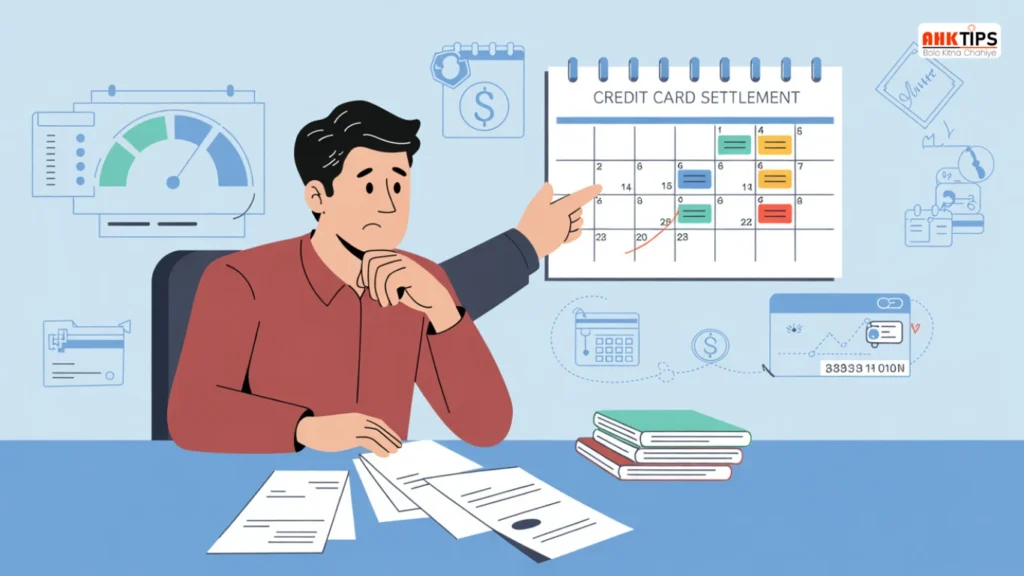
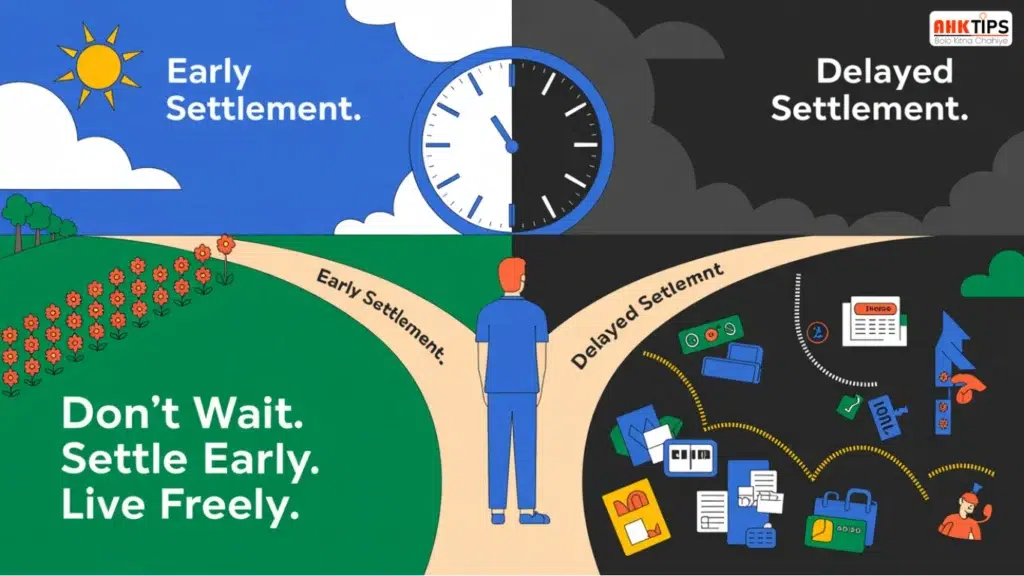


Loan settlement is a process that helps borrowers who are unable to repay their loans due to financial problems like loss of job, sickness, or loss of business. In Delhi, many individuals and small businesspersons are facing financial stress because of the high cost of living and tough market conditions. If repayment of monthly EMI is difficult, loan settlement can be some help.
Here, the borrower requests the bank or institution to receive a part of the remaining loan amount as the last payment. The bank will take into account the condition of the borrower and may agree to the settlement of the loan for a lesser amount. Once paid, the loan is marked as “settled” in the borrower’s credit report instead of “closed”. This helps avoid further penalties and legal actions.
But it must be brought to attention that loan settlement harms your CIBIL score and possibly impedes the ease of availing loans or credit cards in the future. Settlement thus needs to be taken recourse to only when all other options fail. Rather than having a settlement, Delhi borrowers must attempt to restructure a loan, particularly if they have an overdues situation, or opt for an EMI moratorium or refinance.
In today’s fast-moving world, taking a loan has become extremely common. Whether it is for buying a house, a car, for business, or even for personal needs, the majority of people in Delhi use loans to meet their needs. But sometimes life does not go as planned. An individual may lose their job, face a loss in business, or have sudden medical expenses. In such a scenario, paying the loan back on time is extremely tough. When one cannot repay the loan, they can begin to receive calls and notifications from the bank. This is where loan settlement takes over.
Loan settlement is a procedure wherein the bank accepts a lower amount than the loan amount due. It is not like a normal loan closure. In a regular closure of the loan, the borrower makes all the EMI payments as per the schedule and pays back the loan. But in a settlement of the loan, the borrower comes to the bank with the reason of financial distress and requests the facility of paying a part of the outstanding loan as full and final settlement.
In Delhi, owing to the rising cost of living and personal expenses, the majority of individuals are finding it difficult to pay their monthly EMIs. Under such circumstances, settlement of the loan is gaining popularity, especially among middle-class families, small business owners, and salaried individuals who face sudden financial stress.
This article will take you through all the aspects of loan settlements in Delhi—what it is, how it functions, pros and cons, legal rights, step-by-step process, how to deal with banks and agents, and FAQs. If you or someone close to you is stuck with loan repayment issues in Delhi, this guide can be helpful with information and practical steps to escape the predicament.
It is a financial process in which the bank or financial institution allows the loan taker to settle the loan by paying a lesser amount instead of paying the entire outstanding loan amount. This facility is for those who are unable to repay their loan on time due to some reason and are continuously defaulting.
Under a settlement, the bank can agree on a lump sum amount, which closes the loan. However, it is important to note that settling the loan can affect your CIBIL score, which may make it difficult for you to get a loan in the future. Therefore, it should be adopted only as a last option.
Loan Settlement Companies negotiate with creditors to reduce the outstanding amount on unsecured loans such as credit cards, medical bills, or personal loans for you. Loan Settlement is not just an option for secured loans, such as mortgages or auto loans.
These offers tempt banks only if they believe you won’t repay the loan. A Loan Settlement company will suggest stopping payments immediately. They’ll recommend opening an escrow account for your monthly payments. Once you save enough for a lump sum, the company handles the settlement.
The following documents are required:
Let us understand both of these in detail:
If you’re trapped in a debt cycle and facing a financial crisis, you might consider Loan Settlement in Delhi. Our service can help you. We will assist you in settling your loan. Besides this, we give you relief from the loan burden in 6 – 8 months. If you wish to get more information regarding our service, then you may contact us.
If you join our service, we settle your loan within 30% of your total outstanding loan. Along with this, we also charge some fees for settling your loan, which is usually 12% of your total outstanding loan.
For example, suppose you have an outstanding loan of Rs 1 lakh; then we will settle it for 30% of it, i.e., Rs 30 thousand, and as a fee for this, we will charge 12% of your total outstanding loan,i.e., Rs 12 thousand. That is, your loan of Rs 1 lakh will be settled for a total of Rs 42 thousand.
If you do not like the option of a Settlement, then you can also consider some other options, such as:
The impact can be seen in the following ways:
If you join our service, we settle your loan within 6 – 8 months. But it also depends on your loan outstanding, how much loan is outstanding on you. If you have a large loan outstanding, then it may take us 1 to 2 years to settle it.
It has the following advantages and disadvantages:
If you want to apply it online, then follow the easy steps given below:
1: Visit the bank’s website or app
2: Check the customer support section
3: Fill out the request form for settlement
4: Upload the required documents
5: Submit and wait for the bank’s response
6: Read the bank’s offer
7: Make payment
Short and sweet, if you’re a resident of Delhi and finding it tough to pay back your loan, then settlement can be done—but as a last option. Settlement is when your bank closes your loan account by accepting less value of money than what you need to pay back. But take utmost care while performing the process so that you don’t get yourself into more trouble. Before proceeding for settlement, always attempt alternatives such as EMI restructuring, loan refinancing, or asking for a grace period from the bank.
If settlement is the only option, ensure to take everything in writing from the bank, particularly the NOC and the settlement conditions. Also, remember that loan settlement will reflect on your CIBIL score, which can create issues in the future when applying for a new loan or credit card.
It is always wise to consult a financial advisor or a legal expert before initiating the settlement process. If you take proper advice and are truthful to the lender, then you can escape from the debt trap without any legal problems or mental stress. Always keep in mind, settling a loan is not the end; it’s the start of living good financial discipline and a good credit life.
Que: Do I need an advisor or lawyer for a loan settlement?
Ans: No, it is not necessary, but it will be nice to have a financial advisor or legal expert so that you can understand your rights and won’t sign anything unjust.
Que: Will the bank issue me a No Objection Certificate (NOC) upon settlement?
Ans: Yes, once you have finalized the loan as full and final, you may request an NOC and settlement letter from the bank. Store them for reference purposes in the future.
Que: Is the process of settling a loan a legal process?
Ans: Yes, the settlement of a loan is legal, but you must undertake it with decent communication and paperwork with the bank.
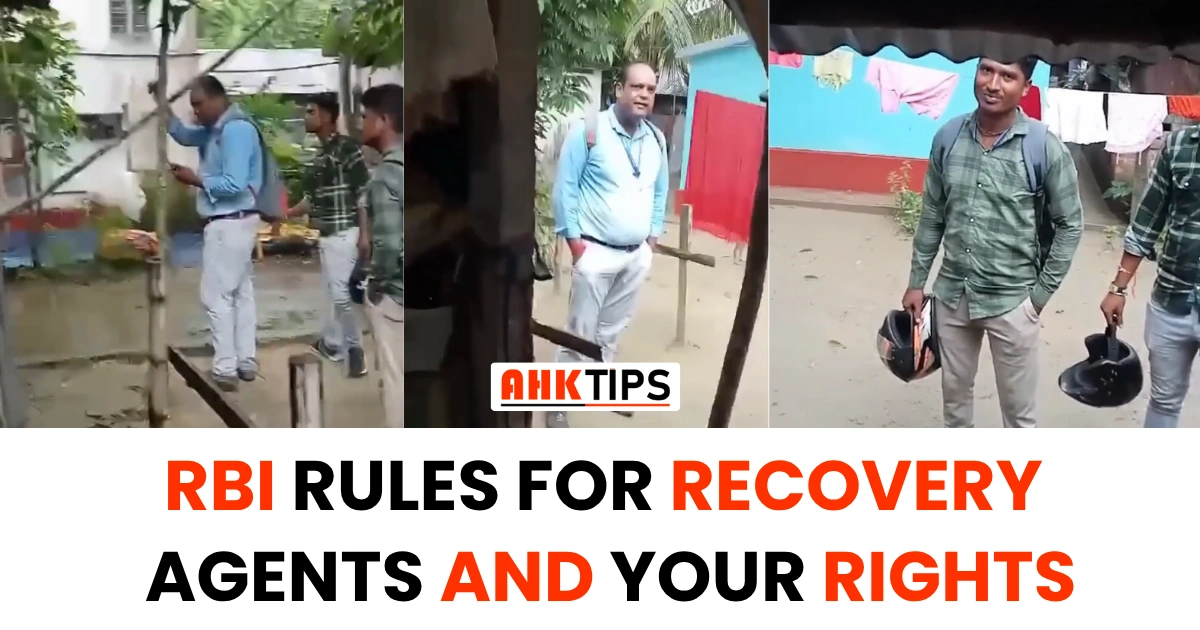
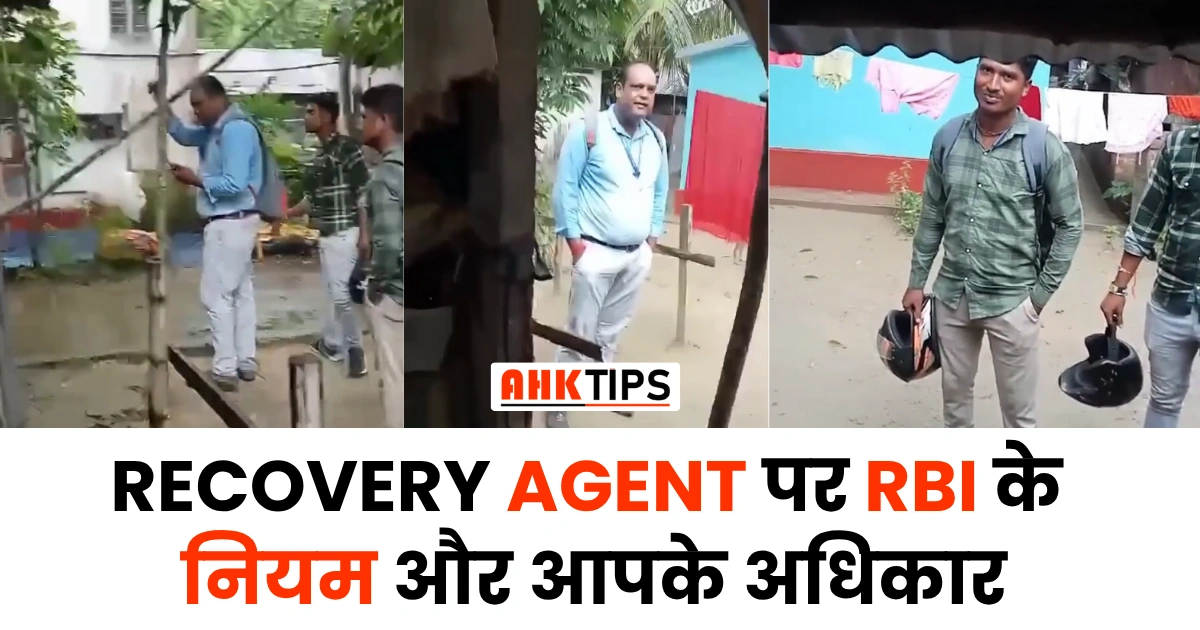
Que: Will recovery agents bother me if I am proceeding toward a settlement
Ans: No. As per RBI guidelines, recovery agents are not supposed to threaten or harass you. If they attempt to do so, you can go to the bank or police station and register a complaint.
Que: Is there any Delhi government scheme for loan settlement?
Ans: Currently, there is no specific government scheme for loan settlements in Delhi. However, one-time settlement schemes are provided by some banks during financial emergencies like the COVID-19 crisis.

Founded in 2015, Ahk Tips is a New Delhi-based financial advisor specializing in debt relief and loan management solutions.