

Credit card debt (credit card settlement) can get really overwhelming quickly, especially if there is a high rate of interest and compounded interest in the monthly payment. A credit card loan settlement might be one option for individuals with a heavy debt load but not enough resources to make the payments. But is it a good idea? Let’s delve into what a credit card settlement is, its pros and cons, its effect on credit score, and whether or not it’s a good idea for you.
A settlement is a credit card debt relief option under which the credit card company agrees to accept a reduced lump-sum payment for less than what is owed. This may be possible when a person or family can’t pay the required monthly minimum payments, helping them get out of this situation and often at some discount. A portion of debt is considered “forgiven” but still marked as “settled,” not “paid in full.”
Generally, negotiation with the credit card company or hiring a debt settlement company to negotiate the deal is involved in a credit card settlement. They will accept a reduced sum that varies between 40-60% of the balance originally. However, creditors may ask for a lump-sum payment or arrange a short-term instalment plan.
Here’s a brief outline of the settlement process:
Credit card settlement offers a number of benefits, especially for people who have been experiencing serious financial struggles:
The settlement provides a means to settle debt for a lower amount than that owed and is therefore highly relieving.
Settlement may be a better alternative for some as bankruptcy can be a much more detrimental and long-term effect on credit.
A settled account frees you from legally owning that forgiven amount and you are relieved of it.
When you settle your account, you no longer have monthly payments on that credit card and you will have free cash for other expenses.
While settlement can offer immediate relief, it’s not without drawbacks:
Credit card settlement negatively impacts your credit score, as it indicates you didn’t fully repay the debt.
The IRS may consider forgiven debt as taxable income. For instance, if you settle a Rs 10,000,00 debt for Rs 6,000,00 the forgiven Rs 4,000,00 could be subject to income tax.
If you use a debt settlement company, fees can be substantial. Settlement companies often charge a percentage of the settled amount or a flat fee, which can add up.
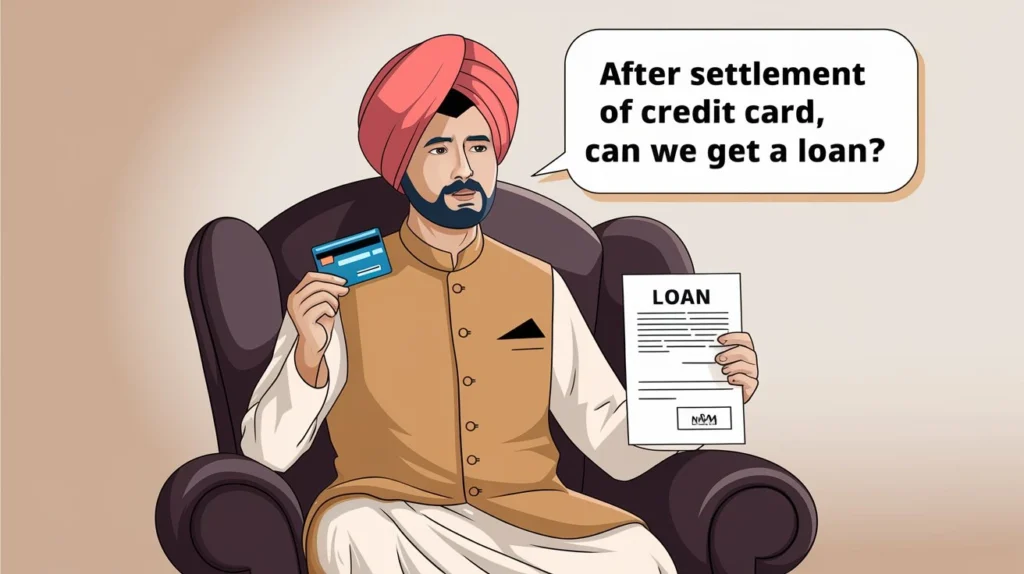
Lenders may view you as a higher-risk borrower if you have settlements on your credit report, making it harder to get new credit, especially in the short term.
Settlement of credit cards will harm your credit score. The credit reporting agencies classify settled debts as “settled,” which is less favorable than “paid in full.” Here’s how settlement impacts your credit score:
Credit card settlement can be an appropriate decision at times, particularly when all the following conditions are met:
When you face a significant loss of income due to unemployment, high medical bills, or other financial pressures, then settlement will ease your stress.
When debt with a high interest rate is not manageable and one feels that one cannot repay it, settlement will help avoid even more debt buildup.
For those who want to avoid bankruptcy at all costs, settlement is an alternative that may still allow for partial debt forgiveness without the long-lasting effects of a bankruptcy filing.
If your main concern is resolving the debt and you’re willing to take a hit on your credit score, settlement may be a reasonable option.
Before settling, consider other alternatives that might have a smaller impact on your credit score or offer better terms:
DMPs are usually administered by credit counseling agencies. They involve negotiating lower interest rates and payment plans with creditors. This approach does not involve forgiving any debt but makes it more manageable.
A balance transfer card allows you to transfer high-interest debt to a card with a 0% introductory APR. This may give you a chance to pay off the debt without interest for a certain period.
A debt consolidation loan allows you to consolidate multiple debts into a single loan with a lower interest rate, making payments easier and reducing the total cost.
This process of negotiation with creditors doesn’t have to be formal for interest rates or longer repayment periods. Most creditors will bend to the will of a borrower if they can avoid suffering a loss.
Credit card settlement is a way out for debts that are overwhelming but not without its drawbacks. The drawbacks include your credit score, tax liability where applicable, and the charges of settlement agencies, so it is a decision that must not be taken lightly. To those who are considering it, take time to study your options, explore alternatives, and set long-term financial goals before making a decision.
In the case of some people, settlement could prove to be the best exit option from a tough situation. Others may find debt management or consolidation suits them better. In other words, it all depends on your individual financial circumstances and goals. Whichever may be the case, post-settlement, you would like to build a good financial foundation to avoid the challenge again in the future.
Que. Does credit card settlement affect my credit score?
Ans: Yes, settling a credit card debt will negatively impact your credit score, as it indicates that you didn’t fully repay the original debt amount.
Que. Can I negotiate credit card settlement on my own?
Ans: Yes, you can negotiate directly with your credit card issuer. However, working with a credit counsellor may increase the chances of reaching favorable terms.
Que. How long does a settlement remain on my credit report?
Ans: Settlements can remain on your credit report for up to 7 years, which can affect your ability to secure future credit.
Que. Is there a way to settle debt without impacting my credit score?
Ans: Debt consolidation or a debt management plan may help you manage payments without impacting your credit score as significantly as a settlement.
Que. Should I use a debt settlement company?
Ans: It depends on your comfort level with negotiation and understanding of the process. Settlement companies charge fees, but they can negotiate on your behalf.

Founded in 2015, Ahk Tips is a New Delhi-based financial advisor specializing in debt relief and loan management solutions.