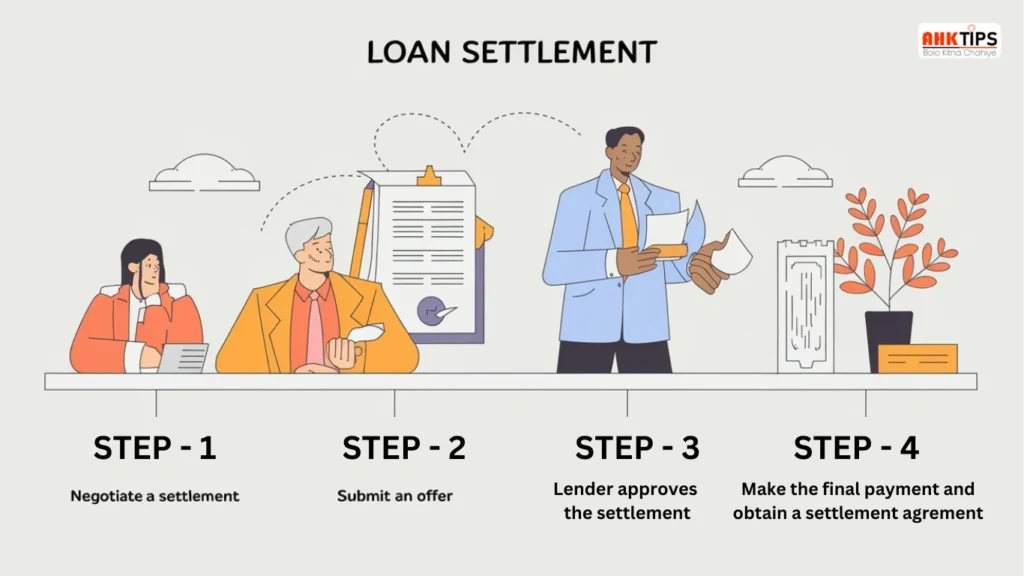
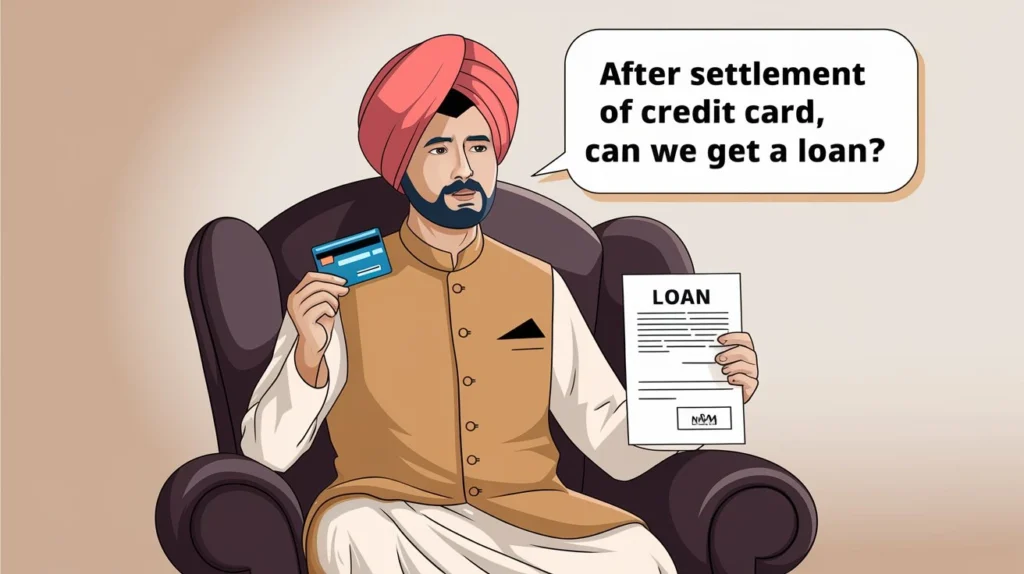

Managing finances becomes complicated when debts start to amass, especially when one has credit cards that tend to have high interest rates. When this happens, some will settle their credit card by opting for a credit card settlement to relieve financial stress. However, after settling credit card dues, one wonders if they can obtain a loan in the future. Let’s discuss what credit card settlement is, how it affects your credit score, and what you can do to qualify for a loan after settlement.
Credit card loan settlement is also available for people who cannot repay their credit card dues in whole. During the process of credit card settlement, you pay only part of your credit card balance to the bank and request the latter to forgive the rest. Therefore, it offers you some reprieve but not without costs; most significant of those is a lowering of the credit score.
When you settle a credit card, it directly shows on your credit score due to it being a potential form of risk in finance. Credit card settlement can stay active on the credit report of a client for up to 7 years, signalling that a client did not meet his or her stipulated repayments. Next, there is a closer look at how settlements affect one’s credit:
Yes, it is possible to take a loan after credit card settlement, though it may pose some problems depending on one’s credit profile and that of the lender’s in terms of risk appetite. Here’s how you may improve the chances:
After settling a credit card, it’s advisable knowing which types of loans to qualify for:
The loan is secured with assets like property or savings, and this can make it more readily available after a credit settlement. Since these loans carry collateral, lenders may still be willing to extend credit even if an account on your report has been settled.
You might still receive an unsecured personal loan, but be prepared for higher rates of interest. Some loan lenders could offer personal loans for a greater rate to balance the threat that loaning carries afterward having settlement.
Small personal loans or microloans, typically in smaller amounts, may be more accessible. Certain lenders specialise in smaller loans for individuals with limited credit history or lower scores.
If traditional loans are not easily available post-settlement, then look into the following alternatives in rebuilding credit and accessing funds:
Some financial institutions offer credit-builder loans specifically designed to help people repair their credit. In this type of loan, instead of disbursing loan funds upfront, the bank deposits the money into a savings account, and you make monthly payments until it’s paid off.
This improves the chances of approval because a co-signer loan assumes that the co-signer has a solid credit history. Do note that a missed payment would negatively impact the credit scores of both the applicant and the co-signer.
Peer-to-peer lending sites are likely to have more lenient credit requirements. In these online platforms, the borrower is connected directly to individual investors who may be more willing to lend regardless of a credit settlement.
Improved after settlement, your financial profile can significantly affect loan eligibility. Here are some steps to make it happen:
Rebuild your credit score by paying bills on time, minimizing the use of credit, and avoiding payments after due dates. A good payment history will help counterbalance the negative impact of settlement.
The debt-to-income ratio measures your debt payments relative to income. Lowering your debt and increasing income can enhance your appeal to lenders.
The longer you wait before applying for a loan, the more time your credit score has to recover. Take at least a year to demonstrate financial stability and improve your profile.
If you’re employed, provide pay slips and bank statements as proof of steady income. Showing lenders that you’ve gained control over your finances may improve your loan prospects.
Getting a loan after settling a credit card may be tough but is achievable with the right approach. While settlement affects your credit score, you can still focus on credit recovery, explore other loan alternatives, and show responsible financial behavior to qualify for future loans. Just remember to approach lenders that cater to individuals in similar situations, as they may offer tailored products to meet your needs.
Que. How long does a settlement stay on my credit report?
Ans: Settlement can stay on your credit report for up to 7 years, impacting your creditworthiness.
Que. Will my loan application be rejected automatically after a settlement?
Ans: Not necessarily. Some lenders may be willing to extend credit based on other factors, such as collateral or improved credit behaviour.
Que. Can I remove a settlement from my credit report?
Ans: You cannot remove it directly, but its impact can lessen over time. Focus on rebuilding your credit score through consistent financial habits.
Que. Are secured loans easier to get after a settlement?
Ans: Yes, secured loans are generally easier to obtain as they involve collateral, reducing the lender’s risk.
Que. Will my interest rates be higher post-settlement?
Ans: In many cases, yes. Post-settlement, lenders may charge higher interest rates due to the perceived risk.

Founded in 2015, Ahk Tips is a New Delhi-based financial advisor specializing in debt relief and loan management solutions.