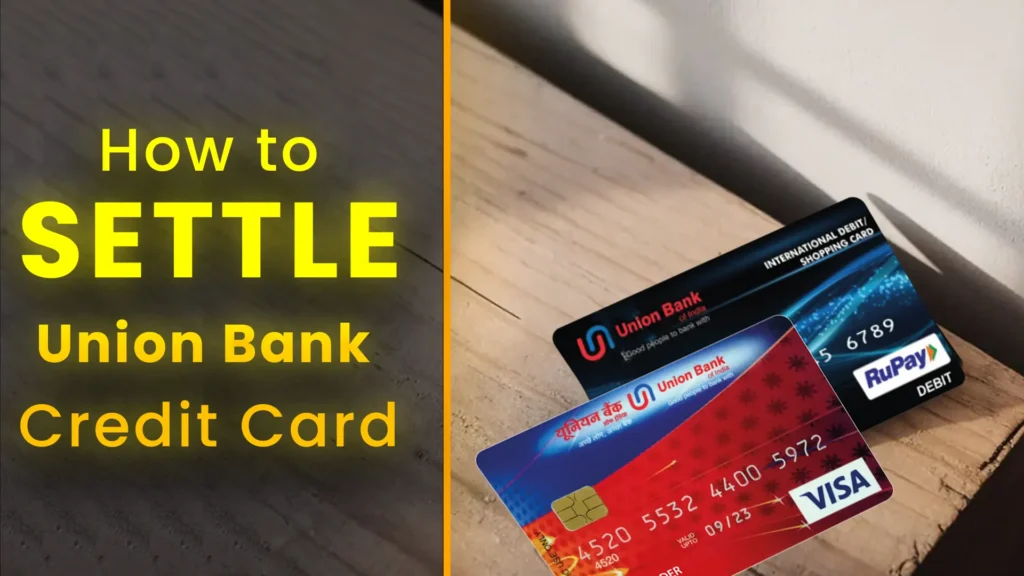

Facing financial difficulties and struggling to pay off your credit card dues with Union Bank of India (UBI)? Settling your credit card debt can provide you with much-needed relief in such situations. However, settling a Union Bank of India Credit Card debt isn’t a simple decision, as it comes with both short-term and long-term consequences.
In this guide, we’ll cover everything you need to know about settling your Union Bank of India credit card debt — from understanding the settlement process to negotiating terms and what the impact will be on your credit score.
Credit card settlement is a process through which you negotiate with your bank (in this case, Union Bank of India) to pay a reduced amount of the total outstanding dues in one lump sum. Once the agreed-upon amount is paid, the bank closes the account, marking it as “settled” rather than “paid in full.”
The settlement process allows you to pay off a significant portion of your debt without clearing the entire balance. However, this also means that it will have consequences on your credit score, which we’ll cover letter.
Credit card settlement can be a viable option under the following circumstances:
However, before opting for a settlement, it’s crucial to consider the long-term impact on your financial health and credit score.
Before approaching Union Bank of India for a settlement, take a thorough look at your financial situation. Ask yourself:
This analysis will help you understand your position and make the negotiation process smoother.
Once you’ve assessed your financial standing, it’s time to reach out to Union Bank of India’s customer service or the credit card collections department. Here’s how you can contact them:
Be ready to provide evidence of financial hardship, such as job termination letters, medical bills, or any documentation that explains your inability to pay the full outstanding amount.
After discussing your situation with the bank, the next step is to negotiate the settlement amount. Usually, banks offer to settle for anywhere between 40-80% of the total outstanding dues, depending on various factors, including:
During negotiations, try to secure the lowest possible settlement amount that you can afford in one go.
Once the settlement amount is finalised, it is vital to get a written agreement from Union Bank of India. This settlement agreement should clearly mention:
This written document protects you from future claims and ensures there are no misunderstandings about the terms of the settlement.
After making the one-time payment, ask for a No Dues Certificate or a Settlement Completion Letter from Union Bank of India. This document acts as proof that you’ve fulfilled your part of the agreement and that the bank cannot claim any more dues from you.
Also, ensure that the bank updates your credit report with the credit bureaus, marking the account as “settled” to avoid any future complications.
Union Bank of India offers a structured settlement policy for credit cardholders who are unable to pay their dues. Here are the key points:
The settlement policy varies based on your individual case and financial situation. Make sure to carefully review the terms before agreeing to the settlement.
While settling your Union Bank of India credit card debt offers immediate financial relief, it comes with a significant downside — it negatively impacts your credit score. Here’s how:
However, by making timely payments on other accounts after the settlement, you can begin the process of rebuilding your credit score.
Before opting for settlement, consider these alternatives that may offer a less damaging solution:
Union Bank of India allows you to convert your credit card dues into EMIs. This can help break down the large outstanding balance into smaller, more manageable payments spread out over time.
Another option is to transfer the outstanding balance of your Union Bank of India credit card to another card with a lower interest rate. This gives you more time to repay the debt without resorting to settlement.
If your debt is too large to handle, consider taking out a personal loan to consolidate your debts. Personal loans usually come with lower interest rates than credit cards, allowing you to repay the debt over a longer period.
Settling your Union Bank of India credit card can help you get out of a difficult financial situation, but it comes with its own set of consequences, especially on your credit score. By following the steps outlined above — from negotiating the settlement amount to ensuring you have all necessary documentation — you can navigate the process smoothly and avoid future complications.
However, before opting for settlement, consider alternatives like EMI conversion or balance transfers that may help you manage your debt without affecting your credit score. If settlement is the best or only option, make sure you negotiate wisely and adhere to the terms agreed upon to settle the debt properly.
Que: Can I settle my Union Bank of India credit card debt without impacting my credit score?
Ans: No, settling your credit card debt will impact your credit score as the account will be marked as “settled” rather than “paid in full.”
Que: What percentage of the total dues can I expect to pay in a settlement?
Ans: You can generally expect to settle for around 40-80% of the total outstanding dues, depending on your financial situation and the negotiation process.
Que: How long does it take to settle a Union Bank of India credit card?
Ans: The settlement process can take anywhere from 30-60 days, depending on how quickly you and the bank can negotiate the terms and finalise the payment.
Que: Should I get a No Dues Certificate after settling my credit card debt?
Ans: Yes, always obtain a No Dues Certificate or Settlement Letter to have proof that the bank has closed your account and no further payments are due.

Founded in 2015, Ahk Tips is a New Delhi-based financial advisor specializing in debt relief and loan management solutions.