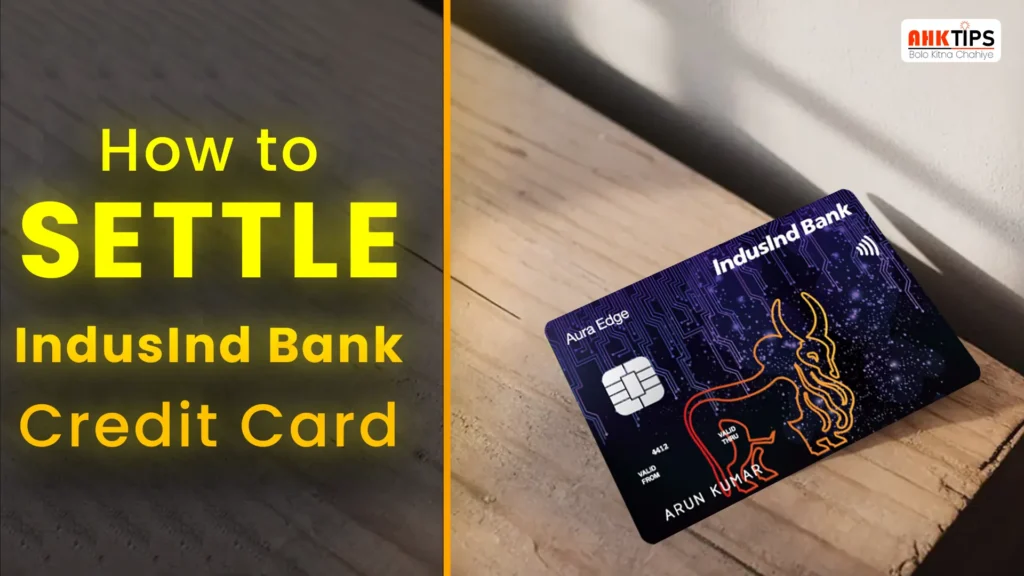

Credit card debt can quickly accumulate and become unmanageable, especially when unforeseen circumstances arise. If you’re struggling to pay off your IndusInd Bank credit card, you may be considering settlement as an option. Settling your credit card debt involves negotiating with the bank to pay less than what you owe, offering you financial relief but also impacting your credit score.
In this guide, we’ll walk you through the process of settling your IndusInd Bank credit card debt, the steps involved, and what to consider before making this decision.
Credit card settlement is a process where a cardholder negotiates with their bank to settle their outstanding dues for less than the total amount owed. For those who are unable to repay the full credit card debt, settlement can offer financial relief. However, it’s important to note that while the debt may be cleared, the account will be marked as “settled” instead of “paid in full,” which will impact your credit score.
You should consider settling your credit card debt with IndusInd Bank if:
Before you decide to settle, explore other repayment options like EMI conversion, balance transfer, or debt consolidation to avoid the long-term consequences of settlement.
Before you approach IndusInd Bank for settlement, thoroughly assess your finances. Determine how much you owe, how much you can afford to pay, and whether other repayment options could work for you. This will help you negotiate better and ensure that you can meet the settlement terms.
Once you have a clear understanding of your financial situation, reach out to IndusInd Bank’s collections department or visit your nearest branch. Explain your situation and express your intent to settle your outstanding credit card dues. The bank will then review your case and provide options for settlement.
IndusInd Bank will typically require proof of financial hardship to consider a settlement. You might need to provide:
Providing accurate and transparent documents can help you get a better settlement offer from the bank.
Once the bank reviews your financial hardship, they will propose a settlement offer, typically asking you to pay 50% to 80% of the total amount due. This includes interest, late fees, and other charges. You can either accept their offer or negotiate further, depending on your financial capacity.
Make sure to clearly communicate what amount you can afford to pay, and try to negotiate for a lower settlement amount. Ensure that all settlement terms, including the payment deadline and the exact amount to be paid, are documented in writing.
Once you have agreed on the settlement amount, you must pay the agreed sum within the stipulated time frame. After the payment is made, request a No-Dues Certificate from IndusInd Bank, which confirms that there are no pending dues on your account.
IndusInd Bank has specific policies for credit card settlement, which include:
While credit card settlement provides immediate relief from outstanding dues, it does affect your credit score negatively. Here’s how:
Although settlement negatively impacts your credit score, you can rebuild your score by managing future credit responsibly.
If you want to avoid the negative consequences of credit card settlement, you might want to explore these alternatives:
EMI conversion allows you to convert your total outstanding balance into smaller monthly payments, making it easier to manage your debt without opting for a settlement.
Through a balance transfer, you can transfer your outstanding balance from your IndusInd Bank credit card to another credit card with a lower interest rate, which can reduce your financial burden.
A debt consolidation loan enables you to combine all your debts, including credit card balances, into one loan with a lower interest rate. This makes it easier to manage your payments and avoid settlement.
Settling your IndusInd Bank credit card debt can offer relief if you’re facing financial difficulties, but it comes with long-term consequences, particularly for your credit score. Before opting for settlement, assess your financial situation and explore other repayment options like EMI conversion, balance transfer, or debt consolidation.
If you decide to proceed with settlement, ensure that you follow the proper steps—contact the bank, provide proof of financial hardship, negotiate the settlement terms, and obtain a No-Dues Certificate after making the payment. Though your credit score will be affected, responsible financial management can help you rebuild it over time.
By following this guide, you’ll be able to navigate the settlement process smoothly and work towards regaining control over your financial future.
Que: Can I settle my IndusInd Bank credit card debt for less than what I owe?
Ans: Yes, through negotiation, you may be able to settle your credit card debt for 50% to 80% of the total outstanding amount. The exact amount will depend on your financial situation and the bank’s policies.
Que: Will IndusInd Bank charge any fees for the settlement process?
Ans: IndusInd Bank typically includes late fees, interest, and other penalties in the settlement amount. There may not be a separate settlement fee, but all terms should be clarified before agreeing.
Que: How long does the settlement process take?
Ans: The settlement process can take anywhere 90 days, depending on how quickly the bank reviews your financial documents and how promptly you make the agreed payment.
Que: Will settling my credit card debt improve my financial situation?
Ans: While settlement can provide immediate financial relief, it will negatively affect your credit score. Consider the long-term impact on your ability to access credit in the future before settling.
Que: Can I rebuild my credit score after settling my IndusInd Bank credit card debt?
Ans: Yes, you can rebuild your credit score over time by making timely payments on other loans, maintaining low credit utilisation, and practising responsible financial management.
Previous Post
Next Post

Founded in 2015, Ahk Tips is a New Delhi-based financial advisor specializing in debt relief and loan management solutions.