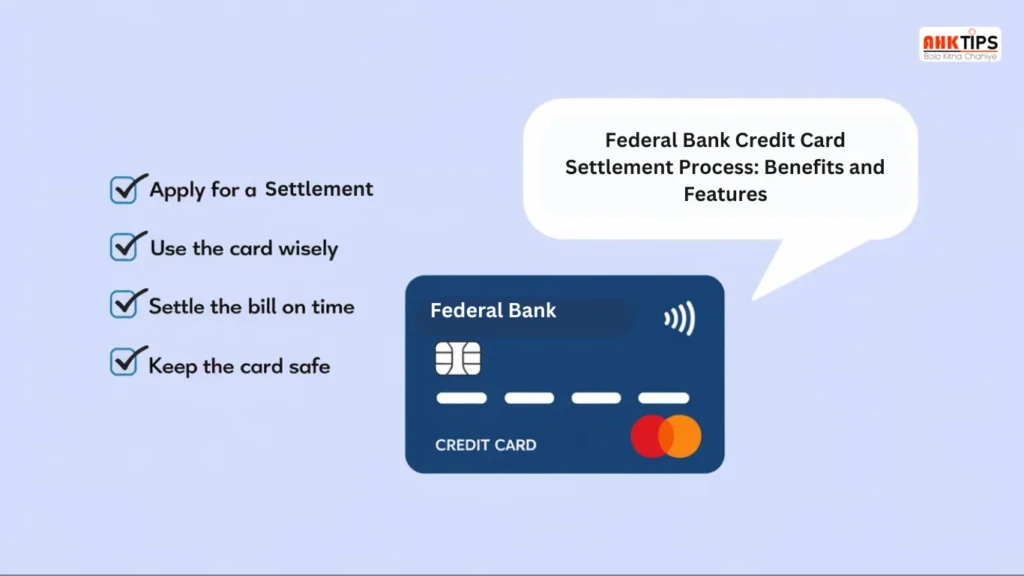

Managing credit card debt can be overwhelming, especially when you find yourself unable to meet the minimum payments. If you’re struggling to pay off your Federal Bank credit card dues, opting for a settlement might be a practical way to resolve the debt and ease your financial burden. However, settling a credit card balance comes with consequences, particularly to your credit score. This blog will guide you through the step-by-step process of settling your Federal Bank credit card, how to negotiate with the bank, and the potential effects on your financial future.
Credit card settlement is a process through which the borrower negotiates with the credit card issuer (Federal Bank in this case) to pay a reduced amount of the total outstanding debt in one lump sum. Once this amount is paid, the account is marked as “settled” rather than “paid in full.”
This settlement process can provide relief to individuals struggling with high-interest debts, but it also has negative effects on your credit score and can impact your ability to access loans or credit in the future.
Credit card settlement may be the right option if:
However, it’s important to understand that while settlement reduces your immediate financial stress, it has long-term effects on your credit profile.
Before approaching the Federal Bank for settlement, take a close look at your financial situation. Ask yourself:
Understanding your financial position will help you in negotiating the best possible settlement.
Once you’ve assessed your finances, contact Federal Bank’s credit card collections department or customer service to explain your situation and request a settlement. You can do this via:
Be prepared to provide documentation that proves financial hardship, such as job loss papers, medical bills, or any other evidence.
During your conversation with the Federal Bank, aim to negotiate the lowest possible settlement amount. Typically, the bank may settle for anywhere between 40-80% of the total outstanding amount, depending on:
It’s important to remain polite but firm during these negotiations. If you can, offer to make the settlement payment as soon as possible to strengthen your case.
Once you and the bank agree on the settlement amount, ensure that you get a written agreement outlining the following:
This agreement will act as proof that the bank has agreed to the settlement, and it will protect you in case of future claims.
Once the payment is made, ask the bank for a No Dues Certificate or Settlement Completion Letter as confirmation that the debt has been settled. Also, ensure that the bank updates your credit report with credit bureaus to mark the account as “settled.”
Federal Bank typically follows a structured settlement policy for defaulting credit card holders. Here are some important points to note:
The terms of the settlement may vary depending on your specific financial circumstances and the duration of the default.
While settling your Federal Bank credit card debt can provide immediate financial relief, it has a significant downside: it negatively impacts your credit score. Here’s what happens:
Although the settlement might hurt your score, you can work towards rebuilding it by making timely payments on other accounts.
If you’re hesitant about the consequences of credit card settlement, consider these alternatives:
Federal Bank offers EMI conversion options, where you can convert your large credit card bill into manageable monthly instalments. This can help ease your financial burden without the need for a settlement.
You can also opt for a balance transfer, where you transfer your outstanding balance from Federal Bank to another bank with a lower interest rate. This can give you more time to repay your dues.
Another alternative is to take out a personal loan to consolidate your debts. Personal loans often have lower interest rates than credit cards, allowing you to pay off your credit card debt and focus on a single loan repayment.
Settling your Federal Bank credit card debt can be an effective way to resolve a difficult financial situation. However, it is crucial to understand both the advantages and the downsides, particularly the impact on your credit score. Before deciding on settlement, explore alternative options like EMI conversions or balance transfers that might help you manage your debt more effectively.
If you do choose to settle, make sure to negotiate wisely, obtain a written agreement, and follow through with prompt payment to avoid any future issues.
Que: How much can I expect to pay in a credit card settlement with Federal Bank?
Ans: Generally, banks offer settlements where you pay between 40-80% of your total outstanding dues.
Que: Will settling my credit card debt affect my credit score?
Ans: Yes, settling your credit card debt will negatively affect your credit score, as the account will be marked as “settled” rather than “paid in full.”
Que: How long does the credit card settlement process take with Federal Bank?
Ans: The settlement process typically takes around 30-60 days, depending on how quickly you can negotiate and make the payment.
Que: Should I obtain a No Dues Certificate after settling my credit card debt?
Ans: Yes, always obtain a No Dues Certificate to ensure that the bank has closed the account and will not make further claims.

Founded in 2015, Ahk Tips is a New Delhi-based financial advisor specializing in debt relief and loan management solutions.