

Personal Loan and Credit Card have become a part of the life of many people these days. They definitely give us immediate financial relief, but if they are not managed properly, then this facility can become a heavy burden one day. Not paying EMI on time not only increases the interest, but can also cause mental stress, drop in credit score and difficulties in taking loans in future.
In today’s article, we will learn how to reduce the burden of Personal Loan and Credit Card. The first and most important step is to check your current financial situation. It is important to know which banks you owe, how much EMI is going every month, and what your income is.
After this, it is very important to stop unnecessary expenses by making a budget. Eating out, online shopping, unnecessary subscriptions – by cutting down on all these, you can raise additional funds to pay EMI. Repaying high interest loans first and consolidating multiple loans or cards into one is also an effective way.
In today’s time, when needs are increasing and it is becoming difficult to control expenses, personal loans and credit cards have become a part of people’s lives. On one hand, they provide us with immediate financial help, on the other hand, their misuse or not paying on time can become a headache for us. Many times, we borrow more than and the burden of these loans and credit cards starts affecting our lives.
The pressure of EMIs, increasing interest, late fees, and impact on CIBIL score – all these things also increase mental stress. Personal Loan and Credit Card are not bad things in themselves. If they are not used properly and according to need, then they can make your financial life better. But when we borrow without planning or spend only to fulfill hobbies and desires, then they become a burden for us. Especially when the EMI amount eats up a large part of your monthly income, it becomes difficult to manage other important expenses.
In today’s article, we will know in detail how you can handle the increasing burden of Personal Loan and Credit Card wisely. We will discuss such easy and practical measures by adopting which you can gradually eliminate your debt and become financially strong. This article will not only help you get out of debt but will also give you a new thinking so that you do not get stuck in the same situation again in the future.
A loan is money that a bank, financial institution, or person lends you for some time. This money has to be returned within a fixed time, along with interest. When we do not have money immediately to fulfill a need, such as buying a house, studying, buying a car, or starting a business, then we take out a loan.
There are many types of loans, like Homloansan, Personloansoan, Educatloans Loans, Vehicle loans, etc. But keep in mind – a loan is a responsibility. It is very important to repay it on time; otherwise, your CIBIL Score, i.e., credit history, may be spoiled in the future.
Simply put, the loan is a way through which you can get the money you need today, but it has to be returned in the form of installments in the future.
A credit card is a plastic or metal card that a bank or financial institution gives to its customers. With its help, you can buy any goods or services without paying money immediately. In simple words, it is a kind of “card to spend on credit”.
When you purchase with a credit card, the bank makes the payment for you at that time, and later, you pay that amount back to the bank. The bank gives you a limit, which is called a credit limit. You can spend within this limit. Every month, when you get a bill, Hatch tells you how much you spent and how much is left to pay.
If you pay the entire bill on time, then you do not need any interest. But if you do not pay the entire bill or pay only the minimum amount due, then the bank starts charging interest on the remaining amount.
Let us understand in simple language what can happen if you do not pay the EMI of the Loan.
1. Late payment charge and interest
If you have not paid the EMI on the due date, the bank can charge you a late payment charge. Also, the bank starts charging a high rate of interest on the outstanding EMI, which can usually go up to 36% per annum. This makes your EMI even more expensive.
2. Impact on CIBIL score
Your CIBIL score is very important for your financial future. If you do not pay EMI or pay late repeatedly, it gets recorded in your credit report, and your score may fall. This may make it difficult to get a loan or a new Loan in the future.
3. The outstanding keeps increasing
If you do not pay EMI, your outstanding balance keeps increasing because interest keeps getting added to it every month. The longer you do not pay, the bigger amount you will have to pay.
4. Recovery calls and notices
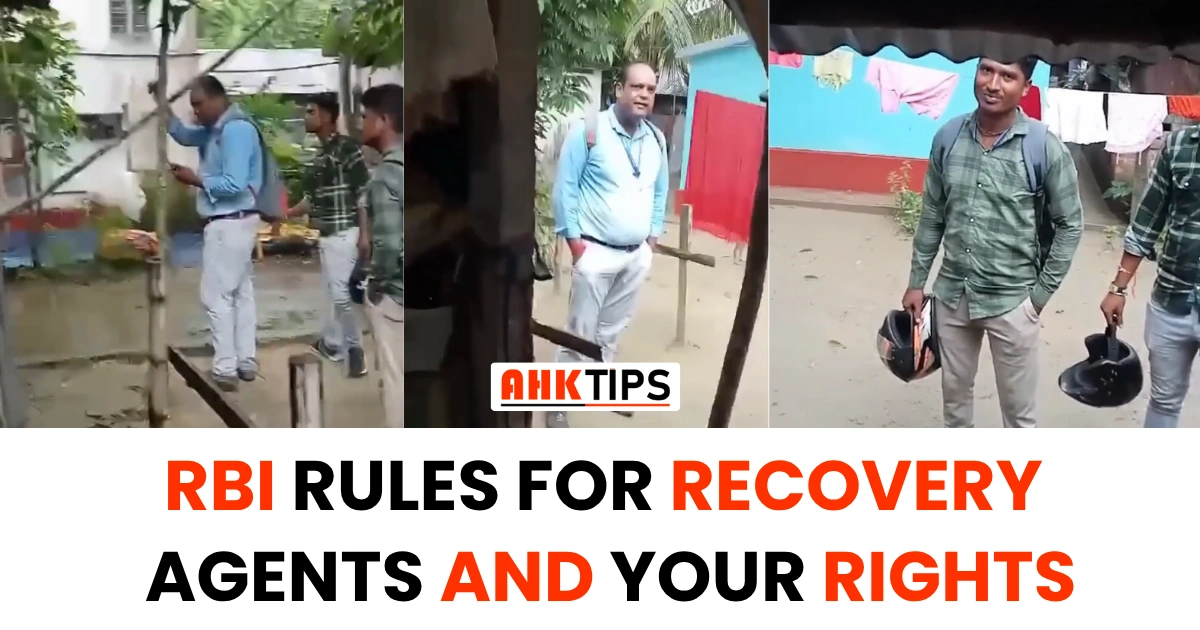
If you do not pay EMI for several months, then you start getting repeated calls, messages, or emails from the bank. After this, the bank can also send you a legal notice. In some cases, the bank can also send recovery agents to you.
5. Legal action can be taken
If your amount has become very high and you have not paid for a long time, then the bank can also take legal action against you. This can also affect your image and mental state.
In today’s era, when the needs of life are increasing day by day, options like personal loan and credit card have become a means of providing immediate relief. But if they are not used wisely, then this facility can become a cause of trouble. The shortage of EMI, increasing interest on credit card, late fees and fear of default – all these together create mental and financial stress. In such a situation, it becomes important that we manage them wisely and reduce their burden.
First of all, it is important to know from which banks or NBFCs you have taken a personal loan and how many credit cards you have. Note down the EMI, interest rate, payment date, and remaining amount of each loan in a list. This will give you a correct idea of your entire debt.
Make a list of your monthly expenses – like rent, ration, bills, children’s fees, etc. Then e e where you can reduce your expenses. Things like eating out, online shopping, and subscriptions often spoil your budget. Control them and invest that money in EMI or card payment.
If you have taken many loans, then first start paying off the loan or credit card on which the highest interest is being charged. This will reduce the interest amount in the long run, and you will feel relieved quickly.
Credit card companies often provide the facility of paying only the “Minimum Due Amount”, but this does not pay off your entire bill d the interest keeps increasing. Try to pay the entire bill every month.
If you have multiple loans or cards, then look at the option of paying off all the smaller loans by taking a personal loan. This will result in a single EMI, and the interest can also be reduced.
If the burden of EMI seems too much, then contact your bank and try to increase the EMI tenure. This reduces the EMI per month, although the total interest may increase.
You can start a freelance work, part-time job, or small business so that your income increases and you can repay the loan quickly.
Often, late fees and penalties are charged due to non-payment of EMI or Credit Card on time. To avoid this, activate the Auto Debit facility so that the payment is made on time.
Many banks provide the facility of credit card balance transfer in which you get a lower interest rate. Using this, you can transfer your old expensive card bill to a cheaper option.
The burden of debt can cause mental stress. Instead of panicking, seek advice from a financial advisor and make a strategy. If needed, seek credit counseling as well.
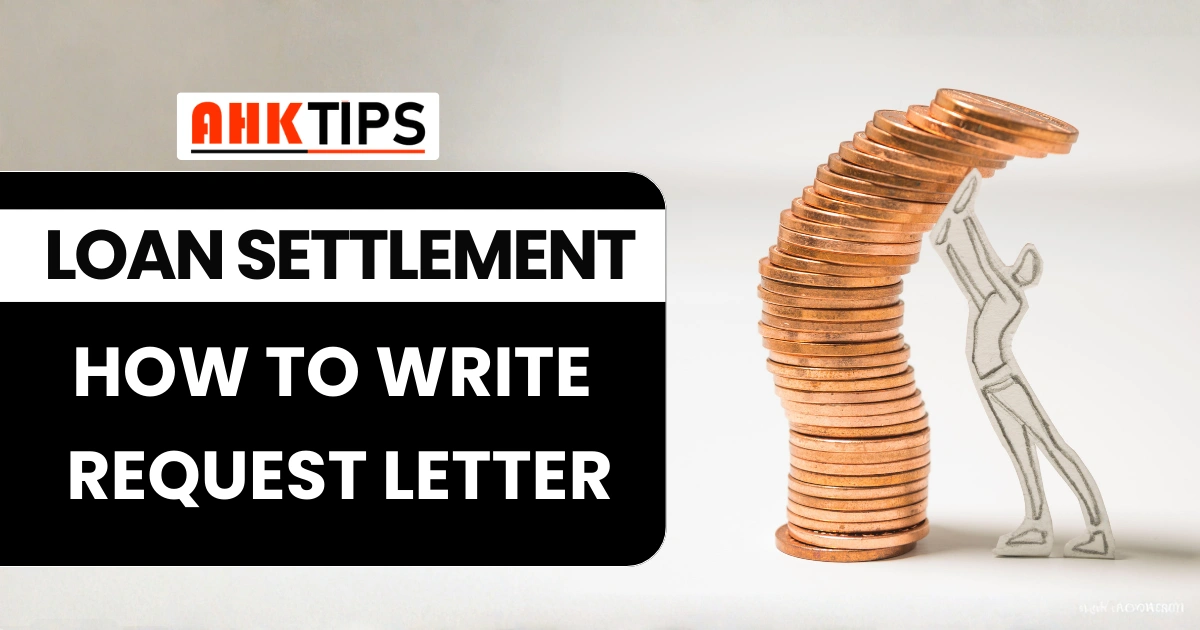
Loan Settlement is a process in which you negotiate with your creditor to forgive a part of the outstanding amount on your Loan by making a lump sum payment. It is an agreement that you make with your card issuer as a last resort when you see that your Loan debt is increasing.
This can happen due to many reasons, ranging from unnecessary spending to careless spending habits. When your debt increases, the interest on it also increases, which can make it difficult for you to repay the outstanding amount. If you do not see any way out of this, then you can recommend a Loan Settlement.
Below are some common reasons:
Let us know what documents are required for Loan Settlement:
1. ID Proof
2. Address Proof
3. Income Proof (if required)
4. Loan Statement
You will have to provide the Loan statement to give the correct information about your outstanding balance. The bank can also generate this statement itself, but sometimes they ask you for a copy of it.
5. Settlement Request Letter
If you are approaching the bank for settlement on your own, you will have to give a written Settlement Request Letter in which you can explain:
6. Settlement Offer Letter given by the bank
When the bank agrees to the settlement, they give you a Settlement Offer Letter. Read it carefully and confirm the amount and terms mentioned in it.
Below are some steps that should be followed before a Loan Settlement:
If you are unable to pay your Loan dues and are troubled by heavy interest rates, a Loan Settlement can be a possible solution. Under this process, the bank or Loan company can waive off part of your total outstanding amount and give you the option to make a lump sum payment (One-time Settlement). However, this can affect your CIBIL score, so adopt it only as a last option.
A settlement can hurt your credit score. The impact can be seen in the following ways:
Let us know what the benefits of doing a Loan Settlement are:
Let us know in detail what the disadvantages of doing a Loan Settlement are.
Personal loans and credit cards have become very common in today’s time. Most people are using them for some reason or the other – whether it is an essential expense, medical emergency, children’s education, home renovation, or the desire to fulfill a dream. Everything seems easy in the beginning because banks and companies give you money immediately. But the real challenge begins when it becomes difficult to pay the monthly EMI and credit card bill.
Gradually this loan sits like a Personal Loan and Credit Card burden on us. A large part of the monthly salary is spent in paying EMI and interest. Other essential expenses are not met and mental stress starts increasing. Sometimes the situation becomes so bad that people default – that is, they miss paying EMI or bill. This spoils the CIBIL score and it also becomes difficult to get a new loan in the future.
But there is no need to panic at all. There is a solution to every problem. If you take steps thoughtfully and do a little planning, then the burden of personal loan and credit card can be gradually reduced. For this, the most important thing is to understand your situation honestly and control your expenses.
Que: Are all loans bad?
Ans: No, not all loans are bad. Some loans, like home loans or education loans can prove beneficial in the future. But it is important to repay them on time so that the debt does not become a burden.
Que: Is it possible to live without debt?
Ans: Yes, it is possible. For this, you have to balance your income and expenses, make a strong budget, and adopt a strategy to gradually eliminate the debt.
Que: Which debt should be repaid first?
Ans: The debt on which the highest interest is charged should be repaid first. This will save interest, and the total loan will be repaid quickly. This is called the Avalanche Method.
Que: What happens if you do not pay EMI?
Ans: By not paying EMI, your CIBIL score gets spoiled, due to which it may be difficult to get a loan or credit card in the future. Also, the bank can take penalty and legal action.
Que: Can I get out of credit card debt quickly?
Ans: Yes, if you pay the entire bill on time and avoid unnecessary expenses, then credit card debt can be cleared quickly. Paying the “Minimum Due” gradually increases the debt more, so pay it in full.
Previous Post

Next Post


Founded in 2015, Ahk Tips is a New Delhi-based financial advisor specializing in debt relief and loan management solutions.