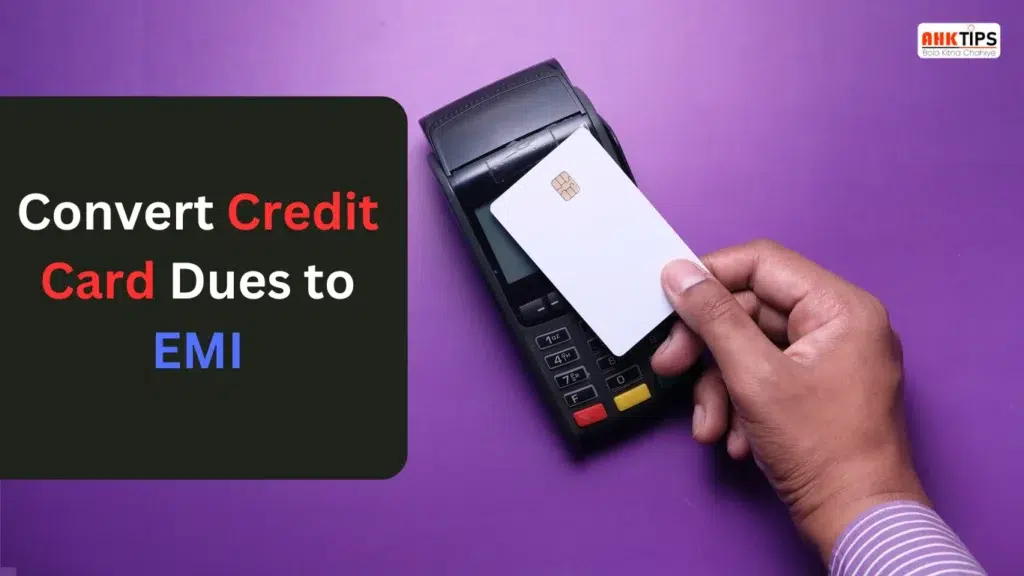

Credit card has become a very convenient way of making payments in today’s time. When you make a big purchase and it is difficult to pay that amount at once, then the option of EMI (Equated Monthly Installment) is very useful. Through Credit Card EMI, you can divide your expenses into easy monthly installments, so that there is no pressure on the budget at once.
But if you have taken the facility of EMI and then do not pay it on time, then it can have serious consequences. The first disadvantage is that the bank charges you late payment charges and additional interest. This interest rate is quite high, which increases your total liability.
Apart from this, not paying EMI also affects your CIBIL score. This score is very important for your future because based on this, banks decide to give you a loan or credit card. If you do not pay EMI, this score falls, and your financial credibility is also harmed.
In today’s time, credit card has become an important part of our life. Be it online shopping or the need of money in an emergency – credit card gives us immediate financial help. But many times we spend more than required from the card and when it comes to paying the outstanding amount, it becomes a heavy burden. In such a situation, the most common and sensible way is to convert that outstanding amount into EMI (Equated Monthly Installments).
When we shop for any goods or spend big with a credit card, the bank gives us the facility to pay that amount in small parts in the form of monthly installments i.e. EMI. Similarly, if you have already spent from the card and now it is difficult to pay that entire amount in one go, then you can also convert that outstanding amount into EMI. This reduces your financial burden and you can pay in easy installments.
The biggest advantage of this option is that you do not have to make a large lump sum payment. EMI means that you pay a fixed amount to the bank every month, in which some part is the principal and some part is the interest. This does not put much burden on your pocket and you can manage your expenses in a better way.
In today’s article, we will tell you in detail how to convert credit card dues into EMI, in which ways it is possible, what its advantages and disadvantages and what things you should keep in mind. So let’s start the journey to get complete information about this easy and sensible option.
A credit card is a plastic or metal card that a bank or financial institution gives to its customers. With its help, you can buy any goods or services without paying money immediately. In simple words, it is a kind of “card to spend on credit”.
When you make a purchase with a credit card, the bank makes the payment for you at that time and later you pay that amount back to the bank. The bank gives you a limit, which is called credit limit. You can spend within this limit. Every month you get a bill which tells you how much you spent and how much is left to pay.
If you pay the entire bill on time, then you do not need any interest. But if you do not pay the entire bill or pay only the minimum amount due, then the bank starts charging interest on the remaining amount.
Below is explained in simple language how credit card dues can be converted to EMI:
Not every bank offers EMI facility for all transactions. Usually, the bank offers EMI option only for expenses above some minimum amount (like ₹3000 or ₹5000). Apart from this, your credit score and past payment record also matter.
(a) From the bank’s mobile app or website
(b) Through customer care
(c) Through SMS/Email offers
Let us understand in simple language what can happen if you do not pay the EMI of the credit card.
1. Late payment charge and interest
If you have not paid the EMI on the due date, the bank can charge you a late payment charge. Also, the bank starts charging a high rate of interest on the outstanding EMI, which can usually go up to 36% per annum. This makes your EMI even more expensive.
2. Impact on CIBIL score
Your CIBIL score is very important for your financial future. If you do not pay EMI or pay late repeatedly, it gets recorded in your credit report, and your score may fall. This may make it difficult to get a loan or a new credit card in the future.
3. The outstanding keeps increasing
If you do not pay EMI, your outstanding balance keeps increasing because interest keeps getting added to it every month. The longer you do not pay, the bigger amount you will have to pay.
4. Recovery calls and notices
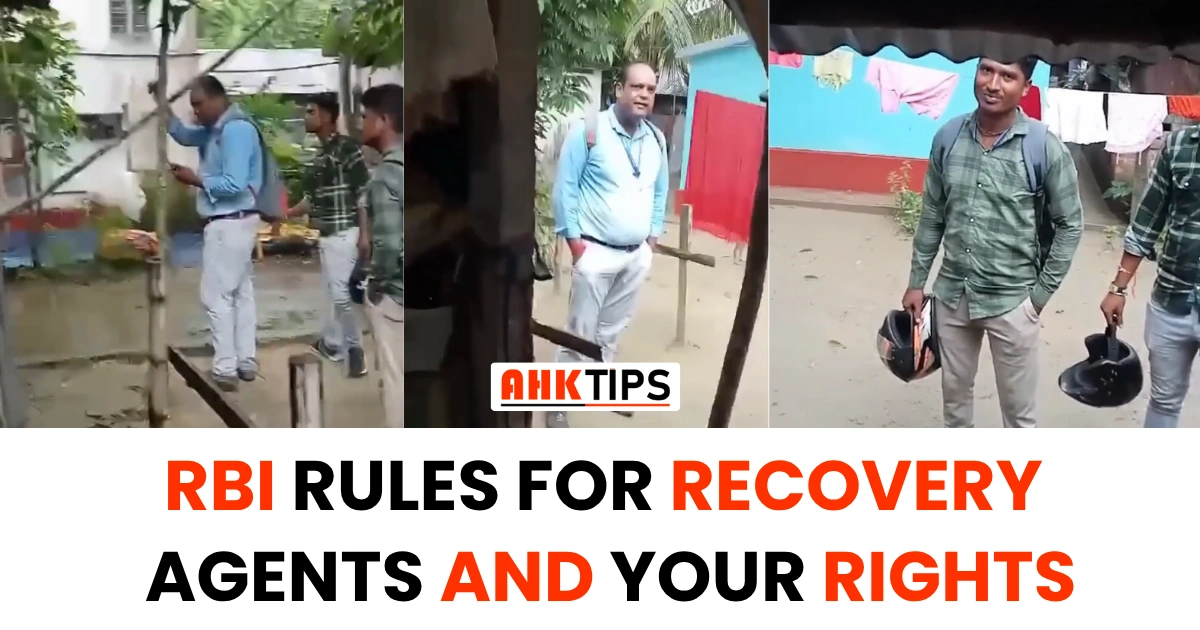
If you do not pay EMI for several months, then you start getting repeated calls, messages, or emails from the bank. After this, the bank can also send you a legal notice. In some cases, the bank can also send recovery agents to you.
5. Legal action can be taken
If your amount has become very high and you have not paid for a long time, then the bank can also take legal action against you. This can also affect your image and mental state.
6. Impact on future financial decisions
Once you default on EMI, no bank or finance company will trust you in the future. Whether it is a personal loan, home loan, or any credit facility – there will be problems in everything.
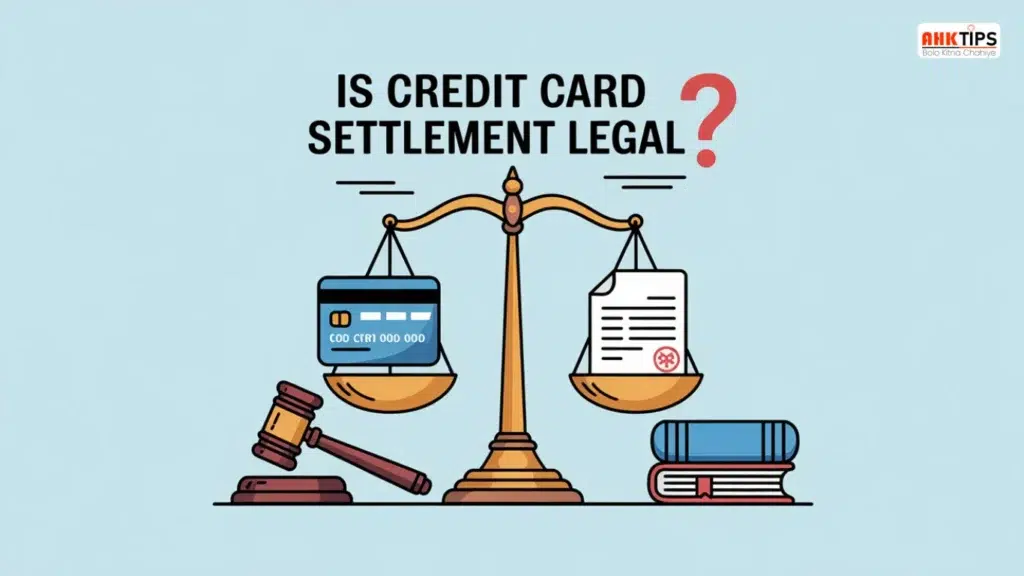
Credit Card Settlement is a process in which you negotiate with your creditor to forgive a part of the outstanding amount on your credit card by making a lump sum payment. It is an agreement that you make with your card issuer as a last resort when you see that your credit card debt is increasing.
This can happen due to many reasons, ranging from unnecessary spending to careless spending habits. When your debt increases, the interest on it also increases, which can make it difficult for you to repay the outstanding amount. If you do not see any way out of this, then you can recommend Credit Card Settlement.
Below are some common reasons:
Let us know what documents are required for Credit Card Settlement:
1. ID Proof
2. Address Proof
3. Income Proof (if required)
4. Credit Card Statement
You will have to provide the credit card statement to give the correct information about your outstanding balance. The bank can also generate this statement itself, but sometimes they ask you for a copy of it.
5. Settlement Request Letter
If you are approaching the bank for settlement on your own, you will have to give a written Settlement Request Letter in which you can explain:
6. Settlement Offer Letter given by the bank
When the bank agrees to the settlement, they give you a Settlement Offer Letter. Read it carefully and confirm the amount and terms mentioned in it.
Below are some steps that should be followed before a Credit Card Settlement:
If you are unable to pay your credit card dues and are troubled by heavy interest rates, Credit Card Settlement can be a possible solution. Under this process, the bank or credit card company can waive off part of your total outstanding amount and give you the option to make a lump sum payment (One-time Settlement). However, this can affect your CIBIL score, so adopt it only as a last option.
A settlement can hurt your credit score. The impact can be seen in the following ways:
Let us know what are the benefits of doing Credit Card Settlement:
Let us know in detail what the disadvantages of doing a Credit Card Settlement are.
Nowadays, credit cards have become an important part of our lives. With this, we can buy things of immediate need and pay for them later. But when the expenses increase and it is difficult to pay all at once, then the option of Credit Card EMI proves to be very helpful. Through EMI, we can divide the big expenses into small monthly installments, which does not put much pressure on our budget.
But this is good only as long as we keep paying the Credit Card EMI on time. As soon as we miss paying the EMI or do not pay on time, then this facility can become a problem for us. First of all, the bank starts levying late payment charges and heavy interest. Apart from this, your CIBIL score can also be spoiled, which will create obstacles to taking a loan or any credit facility in the future.
If you do not pay the Credit Card EMI continuously, then there can be recovery calls, legal notices and even legal action from the bank. Therefore, it is very important that you do not take EMI lightly and repay it before the due date of every month.
Que: How long after settlement does the credit score start improving?
Ans: If you adopt the right financial habits after settlement, then your credit score will start showing improvement in 6-12 months. But it may take 2-3 years to get a completely good score.
Que: Can I still get a new credit card after the settlement?
Ans: Yes, but the bank will decide by looking at your past credit behavior. If your report has a “Settled” status, then the chances of getting an application for a new credit card approved may be less.
Que: How much can my CIBIL score fall after doing a Credit Card Settlement?
Ans: A Settlement can cause the CIBIL score to fall by 50-100 points or more. This weakens your creditworthiness, due to which banks may hesitate to give you a loan in the future.
Que: Can I apply for a loan or credit card again after settlement?
Ans: Yes, but the bank will decide after looking at your credit report. If your report has a “Settled” status, the bank may reject your application or give you a loan at a higher interest rate.
Que: Is a Credit Card Settlement taxable?
Ans: If there is any discount in your settlement amount, and it is more than ₹50,000, then the bank may show it as taxable income, for which you may have to pay tax.
Previous Post

Next Post

Founded in 2015, Ahk Tips is a New Delhi-based financial advisor specializing in debt relief and loan management solutions.