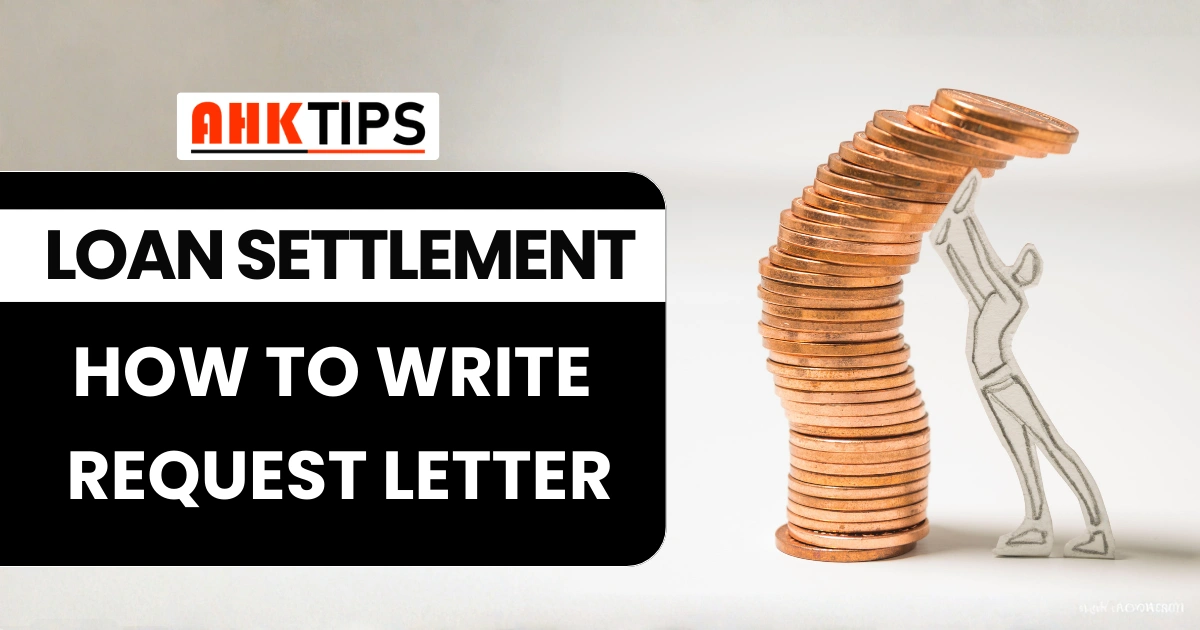


A loan debt trap happens when someone keeps borrowing money to repay old loans, causing a never-ending cycle of debt. This usually occurs when income is not enough to cover EMIs and daily expenses. Warning signs include frequent borrowing, missed payments, and only paying the minimum due. Loan settlement can help by allowing the borrower to pay a reduced amount and close the loan.
This lowers the total burden and stops harassment from lenders, but it affects your credit score. Before choosing a settlement, try other options like EMI restructuring, debt consolidation, or balance transfers. Settlement is useful when income is permanently reduced or legal pressure is rising. It’s important to get all agreements in writing. While not a complete fix, loan settlement offers a way to regain control and start rebuilding your finances.
Numerous individuals loan settlement get trapped in a debt cycle when the loan and interest simply add up and up. Typically, it begins with your income not meeting your EMIs and bills, and therefore, you take new loans in order to settle the old ones. The load increases over time, and the exit gets tougher. Stopping the cycle relies on an earlier identification of the warning signs, such as missed payments and increasing interest. A deal settlement is one possible exit; you negotiate with the lender to pay a lesser amount, closing the deal. Even though it has a bearing on your credit score, it may relieve you and give you a second chance financially. This post defines a debt trap and how it can be broken with loan settlement
Many borrowers discover they are locked in a financial cycle when they borrow money, often just to survive. Usually referred to as a loan debt trap, this scenario is knowing the debt trap meaning and loan settlement will enable you to identify early warning signals and act before your financial situation becomes worse.
When your income falls short of your loan repayments and costs, you find yourself forced to accept new loans to pay off past ones—a loan debt trap. The penalties and interest start piling up over time. Your debt gets bigger instead of lessening, therefore, your choices are reduced.
Some common reasons people fall into a debt trap include:
Managing everyday necessities, savings, and future planning is more difficult as one descends into a loan debt trap.
That is a warning whether you are utilising credit to pay EMIs or borrowing one loan after another. Regular missed or late payments indicate that your financial situation is beyond control.
You find yourself in a cycle where most of your monthly income goes toward simply paying interest without lowering the principal amount. Many borrowers begin to lose financial control here.
One alternative is loan settlement. In this case, you work with your lender to shut your loan account by making a smaller payment than what you owe. Though in many circumstances it provides actual relief and a means of financial resetting, it sounds like a last resort.
A loan settlement lowers your whole debt load. This releases income for other purposes and helps you stop building more interest. It does affect your credit score, but it also provides the opportunity for recovery over time.
Lenders and recovery agencies are not allowed to pursue you for money once a settlement is decided upon and paid for. This helps you to get mentally calm and clear, the way you restore your finances.
Only after alternative options, including restructuring, debt transfers, or EMI cuts, have been tried and failed can loan settlement be considered. It is best suited for borrowers whose decline in income or continuous financial problems render them unable to follow any form of repayment schedule.
Always verify that the settlement is recorded in writing with the bank. This provides legal protection and helps to avoid conflicts down the road. Unchecked verbal commitments or incomplete payments could cause ongoing demands.
Living with growing interest and continuous loan instalments might make one feel imprisoned. Many debtors in such circumstances question when to pick a loan settlement for debt trap release. Although it is not the first answer, under some circumstances, loan settlement can be the correct one.
The debt cycle starts when your loans and bills outlay more than your salary. You grab additional loans to survive. Interest payments soon start to mount up. You wind up merely paying charges and fines instead of lowering your overall debt.
Signs of being stuck in a debt cycle include:
The settlement of a loan involves negotiating with the lender to close your loan by paying a smaller amount. Once the agreed-upon payment is paid, the lender agrees to mark the loan as “settled.”
It improves your credit score but also stops financial haemorrhage. You lessen the whole weight and steer clear of asset confiscation or legal action. It allows you an opportunity to reconstruct your finances free from continuous EMIs’ strain.
When all other ways of repayment are no longer feasible, loan settlement is most suited. This comprises:
Should you have lost a job, experienced a company loss, or find yourself in a long-term medical crisis, and there is no quick solution to increase income, the settlement could be your best bet. It lets you break the cycle and head toward a new beginning.
After many missed payments, lenders usually dispatch recovery agents or start legal notifications. A settlement can help to gently resolve the matter if you are unable to satisfy their needs, and tension levels are mounting.
Usually, banks have a separate settlement or recovery staff. Wait, not for them to get back to you. Start first, be honest about your circumstances, and request a one-time settlement alternative.
Once conditions are decided upon, ensure you get a signed and stamped settlement letter on the bank letterhead. This guarantees the deal and shields you from later claims.
Temporarily lowering your credit score will result from loan settlement. Still, it’s usually better than just defaulting without any kind of remedy. You may restore your credit. You may restore your credit with disciplined financial practices and modest, secured loans over time.
Falling behind on loan payments can be rather distressing. Although one choice is loan settlement, it results in long-term credit damage. Many borrowers wish to know whether there exist better options than loan settlement for debt relief. The good news is that there are various approaches to take control without sacrificing your credit score.
Only when all other choices for repayment have failed can loan settlement be given any thought. It lowers your outstanding debt, but your credit record shows “settled,” which lenders consider a bad indication. Your present income, total debt, and long-term objectives can help you decide which solution best fits.
Should your income temporarily drop, think about asking your lender for E MI restructuring. Most banks are ready to change your monthly payment by extending a temporary grace period or changing the loan duration.
Restructuring done under lender approval does not harm your credit history. It demonstrates accountability and helps prevent marks of default or settlement.
You can seek a balance transfer to another lender providing better terms if the interest rate of your present loan is high. This can help you save over the loan term and lower your EMIs.
If you still have regular income and a decent credit score, this choice will work. For persons who are struggling but not yet in default, it is perfect.
Combining your several loans into one loan helps you to simplify your payments. Should the new loan have better terms, it also reduces the general interest.
Consolidation lets you concentrate on only one E MI rather than multiple. This keeps financial discipline and lowers the possibility of skipping payments.
Credit counsellors can examine your circumstances and provide doable actions if you’re not sure which direction is ideal. They can assist with financial planning, negotiating, and budgeting.
Many firms provide low-cost or free counselling. This can be a solid basis from which to start any significant financial decision-making.
If at all possible, borrowing from family with a well-defined payback schedule helps to evade legal pressure and interest charges. It should be carried out openly to prevent misinterpretation.
Liquidating devices, old cars, or investments will help pay for immediate EMIs and prevent dragging yourself further into the debt hole. Often, it’s a better option than paying off debt.
When debt becomes overwhelming, borrowers sometimes find themselves between two primary options: loan settlement against bankruptcy. Although they are last-resort treatments, their effects, risks, and long-term repercussions differ. Loan debt trap Choosing one of them requires a serious review of your financial situation and future goals.
The settlement of your loan is a negotiated agreement arrived at between you and your lender. The lender agrees to write off the remaining outstanding loan; you consent to pay a portion. Usually, it has to do with circumstances whereby the borrower is not financially able to repay the entire debt.
Considered as a less severe option than bankruptcy is the settlement. It allows you to avoid court and be free from legal procedures.
Loan settlements can be completed quickly after both sides accept. This terminates the account and releases some of the legal threat or gathering call stress.
Should the lender agree, settlement may help retain ownership, unlike bankruptcy, which may demand for liquidation of either personal or business assets.
Settlement affects your credit report, but it can enable you to recover financially faster than a bankruptcy declaration, which stays on your credit report for a more long run.
Reported to credit bureaus, a settled debt shows an incomplete payment history. This lowers your credit score and may make it more difficult for you to get loans or credit cards in the future.
Verbal agreements for settlement without written proof could lead to subsequent disputes or efforts at collection. One does need a decent letter.
Should the terms not be satisfied or if multiple loans are involved, lenders may still seek legal action.
Bankruptcy is a legal declaration of a person or company unable to fulfil its debts. Usually including court processes, asset appraisals, and a thorough restructuring or forgiveness of debts, this falls under the Insolvency and Bankruptcy Code (IBC) in India.
Declared bankruptcy means that creditors are not permitted to pursue legal action, recovery companies, or collection calls.
In extreme cases, bankruptcy can wipe out all unsecured debt, therefore giving the borrower a whole financial reset.
It is under court control, which reduces the likelihood of improper treatment or lender harassment.
Public records about bankruptcy could compromise your personal and professional reputation.
It appears on your credit report for several years and can prevent future credit or financial service access.
The type of bankruptcy you file will decide whether you have to sell valuable assets, such as real estate, to cover debt.
Loan settlement is suitable even if you still have some partial capacity to pay. It’s also great if you can negotiate straight with the bank and want to avoid court involvement. If your financial difficulties are temporary or restricted to one debt, settlement will be enough to solve them.
If your debt load is spread across multiple lenders and your income is permanently impaired, bankruptcy could provide greater help. It is also a better option in situations calling for legal protection and a total reset.
Many debt-ridden consumers often have one crucial question: in loan debt trap situations, how successful is loan settlement? While debt settlement offers relief, first, you need to be aware of what it can and cannot achieve before opting to go further.
Under a loan settlement, a borrower and her lender negotiate a one-time partial payment in place of the entire outstanding loan. Usually, this relates to a borrower’s default or inability to make consistent payments brought on by financial problems.
Loan settlement can immediately relieve the weight of constant reminders, calls for collection, and default notices. Choosing a lesser payback helps you avoid late penalties, extra interest, and additional expenses.
Many times, once a settlement is obtained, lenders may stop legal recovery efforts. This can protect you, especially in unsecured loan circumstances, from court hearings, property seizure, or wage garnishment.
For debt-trap borrowers without income or resources to allow repayments, settlement could be the only logical response. It provides a means of escape from an insurmountable debt.
On your credit report, a settled status indicates that you did not completely pay off the debt. Lenders regard this as a warning sign. It lowers your credit score and makes future borrowing more difficult, even if it might release you from present debt.
Usually involving a large cash payment, settlement only makes sense if the lender agrees. Should you find it difficult to arrange that sum, the offer could be withdrawn. It does not release your liability unless formally accepted and noted by the bank.
Loan settlement addresses only the surface of financial issues. One stands a large chance of re-entering debt without adjusting income sources, spending patterns, or planning. It’s merely a patch-up; it’s not a whole financial solution.
The waived proportion varies. Some lenders, especially if the account has been non-performing for a long period, would be ready to settle for a fraction of the outstanding. Others can request more depending on your pay scale and loan type.
Post-settlement, your access to apply for new credit cards, loans, or even rental agreements may be restricted. Many financial institutions are quite reluctant about applications having a past settlement on file.
Moreover, factors affecting efficacy are your bargaining abilities and whether or not you get the agreement in writing. Without enough evidence, your settlement could be disputed or reported fraudulently.
Ending up in a loan debt trap is a scary situation to be in, but there are ways out of the cycle. Settlement is an option to be considered. This tactic can reduce your total debt and provide a fresh start if other options like lowering your EMI or transferring your balance backfire. It helps you to take control and release recuperation pressure, even if it could momentarily lower your credit score. Still, you should only settle under suitable documentation and a clear arrangement with your lender. You should also look at several options, including debt reduction, credit counselling, or family help, before choosing a settlement. Remember that debt settlement is merely a beginning; it is not a complete solution for your financial problems. With dedication and planning, you can break out of the debt cycle.
Que: What is a debt trap, and how does it start?
Ans: You find yourself borrowing more to pay croff past-due debt when your income is inadequate to meet your loans and obligations—a loan debt trap results. Over time, penalties and interest add up, making breaking out of the cycle more challenging.
Que: How can loan settlement help break a debt trap?
Ans: Paying less than the total due closes a loan account. Although it could temporarily lower your credit score, it reduces your overall burden and keeps recovery companies from beginning their procedure free from influence.
Que: When should I consider loan settlement?
Ans: You should give serious thought after considering other options as EMIs restructuring or debt consolidation, especially if your income has permanently dropped or you are under legal or recovery pressure.
Que: What are the risks of loan settlement?
Ans: Even if it brings relief, loan settlement damages your credit score and borrowing capacity. It also requires extensive written documentation to avoid lender disputes downstream.
Previous Post


Founded in 2015, Ahk Tips is a New Delhi-based financial advisor specializing in debt relief and loan management solutions.