

Debt (debt-free) is a situation that has become very common in today’s time. People take loans for everything from buying a house to studies, marriage, car, treatment, or business. But if this loan is not repaid on time, it becomes a heavy burden. This causes mental stress, lack of money, and affects plans.
That is why it is very important to plan to become debt-free in time. For this, first of all you should understand your entire financial situation – how many and from which places you have taken loans, how much interest is being charged and how much EMI is going every month. Then balance your income and expenses by making a strong budget.
According to the interest rate, the strategy of repaying the most expensive loan first (Avalanche Method) or the strategy of starting with the smallest loan (Snowball Method) can be adopted. Along with this, increase savings by reducing unnecessary expenses, use credit card carefully and find sources of additional income.
In today’s time, debt has become a common part of our lives. Whether it is an education loan for studies, a home loan to buy a house, an auto loan to buy a car, or a loan taken from a credit card for small needs – everyone is connected to debt in some way or the other. Initially, these loans are a support for us, but if not repaid properly, then this debt gradually becomes a heavy burden.
The burden of debt affects both the mental and financial condition of a person in a bad way. A large part of every month’s salary goes into EMI, due to which neither savings can be made nor future planning can be done properly. Many times, people get so entangled in the debt trap that they do not understand how to get out of it. This is the reason why today, living a “debt-free” life without any debt has become a dream. And believe me, this dream is not just a dream, it can be turned into reality with the right strategy.
Being debt-free does not just mean that you have repaid all your loans. It means a life in which you have complete control over your earnings, can fulfill your needs and desires without any borrowing, and can also invest properly for your future. Such a life is full of peace and balance.
But now the question arises – how? After all, what are the strategies through which we can gradually eliminate our debt and move towards a debt-free life?
Today, in this article, we will tell you some easy and effective ways by which you can not only bring your debt under control but can also get rid of debt completely over time.
A loan is money that a bank, financial institution, or person lends you for some time. This money has to be returned within a fixed time, along with interest. When we do not have money immediately to fulfill a need, such as buying a house, studying, buying a car, or starting a business, then we take out a loan.
There are many types of loans, like Homloansan, Personloansoan, Educatloans Loans, Vehicle loans, etc. But keep in mind – a loan is a responsibility. It is very important to repay it on time; otherwise, your CIBIL Score, i.e., credit history, may be spoiled in the future.
Simply put, loan is a way through which you can get the money you need today, but it has to be returned in the form of installments in the future.
Let us understand in simple language what can happen if you do not pay the EMI of the Loan.
1. Late payment charge and interest
If you have not paid the EMI on the due date, the bank can charge you a late payment charge. Also, the bank starts charging a high rate of interest on the outstanding EMI, which can usually go up to 36% per annum. This makes your EMI even more expensive.
2. Impact on CIBIL score
Your CIBIL score is very important for your financial future. If you do not pay EMI or pay late repeatedly, it gets recorded in your credit report, and your score may fall. This may make it difficult to get a loan or a new Loan in the future.
3. The outstanding keeps increasing
If you do not pay EMI, your outstanding balance keeps increasing because interest keeps getting added to it every month. The longer you do not pay, the bigger amount you will have to pay.
4. Recovery calls and notices
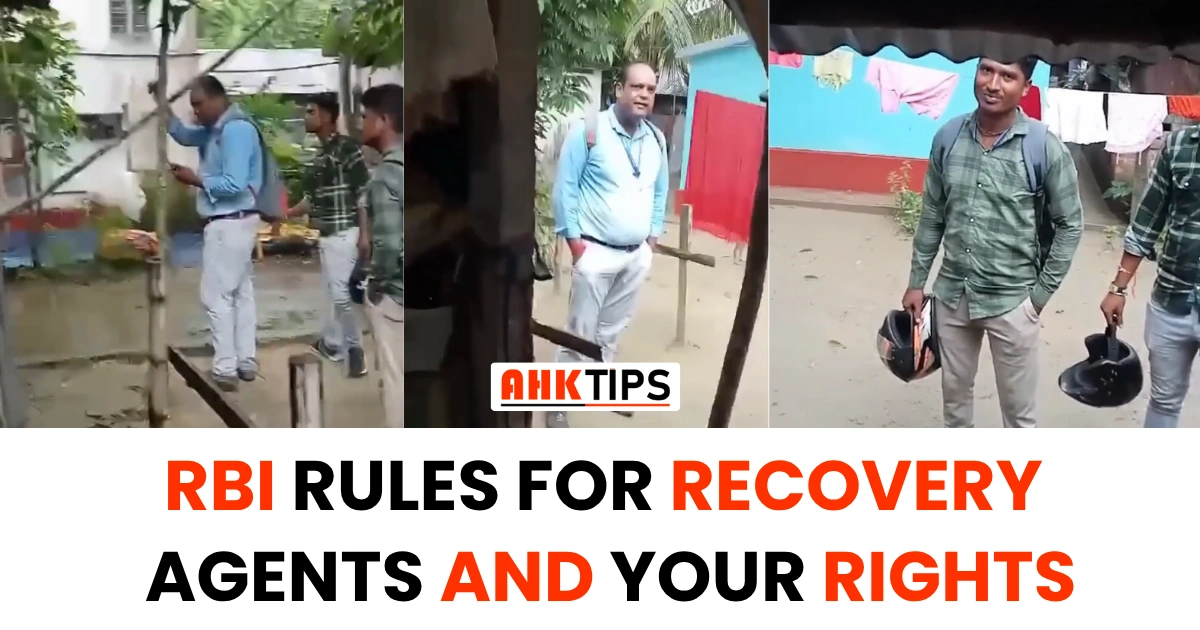
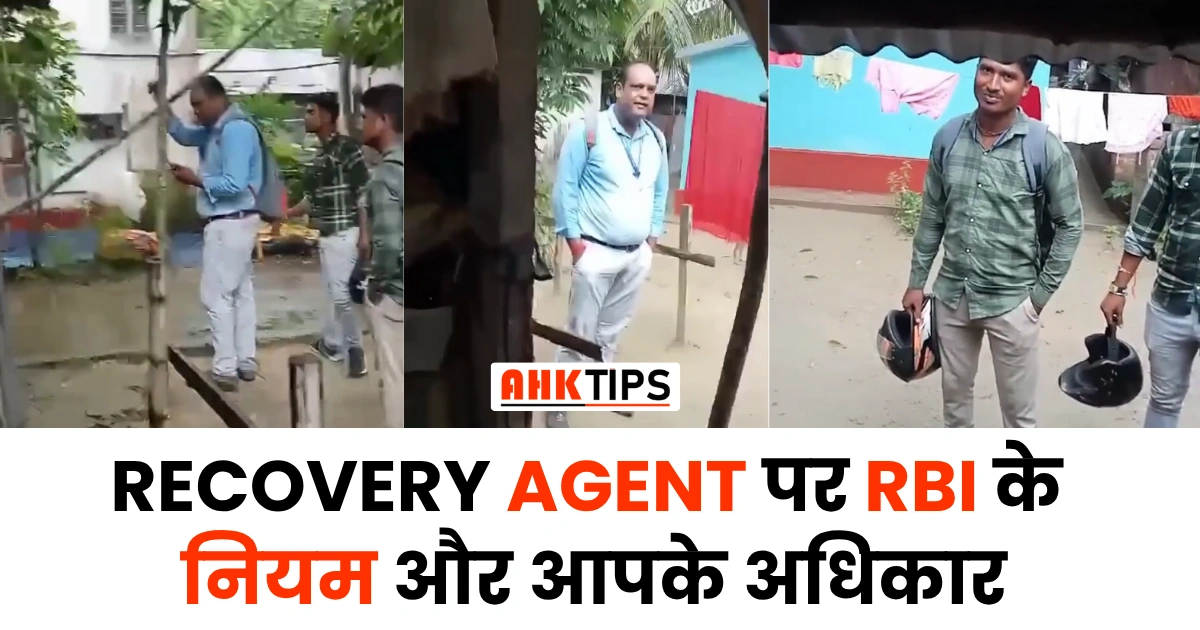
If you do not pay EMI for several months, then you start getting repeated calls, messages, or emails from the bank. After this, the bank can also send you a legal notice. In some cases, the bank can also send recovery agents to you.
5. Legal action can be taken
If your amount has become very high and you have not paid for a long time, then the bank can also take legal action against you. This can also affect your image and mental state.
Below are some effective and easy strategies that you can adopt to gradually move towards a debt-free life:
First of all, know how much loan you have taken from whom. Make a list which should include:
Keep a record of income and expenses every month. Cut down unnecessary expenses and save money separately to repay EMI or loan. Make a strict budget so that unnecessary expenses can be avoided.
Start repaying the loans on which the highest interest is being charged first. This will save interest, and the debt will end quickly. This is called the “Debt Avalanche Method”.
If you need motivation, pay off smaller loans first. This will boost your confidence, and you will be more motivated to pay off the rest of the loans.
If your income has increased a bit or you have received a bonus, try to increase the EMI. This will finish the loan quickly and also reduce the interest amount.
Use credit card very wisely. If you do not pay your credit card bill on time, the interest is very high. Try to pay the entire bill on time, do not postpone it by just paying the “minimum due”.
Start a part-time job, a freelancing career, or a small business. Whatever extra income you get from this, use it directly to repay the loan.
The most important thing to become debt-free is your mental strength. During this time you will have to make sacrifices many times – like postponing going out, reducing eating out, etc. But these small sacrifices will give you great relief.
Many people take out another loan to pay off one loan. This is only postponing the problem, not a solution. This increases the debt further. So take a decision carefully.
If your situation has become very serious, then meet a financial advisor. He can help you in making the right plan.
Loan Settlement is a process in which you negotiate with your creditor to forgive a part of the outstanding amount on your Loan by making a lump sum payment. It is an agreement that you make with your card issuer as a last resort when you see that your Loan debt is increasing.
This can happen due to many reasons, ranging from unnecessary spending to careless spending habits. When your debt increases, the interest on it also increases, which can make it difficult for you to repay the outstanding amount. If you do not see any way out of this, then you can recommend a Loan Settlement.
Below are some common reasons:
Let us know what documents are required for Loan Settlement:
1. ID Proof
2. Address Proof
3. Income Proof (if required)
4. Loan Statement
You will have to provide the Loan statement to give the correct information about your outstanding balance. The bank can also generate this statement itself, but sometimes they ask you for a copy of it.
5. Settlement Request Letter
If you are approaching the bank for settlement on your own, you will have to give a written Settlement Request Letter in which you can explain:
6. Settlement Offer Letter given by the bank
When the bank agrees to the settlement, they give you a Settlement Offer Letter. Read it carefully and confirm the amount and terms mentioned in it.
Below are some steps that should be followed before a Loan Settlement (Debt – Free):
If you are unable to pay your Loan dues and are troubled by heavy interest rates, a Loan Settlement can be a possible solution. Under this process, the bank or Loan company can waive off part of your total outstanding amount and give you the option to make a lump sum payment (One-time Settlement). However, this can affect your CIBIL score, so adopt it only as a last option.
A settlement can hurt your credit score. The impact can be seen in the following ways:
Let us know what the benefits of doing a Loan Settlement are:
Let us know in detail what the disadvantages of doing a Loan Settlement are.
Being stuck in debt is a situation that not only puts a burden on our pockets, but also has a deep impact on our mind and life. A large part of our monthly salary goes into EMIs, which neither allows us to meet our needs properly nor make any plans for the future. Apart from that, in case of an emergency, things get tougher.
However, the best thing is that becoming debt-free is not at all a tough job. Yes, it might take time, effort, and discipline, but it is possible. For this, firstly we have to know about our financial position properly and then we have to prepare a concrete plan. The strategies we have mentioned in this article – such as creating a budget, paying off high-interest loans first, beginning with the small loans, managing the expenses, and looking for ways to make extra money – all these collectively will lead you towards the direction where you can slowly get out of the debt trap.
The most important thing in this journey is patience and consistency. Many times you will feel that the debt is not going away, but if you keep on sticking to your goal without stopping and without getting tired, then a day will definitely come when you will be able to say – “Now I am completely debt-free.” And the happiness, self-satisfaction and mental peace of that day is incomparable.
Que: Is it possible to live without debt?
Ans: Yes, it is possible. For this, you have to balance your income and expenses, make a strong budget, and adopt a strategy to gradually eliminate the debt.
Que: Which debt should be repaid first?
Ans: The debt on which the highest interest is charged should be repaid first. This will save interest, and the total loan will be repaid quickly. This is called the Avalanche Method.
Que: Are all loans bad?
Ans: No, not all loans are bad. Some loans, like home loans or educationloansn can prove beneficial in the future. But it is important to repay them on time so that the debt does not become a burden.
Que: What happens if you do not pay EMI?
Ans: By not paying EMI, your CIBIL score gets spoiled, due to which it may be difficult to get a loan or credit card in future. Also, the bank can take penalty and legal action.
Que: Can I get out of credit card debt quickly?
Ans: Yes, if you pay the entire bill on time and avoid unnecessary expenses, then credit card debt can be cleared quickly. Paying the “Minimum Due” gradually increases the debt more, so pay it in full.
Previous Post


Founded in 2015, Ahk Tips is a New Delhi-based financial advisor specializing in debt relief and loan management solutions.