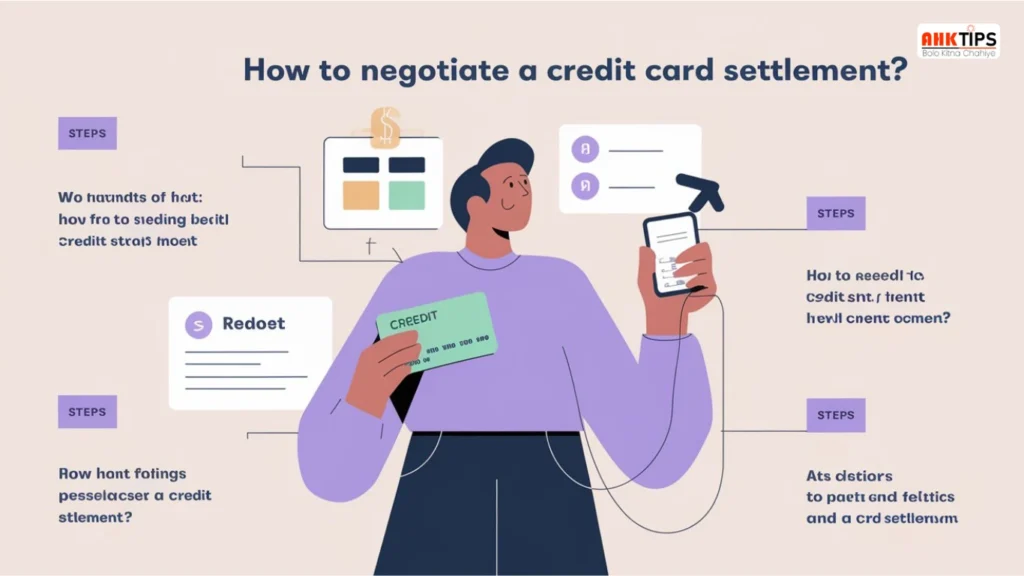

This option is available when you are finding it difficult to pay off credit card debt; negotiating a settlement with your credit card company is an option to reduce the debt amount, lift the burden from monthly financial pressures, and create a step for recovery. However, how would you negotiate such a credit card settlement and which factors would come into play?
Credit card debt settlement refers to the negotiation with your credit card issuer for a reduced lump-sum payment as less than the total amount due. This is beneficial for both the parties concerned because the issuer at least receives some portion of the money owed, and you get to be relieved of the overwhelming debt burden. For this to happen, several steps and preparation are needed, along with knowledge of how it will affect your finances and score.
It is always better for credit card companies to collect some amount of debt rather than zero. If your account is delinquent and you have missed several payments, the issuer is more likely to negotiate because they know there is a risk that you won’t repay the full amount. This way, they can settle the debt and avoid writing it off as a loss.
In return, here is a step-to-step guide showing how to perform a credit card settlement negotiation;
Before engaging your credit card company, re-evaluate the finances. Consider your monthly salary, expenses and all other credits you have given out. Familiarity with your financial status will help answer what you truly can offer that will settle this account.
Check your credit card statements to determine the total amount owed, interest rates, and any penalties applied. If the account has been sent to collections, find out if you are dealing with the original creditor or a third-party collection agency. This will enable you to structure your negotiation plan.
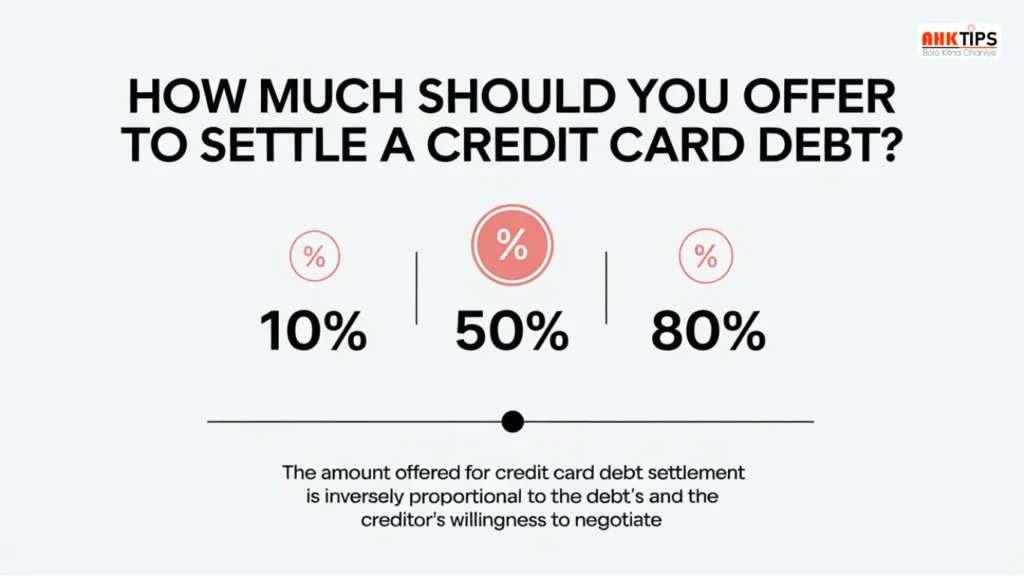
Most credit card companies will accept a settlement in the range of 20% to 50% of the balance. Start with a low settlement offer, such as 20-25%, but be prepared to increase this amount depending on negotiations. Keep in mind that the company may also counter your first offer, so having some room to negotiate will help.
Call the customer service department and ask to speak with someone in the debt settlement or collections department. Politely explain your financial hardship and express your interest in settling the debt. If you’re dealing with a collection agency, you’ll follow the same process.
Explain why you cannot pay the full amount and state any particular hardships such as loss of job, medical expense, etc, which have created your financial hardship. Showing real hardship may better your chances of a good settlement.
You will most likely have two choices when you negotiate:
Lump-Sum Payment: Tender to pay the one big lump sum less than the total sum. Creditors generally prefer that because they immediately get their money.
Instalment Settlement: If a person cannot make the lump-sum payment then, ask if the person would take it that the account could settle if you had to make regular but smaller instalments over time agreed
Write down the agreed settlement terms before making any payments. The document should indicate that your payment will be in full satisfaction of the debt and that the creditor cannot further take action against you on the debt. This will save you from future claims on the debt.
Once the settlement agreement is agreed on, pay it according to the terms. Record the transaction to have proof that the payment was made.
After settling the debt, check your credit report to see if the account status is updated to “settled” or “paid as agreed.” This may take a few weeks, but it is necessary to ensure that your credit record reflects the updated status.
The benefits of negotiating a credit card settlement include relief from the overwhelming weight of debt. You can improve the chances of arriving at a settlement agreement by approaching the process systematically, making reasonable offers, and maintaining detailed documentation. Although settling a credit card may temporarily hurt your credit score, a thoughtful settlement will return control of your finances to you as you work towards future stability.
Que: Will debt settlement affect my credit score?
Ans: Yes, settling debt usually impacts your credit score negatively as it’s marked as “settled” rather than “paid in full.”
Que: How long does a settled account remain on my credit report?
Ans: A settled account can stay on your credit report for up to seven years, potentially affecting future lending decisions.
Que: Can I negotiate a settlement if my account isn’t delinquent?
Ans: It’s challenging, as creditors are generally more willing to negotiate if the account is delinquent and they believe they might not recover the full amount.
Que: What if the creditor refuses my settlement offer?
Ans: If the creditor declines your offer, try negotiating a payment plan instead, or wait a few months and attempt negotiation again.
Que: Should I use a debt settlement company?
Ans: Debt settlement companies can negotiate on your behalf but charge fees. If you feel confident, you can attempt negotiations independently.

Founded in 2015, Ahk Tips is a New Delhi-based financial advisor specializing in debt relief and loan management solutions.