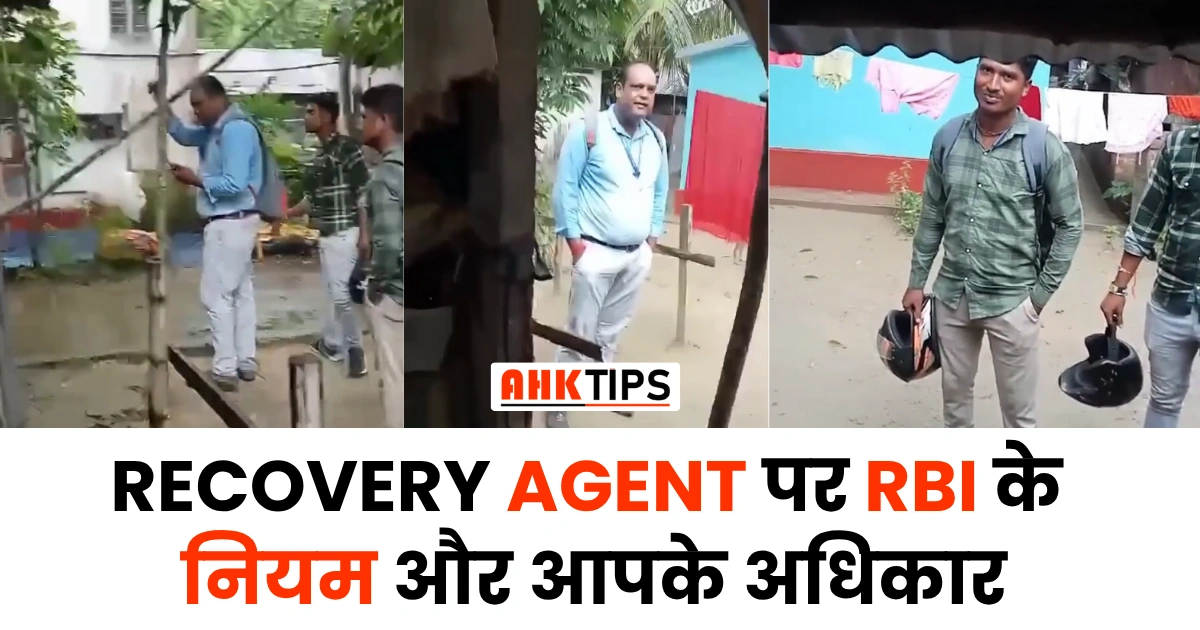

It is stressful to deal with loan recovery and credit card settlement agents (loan and credit card settlements), but with the proper attitude, it is manageable. The first thing is to remain calm and courteous when communicating with any agent. Becoming angry or frightened will not fix the issue. Always confirm the identity of the agent by checking his ID and asking your bank. This is a very crucial step to prevent fraud.
You ought to know about your rights, too. The agents must conduct themselves with respect. They won’t harass or threaten or blackmail you into making the payment. If they do so, report to the bank, police, or RBI Ombudsman. You have your absolute right to defend yourself in a legal matter.
Before settling, know all the details about your pending amount, penalty, and offer of settlement. Never accept a verbal assurance. Always ensure that everything is in writing, i.e., offers and agreements. After the payment, never forget to receive a No Dues Certificate or Settlement Letter from the bank as proof that your case is settled.
Negotiation is also a part of it. You can negotiate for a smaller settlement or extension of time to repay. Banks agree because they also want to close the case quickly. If there is a need, use the services of a financial advisor or lawyer so that you receive a good bargain.
Dealing with credit card bills and loans is very stressful. When you are unable to repay your loan or credit card outstanding amounts, the bank or lender dispatches recovery agents to meet with you. Recovery agents are hired to recover the amount you owe. At times, dealing with these recovery agents is perplexing and terrifying. You will be under pressure, nervous, and do not know what to do. But don’t panic — if you remain calm and intelligent, you can manage the situation well.
First of all, loan recovery agents are just doing their job. They must recover the money from the bank as their duty. But they must follow some rules and laws. They cannot threaten, harass, or coerce you. If they do, you can complain. Learning about your rights is the beginning of managing recovery agents smartly.
When you are called by an agent, be polite all the time. Shouting at them or being rude will not help. Listen to them attentively. Request them to provide you with all the information regarding your loan or credit card balance. You have a right to know how much you precisely owe, what the extra charges above this amount are, and the settlement offers. Always try to get everything in writing, either through emails or formal letters. Verbal assurances can then confuse.
It is also important to know if the agent is real. Sometimes cheaters impersonate recovery agents and try to cheat people. Always ask them to show their ID card, and verify with your bank if need be. Never share your details like bank passwords or OTPs with anyone who claims to be a recovery agent.
Loan Settlement is a process in which you negotiate with your creditor to forgive a part of the outstanding amount on your Loan by making a lump sum payment. It is an agreement that you make with your card issuer as a last resort when you see that your Loan debt is increasing.
This can happen due to many reasons, ranging from unnecessary spending to careless spending habits. When your debt increases, the interest on it also increases, which can make it difficult for you to repay the outstanding amount. If you do not see any way out of this, then you can recommend a Loan Settlement.
Below are some common reasons:
Below are some steps that should be followed before a Loan Settlement:
Let us know what documents are required for a Loan Settlement.
1. ID Proof
2. Address Proof
3. Income Proof (if required)
4. Loan Statement
You will have to provide the Loan statement to give the correct information about your outstanding balance. The bank can also generate this statement itself, but sometimes they ask you for a copy of it.
5. Settlement Request Letter
If you are approaching the bank for settlement on your own, you will have to give a written Settlement Request Letter in which you can explain:
6. Settlement Offer Letter given by the bank
When the bank agrees to the settlement, it gives you a Settlement Offer Letter. Read it carefully and confirm the amount and terms mentioned in it.
If you are unable to pay your Loan dues and are troubled by heavy interest rates, a Loan Settlement can be a possible solution. Under this process, the bank or Loan company can waive off part of your total outstanding amount and give you the option to make a lump sum payment (One-time Settlement). However, this can affect your CIBIL score, so adopt it only as a last option.
A settlement can hurt your credit score. The impact can be seen in the following ways:
Following is a straightforward, easy-to-follow instruction manual about how to treat Agents During Loan and Credit Card Settlements:
1. Keep Calm and Polite
In case there is a recovery agent calling you, keep your cool. Avoid panicking, arguing, and being offensive. Be courteous and professional when dealing with them. Effective communication could help make settlement smoother.
2. Verify the Agent’s Identification
Always request the ID card and the authorization letter of the agent from the bank. You can also call the customer service of the bank to inquire if the agent is legitimate. This will not allow you to be deceived.
3. Know Your Rights
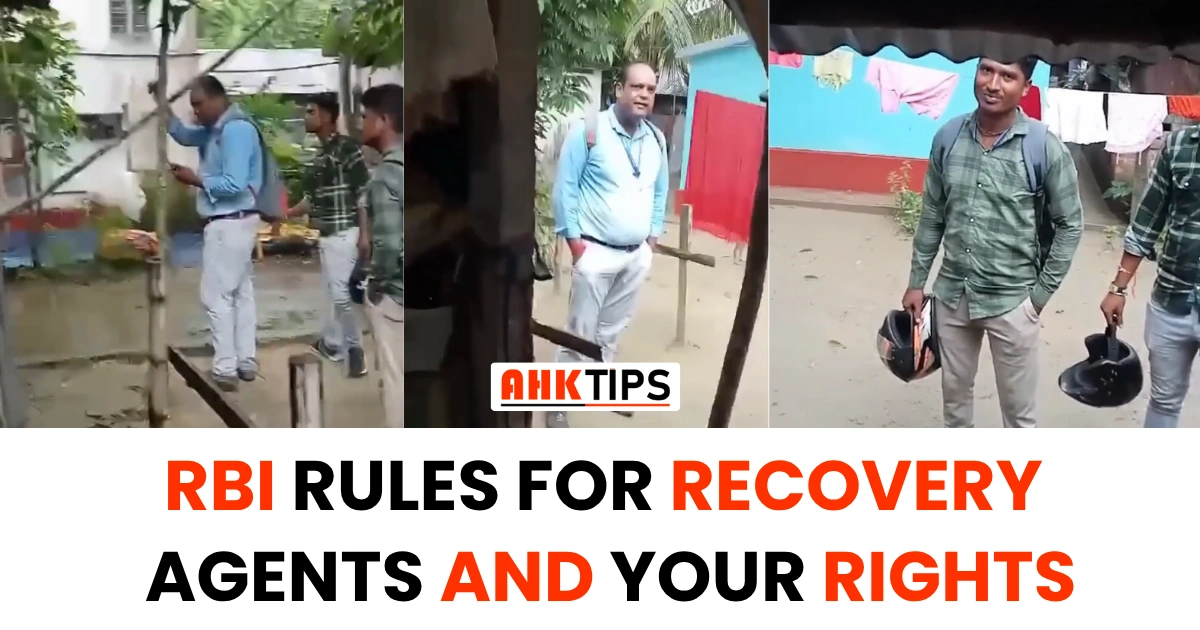
Agents are supervised by the RBI. They can’t harass, intimidate, or threaten you. They can only call you between 7 AM and 7 PM. If they violate these terms, you may approach the bank or even the police and make a complaint.
4. Know Your Outstanding Amount
As a prelude to settling negotiations, request all details:
5. Negotiate Wisely
Don’t accept the initial offer. You can ask them to reduce the settlement amount or extend the payback period. Be sincere about your financial condition. Banks and agents usually comply if you show seriousness towards repayment.
6. Request for Written Communication
Always insist that the settlement offer be in writing, by email or a formal letter. Never trust verbal assurances. On full settlement, obtain a No Dues Certificate or Settlement Letter from the bank.
1. Be Cool and Do Not Panic
Be cool in the first place. Banks or recovery agents may try to scare you to pay early. Do not panic or get angry. Being calm makes you think straight and respond wisely.
2. Know Your Rights
You must be aware of your rights as a borrower:
3. Correspond in Writing
4. Ask for a Loan Settlement Offer
Don’t sit back and let the bank ignore you:
5. Never Deal with Enigmatic Recovery Agents
If someone calls or visits you claiming to work for the bank:
6. File a Complaint if Harassment Continues
If the harassment does not stop:
Let us know what the benefits of doing a loan and credit card settlements:
Let us know in detail what the disadvantages of doing a Loan Settlement (loan and credit card settlements) are.
Dealing with credit card settlement or loan recovery agents can be scary(loan and credit card settlements), but adopting the right attitude, you can do it wisely and peacefully. The most important thing is to stay calm and polite while handling the situation. Whatever the urgency of the moment is, it will not be helped by losing temper or becoming frightened. Rather, a courteous and firm attitude will make the interaction with agents much easier.
Always verify the identity of the agent first before sharing any information. There are so many scammers these days who take advantage of people’s financial problems. Confirm the agent’s information with your bank and never disclose sensitive details such as OTPs or passwords. Safety from fraud should always be your top priority.
Knowing what rights you have is also a very strong weapon. RBI regulations state that the recovery agents should behave professionally. They should not abuse, threaten, or harass you. If they threaten, abuse, or harass you, you can certainly approach the bank, police, or the RBI Ombudsman. You are entitled to be treated respectfully even when you owe money.
Que: Is it possible to take a new loan after loan settlement?
Ans: Yes, but it can be difficult. Banks and financial institutions approve loans only after looking at your credit history, and the entry of a settlement reduces the chances of getting a new loan.
Que: Is there any difference between loan settlement and loan repayment?
Ans: Yes, loan repayment is where you pay the full outstanding amount, while in a loan settlement, the bank settles the loan account by accepting a smaller amount, which can damage your credit score.
Que: Are banks always prepared for loan settlements?
Ans: No, banks provide the facility of settlement (loan and credit card settlements) only when they are convinced that the borrower has no other option left to repay the loan. It relies on the bank’s policy and the financial status of the borrower.
Que: Is any legal action possible after a loan settlement?
Ans: If all the conditions and terms of settlement are completed and the NOC (No Objection Certificate) is received from the bank, then there will be no legal action. But if the settlement is incomplete, legal action can be taken by the bank.
Que: Is it possible for the bank to refuse the loan settlement request?
Ans: Yes, the request for settlement (loan and credit card settlements) can be declined based on the bank’s policy and your financial position. So, the right approach should be followed before approaching the bank.

Founded in 2015, Ahk Tips is a New Delhi-based financial advisor specializing in debt relief and loan management solutions.